
You may think a good baler runs forever. It does not. Poor maintenance can accelerate component wear and increase the risk of unexpected downtime. You can avoid this problem.
A horizontal baler should be inspected before each shift, with additional maintenance performed daily, weekly, monthly, and annually according to the manufacturer's recommendations. Daily checks should focus on hydraulic oil levels, visible leaks, safety devices, and abnormal operating conditions. Weekly and monthly inspections should cover hoses, lubrication points, hydraulic components, and tying mechanisms. Annual service should include a qualified inspection of major components, while hydraulic oil, filters, and seals should be replaced according to the manufacturer's schedule, operating hours, and component condition.
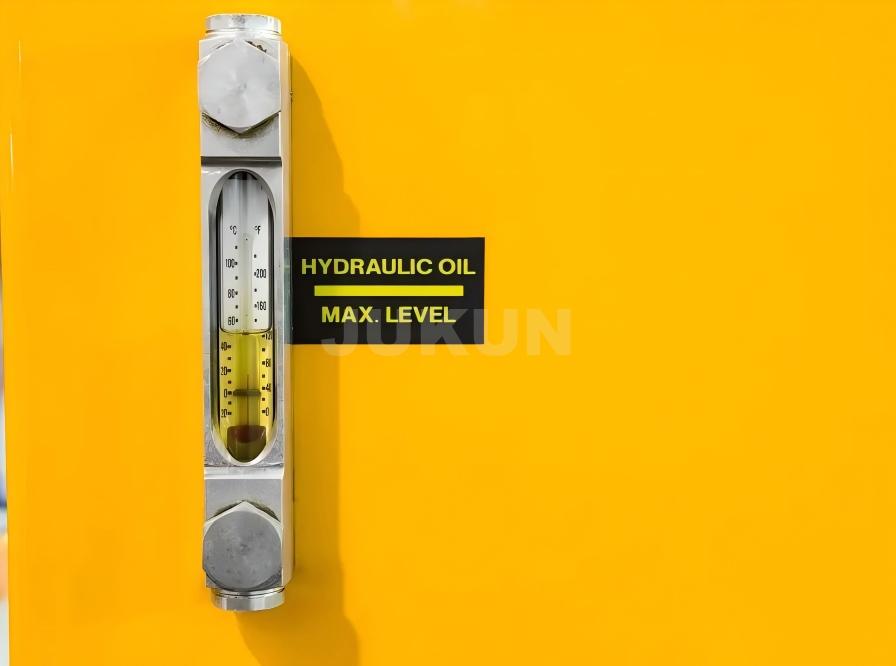
A horizontal hydraulic baler works under high pressure. Dust and moisture build up. Small problems become big breakdowns. A simple schedule protects your investment. This guide shows what to check and when.
Technical review: This guide is reviewed by Jukun Machinery's engineering team based on our production and after-sales experience with horizontal hydraulic balers.
Get a maintenance plan for your baler
Horizontal Baler Maintenance Schedule at a Glance
You may want a quick answer. Here is the full picture. Use this table as your starting point.
The maintenance schedule has five levels: before each shift, daily, weekly, monthly, and annually. Each level has different tasks. The actual frequency may need to be shorter under heavy use, dusty conditions, or high heat. Always follow your machine manual as the final reference.

| Frequency | Main Tasks |
|---|---|
| Before Each Shift | Check oil level, leaks, guards, and emergency stops |
| Daily | Clean external areas and record noise or temperature changes |
| Weekly | Inspect hoses, fittings, fasteners, and lubrication points |
| Monthly | Review hydraulic performance, filters, and electrical condition |
| Annually | Arrange a qualified inspection of major components |
This table is a general reference. Your machine manual is the final authority. A dusty plant needs more frequent checks. A clean plant may need fewer. Record your actual intervals and adjust them based on real conditions.
What Daily Maintenance Does a Horizontal Baler Need?
You may skip the morning check. It saves five minutes. But a small leak can become a big failure. Poor maintenance can accelerate component wear and increase the risk of unexpected downtime.
Daily maintenance includes checking the hydraulic oil level, looking for leaks, testing safety devices, and cleaning material buildup from safely accessible external areas. During operation, watch for unusual noise, vibration, and slow compression. After work, clean the machine and record any problems.
The daily check is simple. Before you start, check the oil level. Look at the hoses and fittings from outside. Test the emergency stop. Make sure the guards are in place.
Remove loose material only from safely accessible external areas. Never reach into the compression chamber while the machine is energized. Before clearing material from inside the chamber, follow the manufacturer's lockout/tagout procedure, release stored hydraulic energy, and secure all moving components.
During operation, listen to the machine. A healthy machine has a steady sound. Strange noises are warning signs. Watch the ram movement. If it slows down, stop and check. Check the oil temperature. High heat damages oil and seals.
After work, clean the area. Remove dust and material residue from external surfaces. Check for new leaks. Write down any issues in a log. A daily log helps you spot patterns. It helps you plan repairs before a breakdown.
| Daily Check | What to Look For | Why It Matters |
|---|---|---|
| Oil level | Between min and max marks | Low oil causes heat and wear |
| Leaks | Oil on hoses or floor | Small leaks become big failures |
| Safety devices | Emergency stop works | Protects the operator |
| Noise and vibration | Unusual sounds or shaking | Shows early mechanical problems |
You do not need special tools for the daily check. You need discipline. Five minutes in the morning saves hours of downtime later. For safety procedures and external-only inspection points, ask us.
What Weekly and Monthly Maintenance Tasks Matter Most?
You may think weekly checks are optional. They are not. Weekly tasks catch problems that daily checks miss. Monthly tasks catch deeper wear.
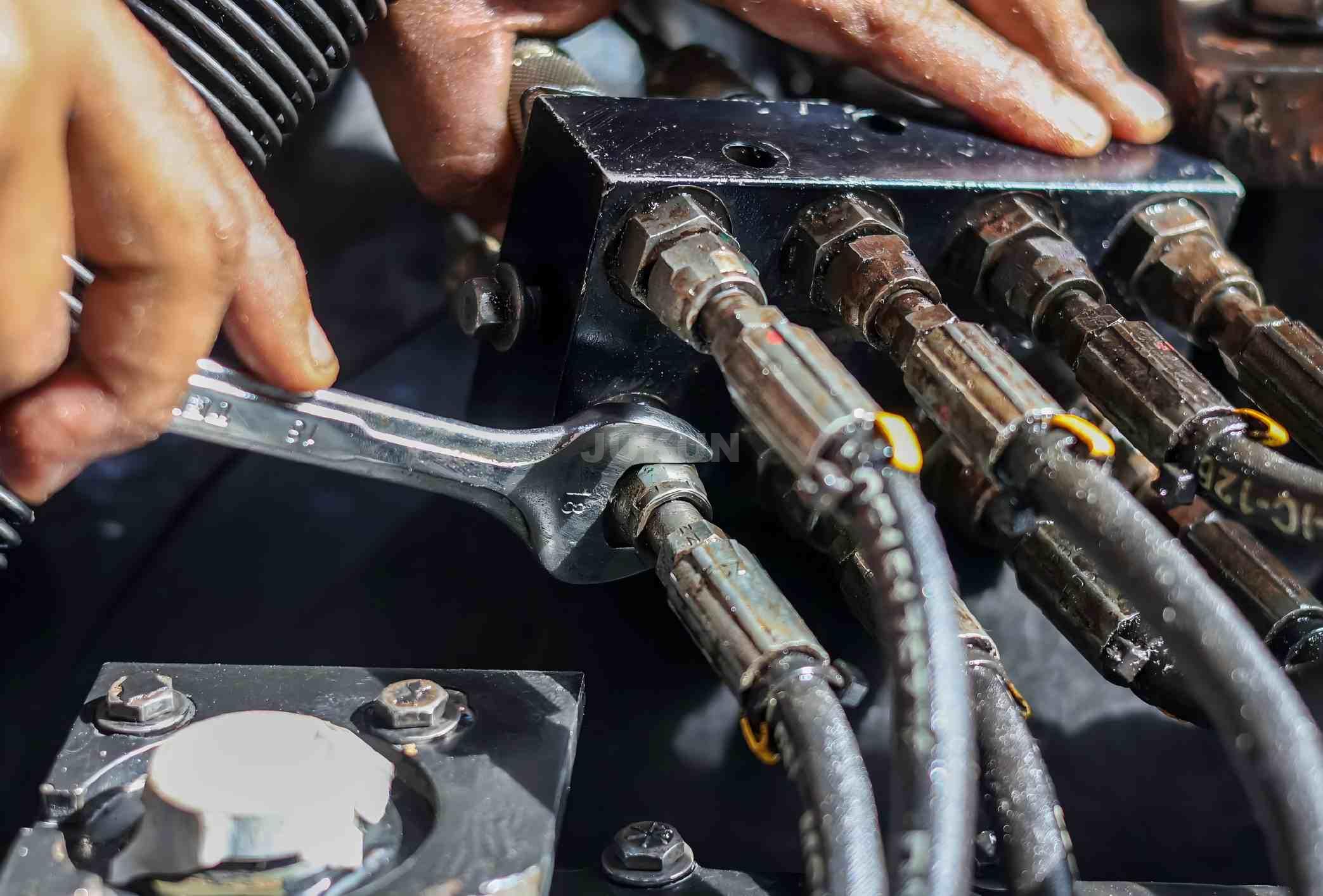
Weekly maintenance includes inspecting hoses, fittings, fasteners, lubrication points, and the feeding system. Monthly maintenance includes checking the hydraulic system, electrical connections, and automatic tying components. All electrical checks must be performed by qualified personnel after the power is isolated.
Weekly checks focus on movement and friction. Look at every hose from the outside. Look for cracks or bulges. Check the fittings for leaks. Check the cylinder mounting bolts. Check the conveyor belt and rollers. Apply grease to the points listed in your manual. Do not touch pressurized hoses or use your hands to search for a hydraulic leak.
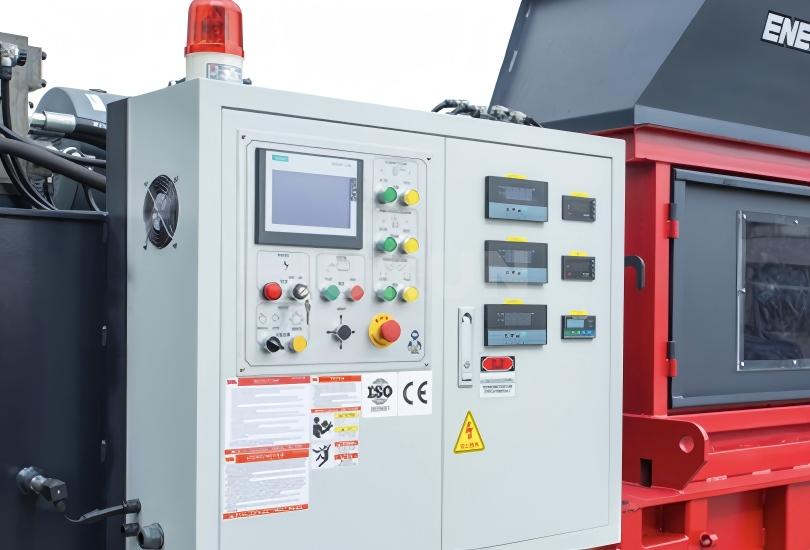
Monthly checks go deeper. Electrical maintenance should be performed by qualified personnel. Isolate the power supply before opening the electrical cabinet. Inspect wiring, terminals, sensors, and visible signs of overheating according to the manufacturer's instructions. Operators should only perform the external checks and safety tests specified in their training.
A practical maintenance plan should prioritize moving components, hydraulic connections, electrical systems, and safety devices. Inspection frequency must follow the manufacturer's recommendations and the actual operating conditions.
| Weekly Task | What to Check | Monthly Task |
|---|---|---|
| Hoses and fittings | Cracks, leaks, loose clamps | Full hydraulic system check |
| Fasteners | Loose bolts on cylinder and frame | Electrical cabinet inspection |
| Lubrication | Grease points per manual | Sensor and control test |
| Feeding system | Belt tension and alignment | Tying system performance |
A maintenance log is your best tool. Write down the date, the task, and what you found. This log helps you plan parts and service. It also helps when you sell the machine.
Ask for a horizontal baler maintenance checklist
What Annual Maintenance Does a Horizontal Baler Need?
You may focus on daily tasks. Annual maintenance still matters. A qualified technician must check the whole system. The exact interval depends on the machine model, operating hours, and environment.
Annual maintenance includes a detailed inspection of the hydraulic pump, cylinders, valves, seals, hoses, structural components, electrical controls, and safety interlocks. Check the ram guides, chamber, conveyor, and tying mechanism for wear. Replace oil and filters only when the schedule or oil analysis requires it.
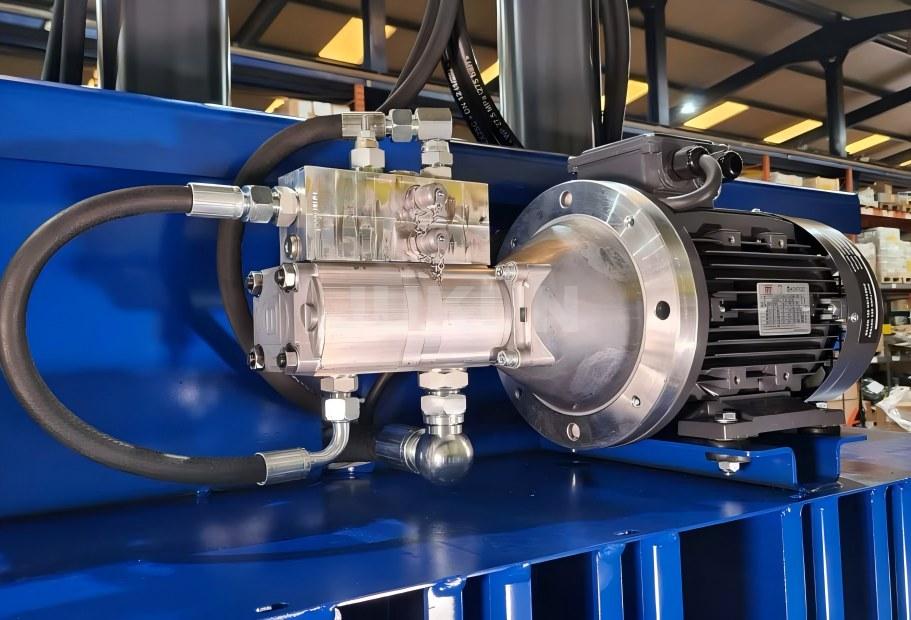
A qualified technician should inspect the hydraulic pump, cylinders, valves, seals, hoses, structural components, electrical controls, and safety interlocks. Check the hydraulic oil condition and replace oil and filters when required by the maintenance schedule or oil analysis.
Inspect the ram guides, compression chamber, conveyor, and tying mechanism for wear. Check critical fasteners and structural connections according to the manufacturer's specifications.
Keep a record of replaced parts, oil tests, repairs, and inspection results. This helps you identify recurring problems and plan preventive maintenance before major downtime occurs.
Annual maintenance does not mean every oil, filter, or seal must automatically be replaced once a year. Follow the service requirements for your specific machine.
How Does Jukun Recommend Maintaining a Horizontal Baler?
Our engineering team builds maintenance plans around the real machine structure. Each model has different hydraulic layouts, tying systems, and feeding designs. So the check list must match the model.
For fully automatic horizontal balers, we focus extra attention on the conveyor, sensors, and automatic tying head. For semi-automatic models, we focus on manual tying paths and feeding control. For machines processing dusty material, we shorten the filter and cleaning interval.
We also adjust the schedule by workload. A single-shift plant checks differently from a plant running three shifts. Share your working hours and material type with our team, and we can suggest a starting schedule for your machine.
What Are the Most Common Horizontal Baler Problems?
You may face a machine that stops working. Many problems have simple causes. You can fix some yourself. Others need a technician.
Common problems include low pressure, slow ram movement, oil leaks, high oil temperature, tying failures, and unexpected shutdowns. Each problem has specific causes. Check the oil level, filters, hoses, and safety devices first. Call a technician for hydraulic or electrical faults.
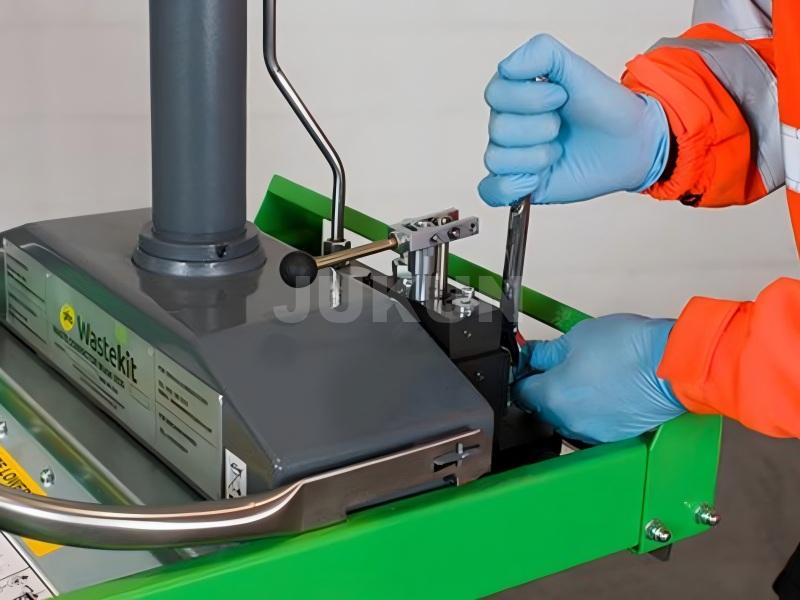
Always stop the machine before you check a problem. Stopping the motor is not enough. Before maintenance or jam clearing, isolate and lock out the electrical supply. Confirm that accumulators and other stored-energy components are safely released according to the manufacturer's procedure. Secure moving components before you enter the chamber. Never use your hands to search for a high-pressure hydraulic oil leak. Only trained personnel should work on pressurized hydraulic systems. Do not bypass safety interlocks.
| Problem | Possible Cause | Recommended Action |
|---|---|---|
| Low pressure | Oil level, pump, or valve | Check oil level; technician tests pressure |
| Slow ram | Filter restriction, oil, or pump flow | Check filter indicator and oil; test flow |
| Oil leakage | Damaged hose or worn seals | Isolate machine; replace damaged parts |
| High temperature | Cooling issue or long duty cycle | Check cooling system and work cycle |
| Tying failure | Wire path, wire quality, or sensor | Check wire feed per model manual |
| Unexpected stop | Safety interlock, alarm, or power | Check alarm codes and safety devices |
Do not treat a filter change as the fix for every slow-ram problem. Slow movement can also come from the pump, valves, oil viscosity, or system settings. Identify the real cause before you replace parts.
What Should You Check Before Calling a Technician?
You can save time and money by doing a few simple checks first. Check the hydraulic oil level. Check for visible leaks. Check the filter indicator. Check the alarm code on the control panel. Check the wire supply on automatic tying models.
Write down the machine model, the operating hours, the alarm code, and what the machine was doing when the problem started. This information helps the technician find the fault faster. A clear record also helps the factory send the right spare part on the first request.
Get technical support for your horizontal baler
How Often Should You Change Hydraulic Oil and Filters?
You may think oil lasts forever. It does not. Dirty oil destroys pumps and valves. Change oil on a schedule. Test the oil too.
Change hydraulic oil based on the manufacturer's interval, operating hours, and oil condition. Change filters when the indicator shows restriction, or at the recommended interval. Use the correct oil grade and filter rating. Do not guess.
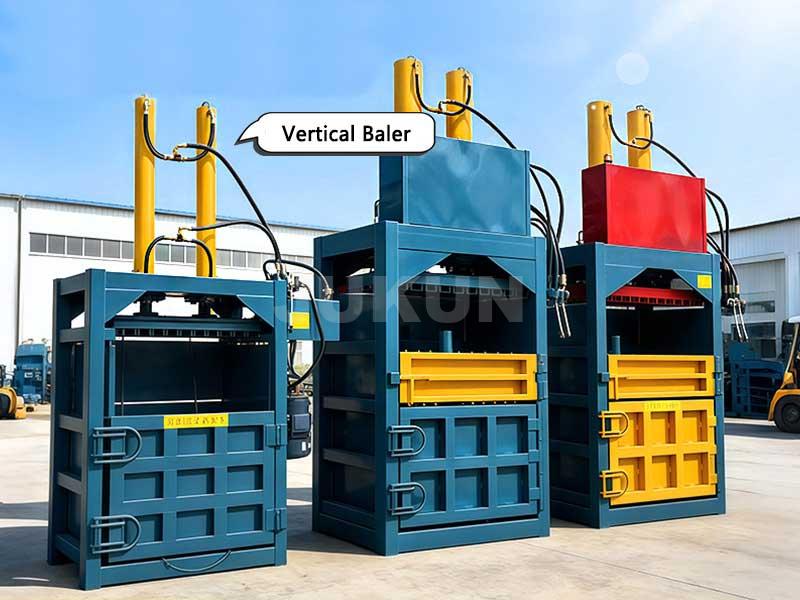
There is no single oil change interval for every machine. The manual gives the starting point. Your working conditions change the answer. A dusty plant needs more frequent changes. A clean plant can wait longer.
Check the oil color. Dark or milky oil is a warning sign. Check the smell. A burnt smell means overheating. But color alone is not proof. Use an oil test when in doubt.
A hydraulic oil analysis can measure indicators such as water content, particle contamination, and viscosity. Depending on the test package, it may also identify signs of oxidation and abnormal wear particles. Use the results together with the manufacturer's maintenance recommendations to decide whether the oil needs replacement.
Filters protect the system. Change them on schedule. If the filter indicator shows a restriction, change it immediately. Do not clean and reuse a filter unless the manual says it is safe.
| Oil and Filter Check | What to Do | Why It Matters |
|---|---|---|
| Oil color | Dark or milky means check | Shows contamination or water |
| Oil smell | Burnt smell means check | Shows overheating |
| Oil analysis | Use lab test when unsure | Gives exact oil condition |
| Filter indicator | Change when restricted | Protects pump and valves |
Use the correct oil. The wrong viscosity causes heat and wear. Do not mix different oil types without checking compatibility. Keep the oil clean when you add it.
Ask about hydraulic oil and filter specifications
How Can Regular Maintenance Reduce Horizontal Baler Operating Costs?
You may see maintenance as a cost. It is an investment. Regular maintenance prevents big failures. Big failures cost more than routine checks.
Regular maintenance reduces operating costs by preventing unexpected downtime, extending component life, and keeping the machine efficient. A breakdown interrupts processing, delays shipments, and raises repair costs. Preventive checks find problems before they grow.
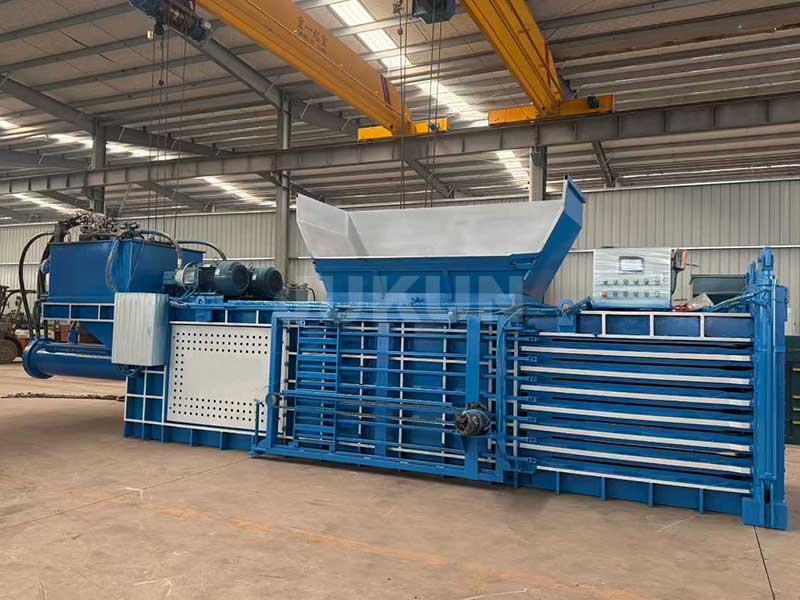
An unexpected breakdown may interrupt material processing. It may delay bale shipments. It may increase repair costs. Checking hydraulic oil, filters, hoses, seals, electrical controls, and tying components helps you find potential problems earlier.
You can estimate your annual maintenance cost with a simple list. Add hydraulic oil and filter costs. Add spare parts costs. Add routine maintenance labor. Add professional inspection costs. Add repair and downtime costs. Use your own invoices and quotes. Do not rely on a general percentage.
| Cost Factor | Poor Maintenance | Preventive Maintenance |
|---|---|---|
| Machine downtime | Unexpected shutdowns | Better planning |
| Hydraulic parts | Higher risk of wear | Earlier detection |
| Spare parts | Emergency replacement | Planned replacement |
| Production | Unplanned stops | More predictable |
When comparing horizontal balers, do not focus only on the purchase price. Ask the manufacturer for a maintenance schedule. Ask for a recommended spare parts list. Ask for hydraulic component specifications. Ask for warranty terms and after-sales support arrangements.
A machine with clear maintenance instructions and accessible spare parts is easier to manage over its operating life. This saves you money in the long run.
Printable Horizontal Baler Maintenance Checklist
You may forget a step. A checklist helps. Use this checklist as a daily operator reference. Follow your machine manual and workplace safety procedures.
Use this checklist before, during, and after each shift. Mark each item as pass or needs attention. Record all problems in the maintenance log. Stop the machine if any safety device fails or if an abnormal condition creates a risk.
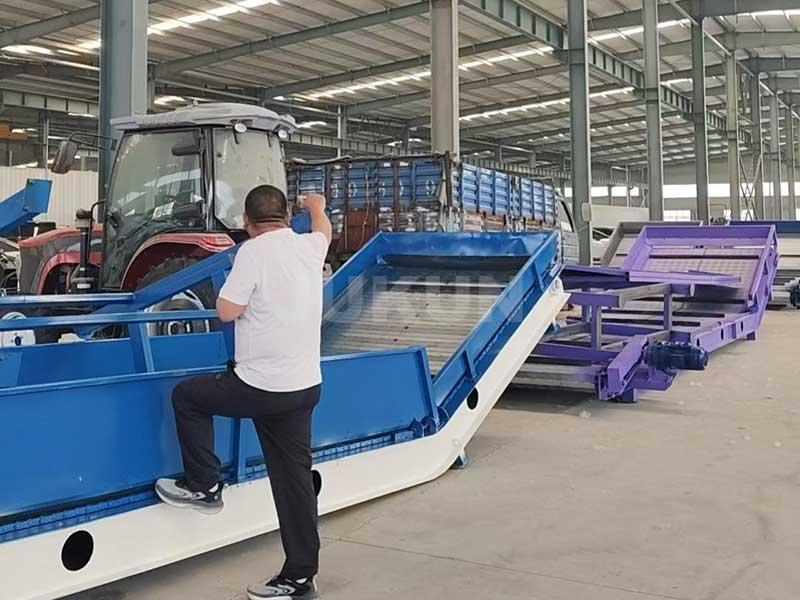
| Inspection Item | Check Result |
|---|---|
| Hydraulic oil level | Pass / Needs Attention |
| Visible oil leaks | Pass / Needs Attention |
| Hoses and fittings (external) | Pass / Needs Attention |
| Guards and emergency stop | Pass / Needs Attention |
| Abnormal noise or vibration | Pass / Needs Attention |
| Ram movement | Pass / Needs Attention |
| Oil temperature | Pass / Needs Attention |
| External material buildup | Cleaned / Needs Attention |
| Problems recorded in log | Yes / No |
Operator: __
Machine Model: __
Date: __
Shift: __
If any safety device fails or an abnormal condition creates a risk, stop the machine and report the problem. Do not continue operating until the issue has been assessed.
Request a printable baler maintenance checklist
Frequently Asked Questions
How Often Should I Lubricate a Horizontal Baler?
Lubrication frequency depends on the machine design, operating hours, and working environment. Check the lubrication points and intervals specified in your manufacturer's manual. Inspect lubrication points regularly, and adjust the maintenance schedule according to actual operating conditions.
What Causes a Horizontal Baler to Lose Hydraulic Pressure?
Low pressure can come from low oil, a worn pump, a bad valve, or internal leakage. Check the oil level first. Look for leaks. If the oil is fine, a technician should test the hydraulic circuit. Do not adjust the pressure valve without training.
How Do I Know When Hydraulic Oil Needs Changing?
Check the oil color, smell, and analysis results. Dark or milky oil is a warning sign. A burnt smell means overheating. But color alone is not proof. Use an oil analysis when in doubt. The manual gives the recommended interval.
How Can I Prevent Hydraulic Oil Overheating?
Check the oil level and cooler. Keep the cooler clean. Do not run the machine beyond its duty cycle. Give it time to cool. Use the correct oil viscosity. If the temperature stays high, stop the machine and call a technician.
Does an Automatic Horizontal Baler Need More Maintenance Than a Semi-Automatic Model?
An automatic baler has more components. It has conveyors, sensors, and automatic tying. These parts need extra checks. The daily and weekly tasks are similar. The automatic system adds more inspection points. Follow the manual for your specific model. For a full comparison, read our guide on fully automatic vs. semi-automatic horizontal balers.
Conclusion
Maintain your horizontal baler daily, weekly, monthly, and annually. Check oil, filters, hoses, and safety devices. Keep a log. Fix small problems early. For a full machine overview, read our guide on what is a horizontal hydraulic baler and how does it work.
Jukun Machinery manufactures horizontal hydraulic balers and provides clear maintenance instructions and spare parts support. Share your material type and daily volume with our team for a suitable machine recommendation.
Contact Jukun for a horizontal baler with reliable after-sales support.