
You may buy the wrong baler if you only look at the price. Many buyers make this mistake. The machine cannot handle their material. They lose time and money.
A horizontal baler can compress cardboard, OCC, waste paper, PET bottles, HDPE containers, plastic film, aluminum cans, and some textiles. But not every model handles every material. You must check the machine design and test your actual material first.
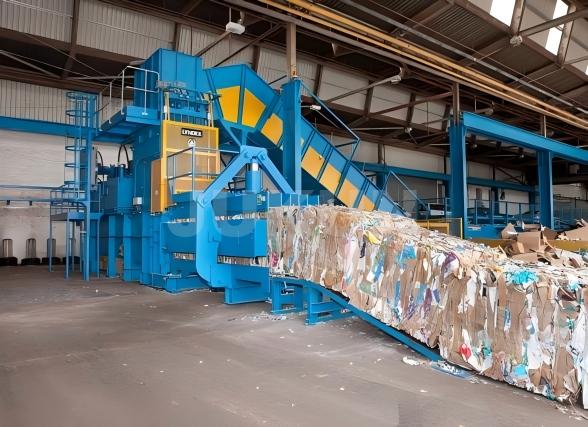 Important: Material compatibility depends not only on the material name, but also on its size, shape, moisture, density, and condition. The machine's chamber, ram force, feeding system, and tying method must match the application. Always confirm the manufacturer's approved material range and test your actual material before purchase.
This guide explains the common materials, the risks, and the checks I use before I quote a horizontal baler.
Get a horizontal baler solution from our factory
Can a Horizontal Baler Compress Cardboard, OCC, and Waste Paper?
Cardboard piles up fast. It takes space. It slows loading. You need a machine that feeds well and makes dense bales.
Yes. A horizontal baler can compress cardboard, OCC, and waste paper. Use a suitable feeding opening, chamber size, and tying system. Test bale weight and dimensions for your transport needs.
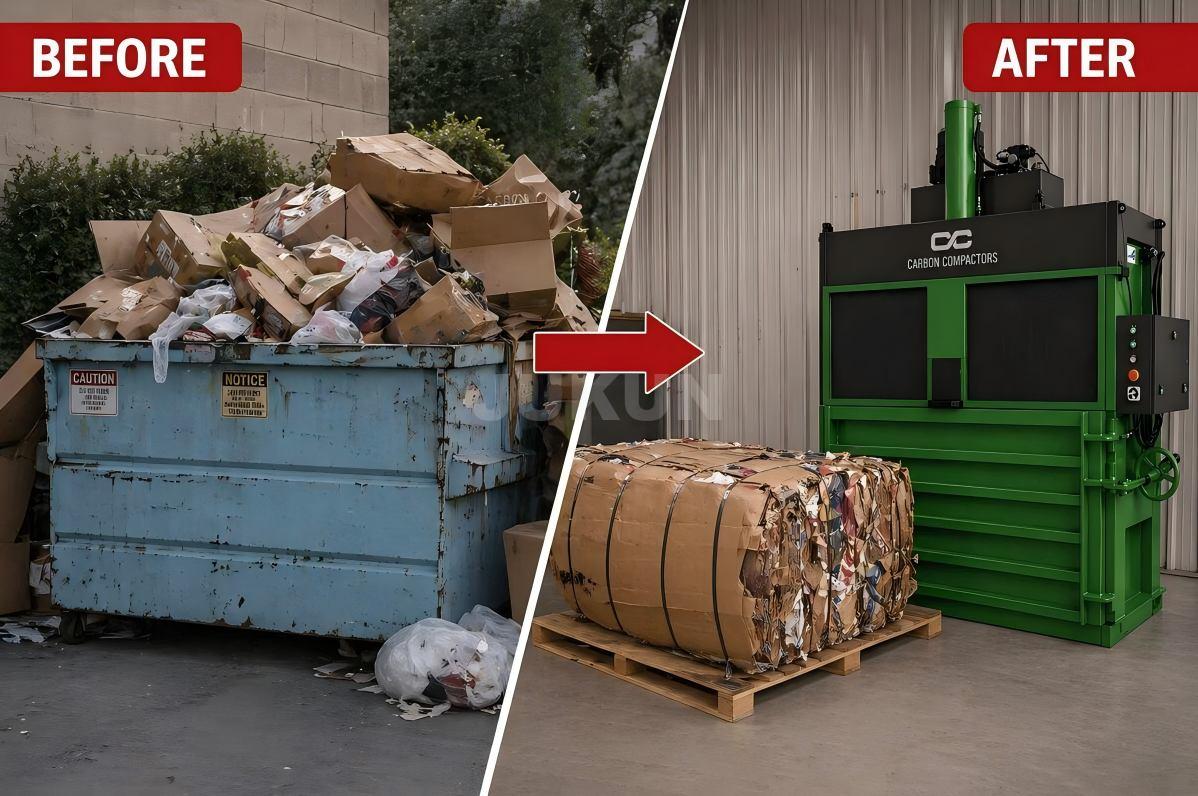 Paper is common. But paper is not all the same. OCC is old corrugated cardboard. Waste paper includes office paper, newspapers, and mixed paper. Each one feeds differently. Each one compresses differently.
What Should You Check for Paper Materials?
In practical baler selection, motor power is only one factor. Feeding capacity, material density, bale weight, and tying method also affect actual performance. These details decide your daily output.
Loose shredded paper is light. It can blow around. Flattened OCC is bulky. It needs a strong ram. Bundled paper feeds differently from loose paper. You must tell the supplier exactly what you process.
Moisture matters too. Wet paper can spoil. It can also affect bale weight. Contamination matters. Plastic tape and mixed waste can lower bale value. Check your material before you choose a baler.
| Material | Test Data to Record | Why It Matters |
|---|---|---|
| OCC cardboard | Bale weight and dimensions | Helps estimate storage and transport |
| Loose waste paper | Bale density and stability | Shows whether the bale holds its shape |
| Shredded paper | Feeding rate and dust control | Helps evaluate feeding performance |
For small paper volume, a manual or semi-automatic horizontal baler may work. For large volume, a conveyor-fed model may reduce labor. The final choice depends on your daily tons and bale target. Ask about a cardboard or paper baler
Can a Horizontal Baler Compress PET Bottles, HDPE, and Plastic Film?
PET bottles trap air. Film wraps around parts. HDPE containers vary in shape. These problems slow your line and weaken bales.
Yes. Many horizontal balers can process PET bottles, HDPE containers, and plastic film. But each plastic needs the right feeding, compression, hold time, and tying setup. Test your actual material first.
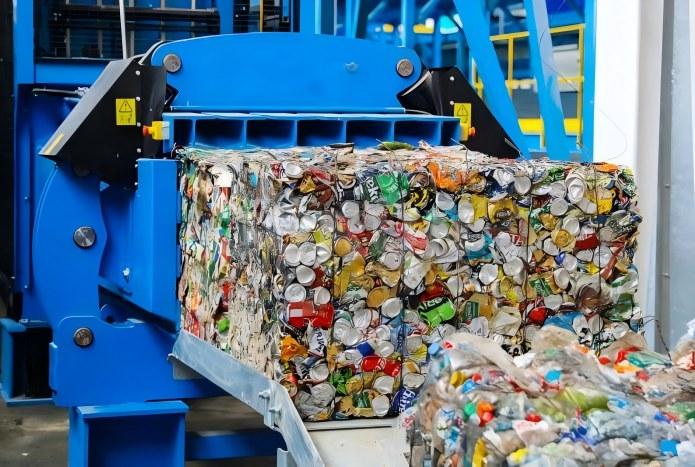 Plastic is not one material. PET bottles are rigid. HDPE containers are thick. Plastic film is thin and flexible. A machine that works for cardboard may not work well for film. You must check each material.
What Is the Main Risk with Plastic Baling?
Air is a big problem. Whole PET bottles hold air. The ram compresses the bottle. Then the bottle pushes back. The bale can expand after discharge. The bale may become loose. It may fail during transport.
A PET bottle perforator can help release trapped air and improve bale stability. However, a separate perforator is not required for every application. The need depends on bottle condition, machine design, compression performance, and the required bale density. Compare test results with perforated and unperforated bottles before deciding whether to add this equipment.
Plastic film has another problem. It is light. It can wrap around the ram. It can bridge inside the chamber. The feeding opening, compression chamber, and tying system should all be matched to the material's size, shape, and expansion characteristics.
Before baling plastic film, identify whether it is loose, bundled, or supplied in rolls. Loose film and film rolls can behave very differently during compression. Some baler models are not designed to process tightly wound rolls because the material may create excessive spring-back forces. Never feed film rolls into a machine unless the manufacturer has confirmed that the model is suitable for this application.
HDPE containers also vary. Large jerrycans hold air. Thick walls need more force. You should send samples to the factory. Ask for a test video. Ask for bale weight and cycle time.
| Plastic Type | Main Challenge | What to Confirm |
|---|---|---|
| PET bottles | Trapped air and spring-back | Perforation, bale stability, and bale weight |
| HDPE containers | Different shapes and wall thicknesses | Feeding opening and compression performance |
| Plastic film | Wrapping and bridging | Feeding design and chamber configuration |
Before placing an order, ask whether the manufacturer can test your actual material. Request a video showing the feeding, compression, tying, and discharge process, together with the finished bale weight and dimensions. If a sample test is unavailable, ask the supplier to explain the basis of its material compatibility recommendation. Request a PET or plastic film baler test
Can a Horizontal Baler Compress Aluminum Cans and Textiles?
Aluminum cans are light. Textiles are bulky. Mixed waste is messy. You must not assume one baler handles all of them safely.
Some horizontal balers can compress aluminum cans and certain textiles. Aluminum cans need a can-compatible configuration. Heavy metal scrap needs a dedicated metal baler. Textiles need a suitable chamber and feeding design.
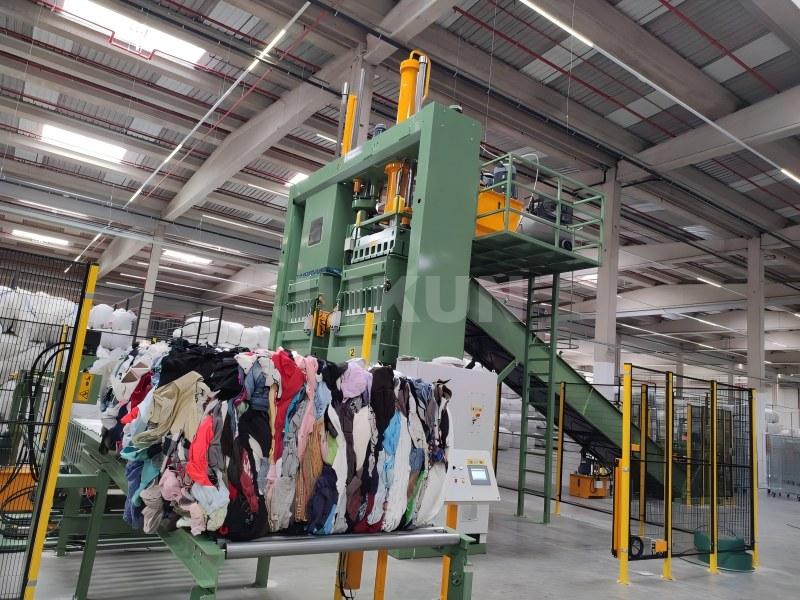 Other materials bring other risks. Aluminum cans are easy to crush. But they can contain liquid. They can be dirty. Textiles can wrap around parts. They can feed in uneven lumps. You must check the machine design.
Which Materials Need a Different Baler?
Aluminum cans and heavy metal scrap should not be treated as the same application. Some horizontal balers are designed for aluminum cans and selected light metal materials. Heavy or dense metal scrap requires a dedicated metal baler with a suitable frame, chamber, hydraulic system, and compression design. Always confirm the machine's approved material range before processing metal.
Aluminum cans can spring back if the bale is not tied well. Check the bale density. Check the tying strength. Check the feeding method. Ask for a test with your cans.
Textile waste varies in length, thickness, and shape. Loose fabric scraps, used clothing, and long fabric strips may behave differently during feeding and compression. Long strips can wrap around moving parts, while bulky clothing may feed unevenly. Check the feeding opening, chamber size, and tying method through an actual material test.
Paper cores and woven bags may also be suitable for selected horizontal balers. However, their size, length, material strength, and feeding behavior can differ significantly from OCC. Confirm the chamber dimensions and feeding arrangement with the manufacturer before processing these materials.
| Material | Possible Configuration | Important Check |
|---|---|---|
| Aluminum cans | Can-compatible horizontal baler | Bale density and tying strength |
| Textiles | Textile-compatible baler | Feeding and material wrapping |
| Heavy metal scrap | Dedicated metal baler | Machine structure and approved application |
Do not use a paper baler for metal scrap. That is a safety risk. It can damage the machine. It can hurt the operator. Discuss aluminum can or textile baling
Which Horizontal Baler Fits Your Material?
This is the question you must answer before you pay. Use this quick table to find your starting point. Then confirm the details with the factory.
Match the machine type to the material. Cardboard and OCC need a horizontal cardboard baler. PET needs a PET bottle baler. HDPE and film need a compatible plastic baler. Aluminum cans need a can-compatible baler. Heavy scrap needs a dedicated metal baler.

| Material | Possible Machine Type | Main Selection Factor |
|---|---|---|
| Cardboard / OCC | Horizontal cardboard baler | Bale density and throughput |
| Waste paper | Horizontal paper baler | Material density and feeding |
| PET bottles | PET bottle baler | Bottle condition and bale stability |
| HDPE containers | Compatible plastic baler | Container shape and wall thickness |
| Plastic film | Film-compatible horizontal baler | Feeding and anti-wrapping design |
| Aluminum cans | Can-compatible baler | Compression and tying strength |
| Textiles | Textile-compatible baler | Feeding and chamber design |
| Heavy metal scrap | Dedicated metal baler | Heavy-duty structural design |
These are possible machine types, not a promise. Automation level alone does not decide material compatibility. You must confirm the chamber, ram force, feeding system, and tying method with the factory. You must test your material before you buy.
How to Choose the Right Horizontal Baler for Different Materials?
Price alone is a weak guide. A cheap machine may jam. It may make weak bales. You must match the machine to your material and daily volume.
Choose a horizontal baler by identifying material condition, calculating daily throughput, comparing bale weight and size, selecting feeding and tying systems, and requesting a material test before you pay.
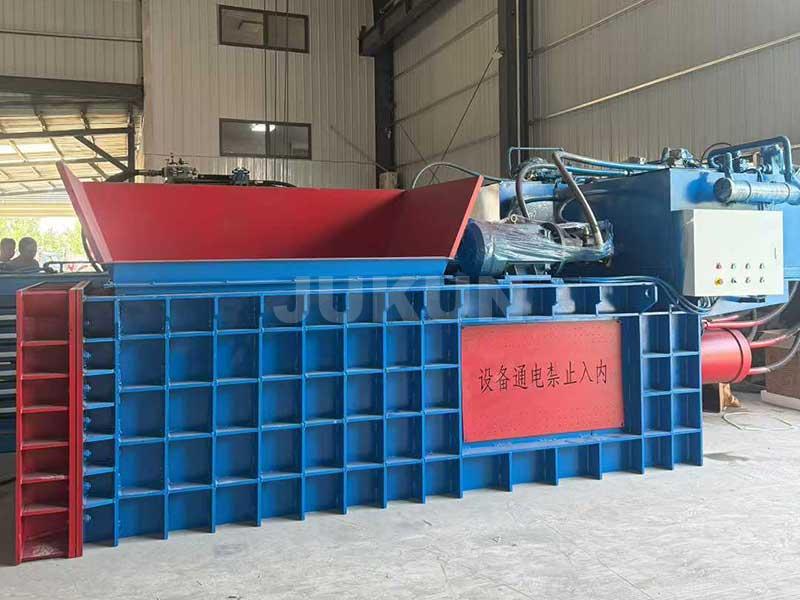 I use a simple selection path. First, I ask what the material is. Second, I ask how much material comes each day. Third, I ask what bale size and weight the buyer needs. These answers shape the machine choice.
What Steps Should You Follow Before You Buy?
First, evaluate the material condition. Check the moisture level. Check the contamination. Check the size and shape. Check whether the material has been pre-processed. Each answer changes the feeding and compression needs.
Second, calculate daily throughput. For example, if your facility processes 12 tons of material during an 8-hour shift, the average required throughput is 1.5 tons per hour. However, this is only a planning figure. Actual baler capacity depends on material density, feeding speed, compression cycles, tying time, and operating interruptions. Ask the manufacturer to test your material and confirm the achievable throughput under your working conditions.
Third, set your bale target. A heavy bale is not always better. The bale must fit your forklift. It must fit your truck. It must meet your buyer's needs. Check bale weight, bale size, and bale density.
Fourth, compare feeding and tying systems. Manual feeding needs labor. Conveyor feeding reduces labor. Manual tying needs operators. Automatic tying speeds the cycle. Compare total cost, not only purchase price.
Fifth, request a material test. Ask for a video. The video should show feeding, compression, tying, and discharge. It should show the finished bale. It should state the bale weight and cycle time. Do not accept a generic video with a different material.
| Selection Step | What to Do | Why It Matters |
|---|---|---|
| Material check | List material type and condition | Prevents wrong chamber and feeding design |
| Throughput check | Calculate real daily tons and hours | Avoids a machine that is too small or too large |
| Bale check | Confirm weight, size, and density | Matches storage, forklift, and transport limits |
| Test check | Request a video with your material | Shows real performance before you pay |
What Should a Horizontal Baler Material Test Report Include?
A complete material test report should document the material condition, machine model, feeding method, compression process, finished bale weight, bale dimensions, and cycle time.
For PET bottles, record whether the bottles are perforated and compare bale stability after discharge. For plastic film and textiles, observe whether the material feeds smoothly or wraps around moving parts.
Ask the manufacturer for test photos or videos showing the actual material and finished bale. The results should be based on your own material sample, not a demonstration using a different material.
In our factory, we prefer to test a customer sample before we confirm a configuration. This shows the real bale weight. It shows the cycle time. It shows if the material needs special feeding. Compare horizontal baler configurations
Frequently Asked Questions
Can One Horizontal Baler Compress Different Materials?
Some horizontal balers can process more than one type of recyclable material. But compatibility depends on the machine design and material condition. Check the manufacturer's approved applications. Test each material separately. Do not assume one successful test covers all materials.
Can a Horizontal Baler Compress Wet Cardboard?
Some machines may handle slightly damp cardboard under specified conditions. But wet or heavily contaminated material can affect bale quality, material value, and machine operation. Confirm the permitted moisture condition with the manufacturer before you process wet material.
Can a Horizontal Baler Compress PET Bottles Without a Perforator?
Some models and applications may work without a separate perforator. Others require perforated bottles or bottles without caps. Test the actual bottles. Compare bale stability with and without perforation. Then choose the configuration.
Can I Use the Same Horizontal Baler for Cardboard and Plastic?
Some models can process both materials. But they should generally be baled separately. Confirm that the machine, feeding arrangement, and tying system are suitable for both materials. Check the approved material range with the factory.
Can a Horizontal Baler Compress Plastic Film Rolls?
Not every horizontal baler is designed for tightly wound plastic film rolls. Depending on the material and machine design, rolls may create excessive spring-back forces during compression. Confirm the manufacturer's approved applications before feeding film rolls into the machine.
Conclusion
Not every horizontal baler handles every material. Test your sample and confirm the machine setup. Contact Jukun for a baler that fits your material.