
Does your recycling business struggle with high logistics costs, inefficient waste handling, or unreliable equipment?
A horizontal baler is often the best solution because it processes high volumes of recyclable materials continuously, produces dense bales that cut transport costs, and reduces manual labor through automation, making it ideal for medium-to-large recycling operations.
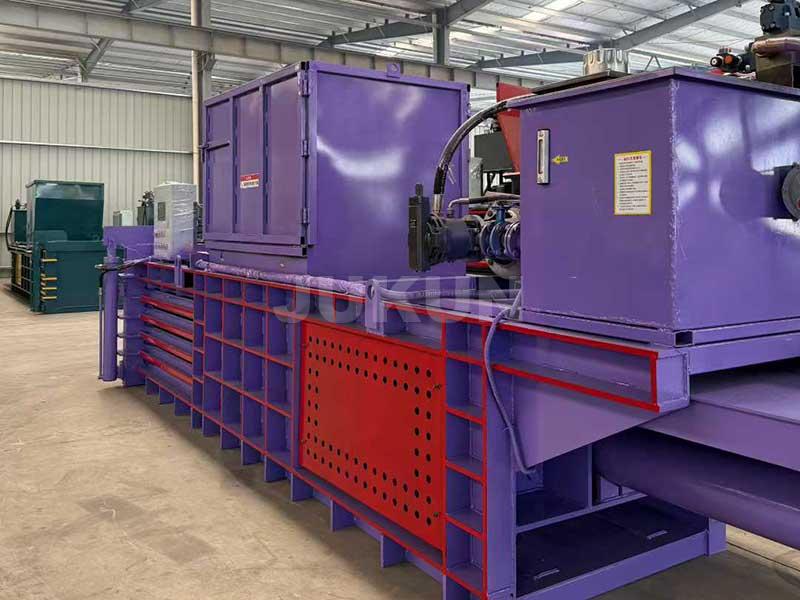
Waste management is not just about getting rid of trash. It is about turning waste into a resource. For business owners like you, the goal is simple: process more material, spend less money on logistics, and increase the value of what you sell. A horizontal baler does exactly that. Let me walk you through why this machine is the right choice for your operation.
What Is a Horizontal Baler and How Does It Work?
Have you ever wondered how large recycling facilities turn mountains of loose cardboard and plastic into neat, stackable bales?
A horizontal baler is an industrial machine that uses hydraulic pressure to compress loose recyclable materials into dense, tied bales. The material moves through a horizontal chamber, and the compaction happens in a straight line parallel to the floor.
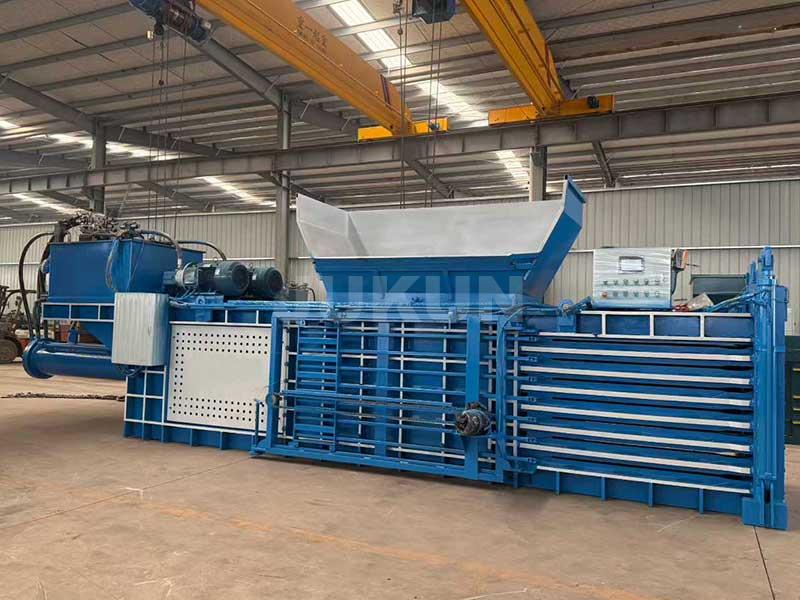
The process is straightforward. First, you feed the material into the machine. You can do this manually, with a loader, or through a conveyor system for continuous operation. The hydraulic ram then pushes the material into the compression chamber. Once the bale reaches the preset length, the machine automatically ties it with wire. Finally, the finished bale is discharged, ready for storage or transport.
This continuous operation is a big advantage over vertical balers. Vertical balers require you to stop, open the door, tie the bale manually, and remove it before starting the next cycle. A horizontal baler runs without interruption. It never gets full. The bales come out one after another, and you can remove them with a forklift whenever it is convenient.
Let me break down the key differences between horizontal and vertical balers so you can see why one works better for high-volume operations.
| Feature | Horizontal Baler | Vertical Baler |
|---|---|---|
| Waste volume | Medium to high | Low to medium |
| Loading method | Manual, loader, or conveyor | Mostly manual |
| Automation | Semi-automatic or fully automatic | Limited |
| Labor requirement | Lower per ton at volume | Higher per bale |
| Bale density | Higher, more consistent | Moderate |
| Floor space | Larger footprint | Compact |
| Upfront cost | Higher | Lower |
Horizontal balers are better when you need conveyor feeding, larger bale output, more consistent density, or lower labor per ton. They are designed for high-throughput environments. Vertical balers are better for smaller facilities with limited space and lower daily waste volume.
Think about your daily volume. If you process more than a few tons of material per day, a horizontal baler will save you money in the long run. The higher upfront cost is offset by lower labor costs, fewer transport trips, and higher bale density that commands better prices from mills and processors.
What Materials Can a Horizontal Waste Baler Process?
Are you processing different types of recyclables and wondering if one machine can handle them all?
A horizontal baler can process most dry, compressible materials from recycling and waste streams, including cardboard, paper, plastics, aluminum cans, steel cans, textiles, and even municipal solid waste.
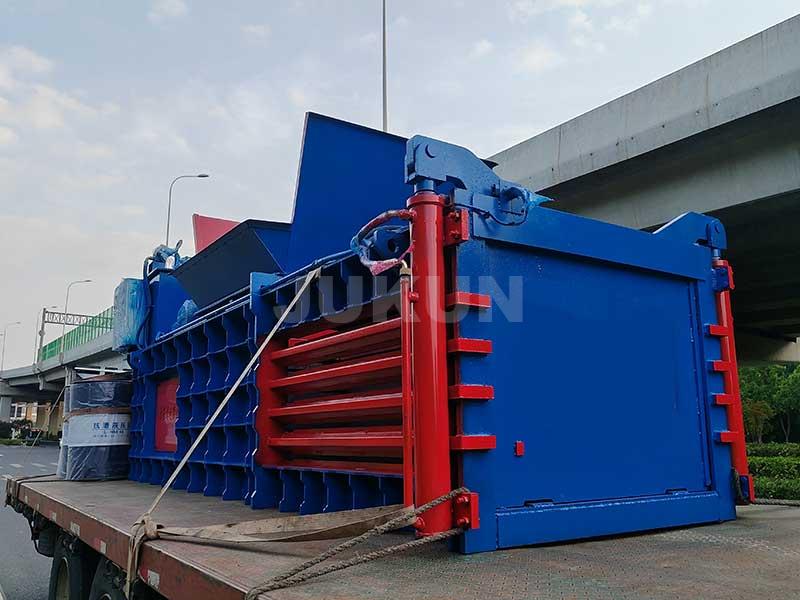
This versatility is one of the main reasons I recommend horizontal balers to my clients. You are not locked into processing just one type of material. The machine adapts to what comes through your door.
Here is a closer look at the common materials and what you need to know about each one.
-
Cardboard and paper: These are the most common materials. Horizontal balers handle them easily and produce high-density bales that paper mills want. Baled cardboard can earn rebates of £60 to £100 per tonne.
-
Plastics and PET bottles: Plastic film and bottles compress well. The dense bales reduce storage space and make transport more efficient.
-
Aluminum and steel cans: Metal cans require more compaction force, but horizontal balers are built for this. They create dense bales that scrap metal buyers prefer.
-
Textiles: Old clothes and fabric waste are becoming a bigger part of the recycling stream. Horizontal balers can handle these materials too.
-
Municipal solid waste: Some models are designed to process mixed waste streams. This is useful for facilities that handle a variety of materials.
The key is to match the machine to your material mix. Different materials require different compression forces. Heavier materials like metals need stronger hydraulic systems. Lighter materials like cardboard and paper need less force but benefit from high throughput.
If you process multiple materials, look for a two-ram horizontal baler. These models handle varied material types and maintain full bale weight while preventing cross-contamination. A single-ram model works well if you process one consistent material type.
Key Benefits of Using a Horizontal Baler for Waste Management
What makes a horizontal baler worth the investment compared to other waste management solutions?
The main benefits are lower transport costs, reduced labor, continuous operation, higher bale density, and the ability to turn waste handling from a cost into a revenue stream.
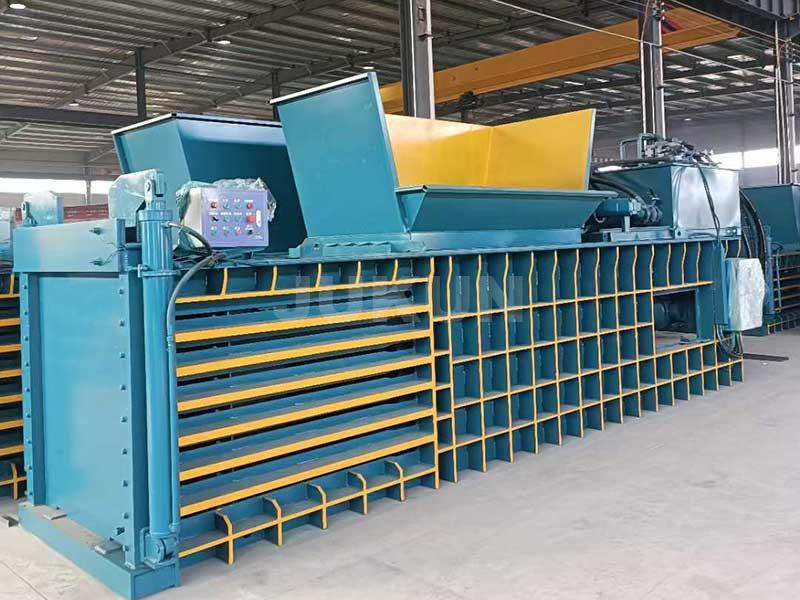
I have seen many business owners focus only on the purchase price. That is a mistake. The real value comes from what the machine saves you over time. Let me explain each benefit in detail.
Transport cost reduction
This is where horizontal balers shine. Loose waste takes up a lot of space. A truck full of loose cardboard carries very little material by weight. When you compact that same material into dense bales, you fit much more into each truck. Fewer trucks mean lower fuel costs and fewer emissions. One facility reported going from paying $18,000 to $20,000 per year for waste removal to actually earning $8,000 to $10,000 per year by selling their compacted bales. That is a complete reversal of cost and income.
Labor savings
A horizontal baler runs with minimal supervision. Once it is set up, it does its job without demanding constant manual work from your staff. Your employees can focus on your core business instead of spending time on waste handling. Fully automated models can reduce labor costs by up to 70%.
Continuous operation
Unlike container compactors that fill up and need to be emptied, a horizontal baler produces a continuous flow of bales. It never gets full. You are not dependent on waste collection schedules. You are not vulnerable to delays from weather, technical issues, or strikes. The bales stack neatly and store easily indoors or outdoors.
Higher bale density
Dense bales are worth more. Mills and processors pay more for material that is compacted tightly. A horizontal baler produces bales with consistent density and shape. This matters for transport and sale.
Revenue generation
When you produce mill-size bales, you can sell them directly to paper mills or plastic processing plants. This turns your waste handling cost into an income. The recycling industry accepts clean, sorted fractions in the form of bales. This increases the recycling rate and contributes to a circular economy.
Improved working environment
You can install a horizontal baler indoors, right next to where the waste is generated. This reduces walking distance and keeps employees inside, away from dark, cold, or wet conditions. It is safer and more convenient for your team.
How to choose a reliable supplier
Now, let me share some practical advice. I have been in this industry for over 20 years. I have seen buyers make costly mistakes. Here is what I look for when evaluating a supplier.
First, verify quality control. Reputable manufacturers test hydraulic circuits, analyze weld joints, and perform cycle endurance checks before shipment. Ask for ISO 9001 certification and CE certification for export compliance.
Second, check the components. Branded hydraulic components from Bosch, Rexroth, or Yuken are a good sign. Generic parts with no markings are a red flag.
Third, demand material certificates with batch tracking. This ensures the steel used in your machine meets quality standards. Avoid suppliers who cannot provide this documentation.
Fourth, ask about warranty. A supplier that offers at least three years of parts warranty is confident in their product.
Fifth, if possible, test-run the machine with your actual materials before you buy. This is the best way to know if the machine will perform as promised.
Conclusion
A horizontal baler reduces transport costs, cuts labor, runs continuously, and turns waste into revenue, making it the best solution for medium-to-high-volume recycling operations.