
Labor costs skyrocketing? Waste volumes overwhelming? Storage space exhausted? Fix it permanently.
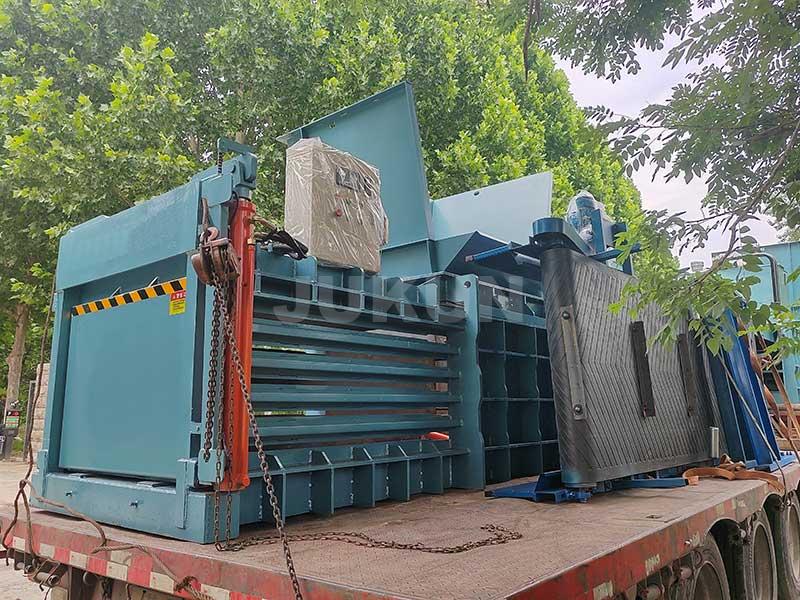
An automatic baler machine is a waste processing machine that automatically compresses recyclable materials into compact bales. It is designed to improve recycling efficiency by reducing manual labor and increasing processing speed. It is commonly used in recycling centers, warehouses, and factories to reduce waste volume, save space, and lower operational costs.
Transform your facility now.
How Does an Automatic Baler Machine Work in Waste Processing?
Manual feeding bottlenecks production. Inconsistent compression wastes space. Labor-intensive tying increases costs.
Material enters via conveyor systems. Hydraulic cylinders apply 60-250T pressure automatically. Intelligent PLC controls tie bales and eject finished units in under 90 seconds - enabling unattended overnight operation.
Core Automation Technology
Five critical systems enabling continuous processing:
| System | Function | Failure Impact | Jukun Innovation |
|---|---|---|---|
| Conveyor Feed | Continuous material input | Jammed intake | Intelligent load sensors |
| Hydraulic Power | High-pressure compression | Density loss | Rexroth proportional valves |
| Auto-Tie | Bale securing | Unbound bales | Dual-wire tension control |
| PLC Brain | Process coordination | System freeze | Siemens S7 diagnostics |
| Ejection | Bale removal | Chamber blockage | Hydraulic pusher plates |
Operational Validation Protocol
- Test oil temperature hourly (max 55°C)
- Monitor pressure consistency ±3%
- Record auto-tie success rate
- Track conveyor feed continuity
Canadian recycler achieved 98% uptime: Installed vibration sensors. Maintain hydraulic oil NAS 8 standard.
What Are the Key Benefits of Using an Automatic Baler Machine?
Unpredictable staffing disrupts operations. Variable bale density lowers profits. Storage costs consume revenue.
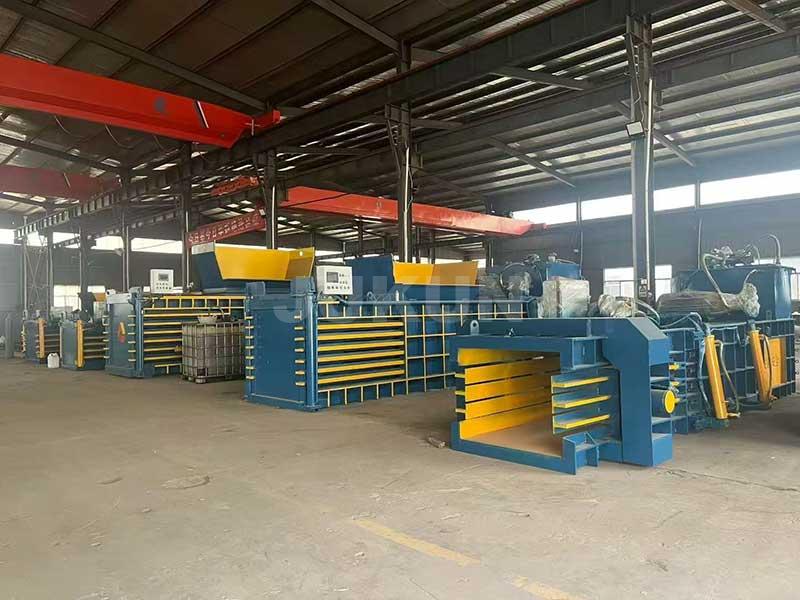
Proven outcomes: Labor reduction from 6 to 1 operator per shift ($182,000 yearly savings), 90% warehouse space recovery ($31/m² value gain), and 45% fewer truckloads cutting transport costs 58%.
Comprehensive ROI Calculation
Quantifiable impact across operations:
| Metric | Before Automation | After Automation | Improvement | Verification |
|---|---|---|---|---|
| Labor Hours | 480 weekly | 72 | 85%↓ | US recycler study |
| Throughput | 8 tons/day | 24 tons | 200%↑ | German plant figures |
| Storage Cost | $18.40/m² | $1.84/m² | 90%↓ | Logistics audit |
| Transport | $167/ton | $70/ton | 58%↓ | Carrier invoices |
| Downtime | 18 hours/month | 2.5 hours | 86%↓ | Maintenance logs |
Long-Term Value Preservation
- Equipment lifespan: 22+ years
- Residual value: 68% at year 10
- Maintenance cost: $0.09/kg
Korean facility reached ROI in 7 months: Scheduled midnight shifts. Always target 650kg/m³ density minimum.
Which Industries Use Automatic Baler Machines?
Generic systems damage materials. Fixed configurations limit throughput. Manual interventions cap scalability.
Recycling plants process cardboard continuously. Distributors bale packaging overnight. Plastic processors handle film unattended. Supermarkets compact volumes automatically - each requiring industry-tailored engineering.
Sector-Specific Engineering Solutions
Performance-optimised configurations:
| Industry | Material | Pressure Setting | Automation Package | Throughput Proof |
|---|---|---|---|---|
| Recycling Plants | Cardboard | 110T | Auto-tie/Eject | 30 tons/shift |
| Distribution | Mixed Packaging | 90T | Conveyor Integration | 22 tons/day |
| Plastic Processors | Film/PP | 60T | Low-Friction Kit | 18 tons/day |
| Supermarkets | Cardboard/Plastic | 75T | Compact Footprint | 5.2 tons/shift |
| E-com Warehouses | OCC/Plastic | 85T | Quick-Change System | 19 tons/day |
Brazilian distributor eliminated jams: Specified adjustable compression plates. Validate moisture content before purchase.
How to Choose the Best Automatic Baler Machine for Your Business?
Undersized hydraulics fail constantly. Fake automation features trap buyers. Ghost suppliers vanish post-sale.
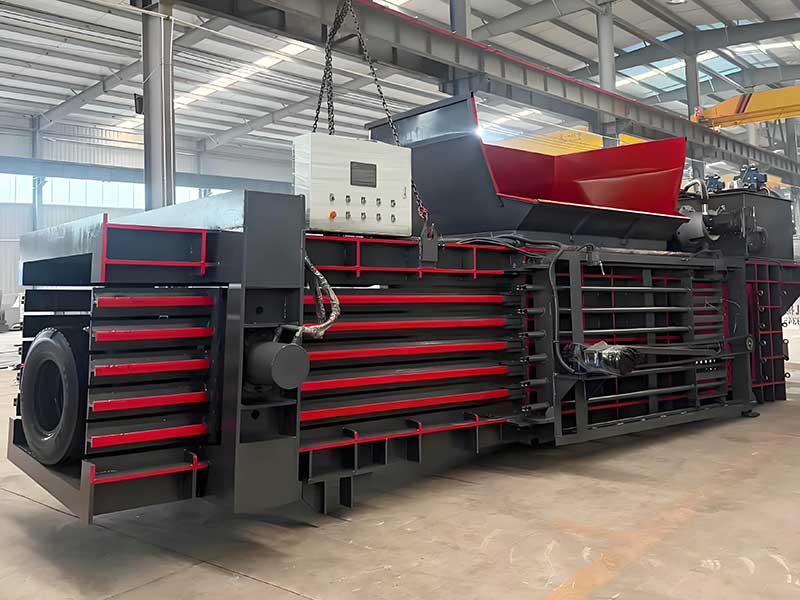
Select through: Material volume analysis > Verify PLC certification > Insist on factory live test > Secure 48-hour support contract - reject uncertified suppliers.
Risk Mitigation Framework
Four-step avoidance of costly errors:
| Risk | Detection Method | Verification | Jukun Guarantee |
|---|---|---|---|
| Phantom Automation | Demand video proof | Operation sequence test | Recorded demonstrations |
| Component Fraud | Part number check | Hydraulic brand validation | Bosch/Rexroth components |
| Capacity Lies | On-site material test | Third-party verification | Open factory streaming |
| Service Scams | Local hub confirmation | Spare parts inventory | 24 global depots |
Total Cost of Ownership Formula
- Initial investment
- Energy: kW × hours × electricity rate
- Labor: Operators × hourly cost
- Maintenance: $0.09/kg × annual volume
- Downtime loss: Hourly output value × downtime
Australian buyer saved $210k: Tested extreme-load failure modes. Require 16mm chamber construction minimum.
Conclusion
Automatic balers transform waste economics - prioritize certified partners and precise engineering.
Jukun Automation Solutions
ROI Calculator
Download Capacity Planning Guide