
Chaotic recyclables waste space and profit. Manual handling slows operations. Baler machines transform disorder into compact assets.
A baler compresses scrap materials using hydraulic power—crushing paper, plastic, textiles or metal into dense transport-ready blocks. Jukun's industrial models achieve up to 900kg/m³ density, cutting storage needs by 75% while boosting recyclable value 25%.
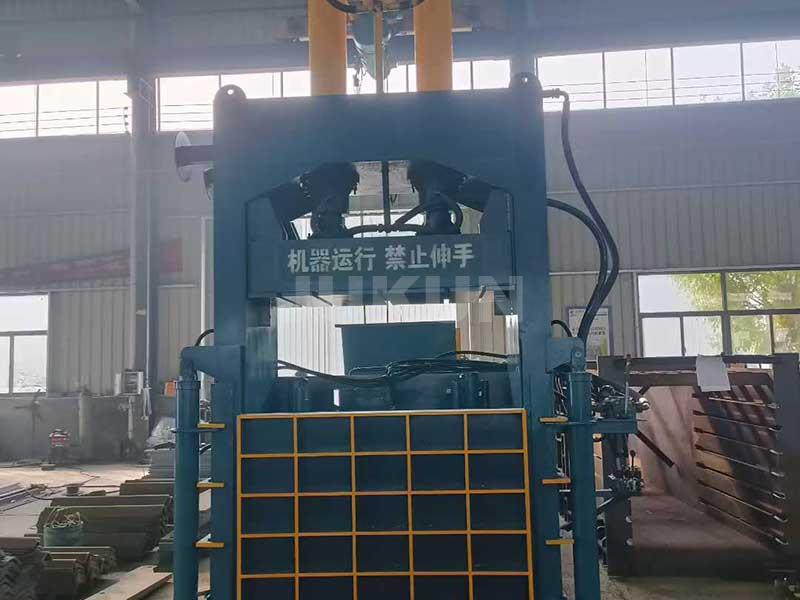
See how baling revolutionizes waste management.
What Is a Baler Machine and How Does It Work?
Loose materials jam operations. Storage costs drain profits. Hydraulic power solves both instantly.
Material enters a steel chamber where 50-500 ton cylinders crush it into dense bales, tied mechanically and ejected automatically. At Jukun, we build systems completing cycles every 1-3 minutes at 95% density consistency.
Explore core components:
Operational sequence breakdown
Jukun engineering specifications:
| Stage | Action | Duration | Critical Factors | Failure Risks |
|---|---|---|---|---|
| Loading | Material enters chamber | 15-45 seconds | Volume capacity | Overload jams |
| Compression | Cylinders apply pressure | 12-90 seconds | Hydraulic pressure | Seal leaks |
| Tying | Wire/straps secure bale | 10-30 seconds | Auto-tie precision | Misalignment |
| Ejection | Bale exits chamber | 5-15 seconds | Conveyor speed | Blockages |
| Reset | System prepares | <10 seconds | Hydraulic accumulators | Pressure drops |
Pressure timing determines efficiency. Jukun's dual-pump system maintains full crushing force during the entire compression cycle. Auto-cycle features prevent delays: sensors automatically trigger compaction when chamber loads reach 85% capacity. Critical maintenance checkpoint: monitor hydraulic oil temperature. Systems exceeding 65°C lose 40% efficiency and require immediate cool-down cycles.
What Types of Materials Can a Baler Machine Process?
Wrong material selection damages machines. Density variances ruin bales. Specialized configurations handle diverse streams.
Our balers crush cardboards at 280kg/m³, steel scrap at 900kg/m³, plastic films requiring pre-shredding—with piercing rods added for barrels or dense textile batches.
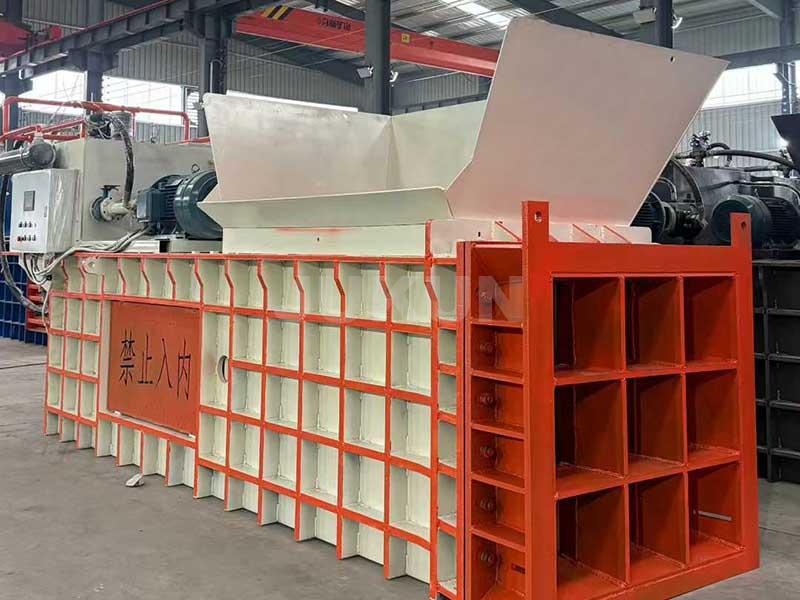
Match capabilities to waste:
Processing specifications by material
Jukun validation testing:
| Material Type | Optimal Pressure | Max Density | Preparation Needed | Special Features |
|---|---|---|---|---|
| OCC Cardboard | 100-150 tons | 380 kg/m³ | Flattening | Auto-feed conveyors |
| PET Bottles | 60 tons | 290 kg/m³ | Caps removed | Vent channels |
| Textiles | 120 tons | 350 kg/m³ | Moisture <10% | Piercing platen |
| Aluminum Cans | 45 tons | 390 kg/m³ | None | Lubricated chamber |
| Steel Shavings | 400 tons | 1050 kg/m³ | Oil drainage | Reinforced walls |
Steel demands extreme force. Jukun's 450-ton horizontal models compress machine shop filings into 1m³ blocks shipping at $290/ton. Textiles need unique prep: one Toronto recycler avoided 22% density loss by installing pre-drying tunnels in feed areas. Hazard precautions: chemical drums require sealed liquid-capture systems below the chamber. Monitor contamination: a Montreal facility lost $17,000 when copper wires melted into aluminum bales during compression.
Which Industries Use Baler Machines for Recycling and Waste Management?
Volume determines payoff. Facility constraints impact selection. Industry needs dictate configurations.
Retail chains use smaller vertical balers processing 2 tons/day—while recycling centers need automated horizontals handling 30+ tons daily. Jukun ships both with specialized configurations.
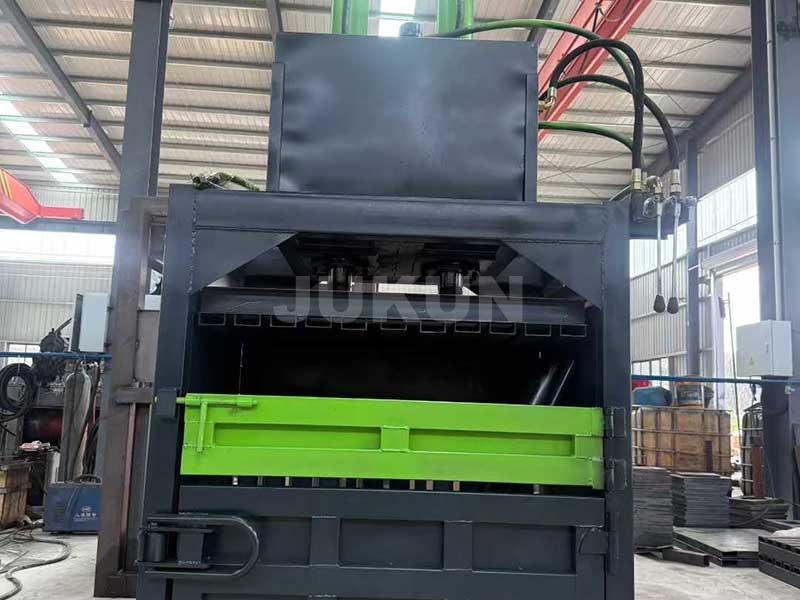
Compare requirements:
Industry-specific implementation guide
Jukun installation database:
| Sector | Daily Volume | Balers Preferred | Key Benefit | ROI Timeframe |
|---|---|---|---|---|
| Supermarkets | 0.5-2 tons | Vertical | Space savings | 11 months |
| Recycling Centers | 18-40 tons | Full-auto horizontal | Payload optimization | 6 months |
| Manufacturing | 5-25 tons | Semi-auto horizontal | Scrap revenue | 14 months |
| Paper Mills | 30-80 tons | Custom heavy-duty | Production integration | 9 months |
| Auto Shredders | 8-15 tons | Two-ram design | Hazard safety | 16 months |
Automotive shredders require heavy reinforcement. Jukun installs triple-plated chambers handling impacts from suspension rods. Space determines model choice: big-box retailers save $180,000 annually converting 80% of stockroom space to sales areas. Specialized needs: textile recyclers add safety screens to contain needle hazards during cotton compaction. Maintenance priorities vary: coastal recycling centers require stainless steel components resisting salt corrosion.
What Are the Benefits of Using a Baler Machine for Industrial Recycling?
Hidden costs lurk everywhere. Missed opportunities waste money. Industrial baling captures both financial and operational gains.
Compressed bales slash transport costs 62%, reclaim 85% storage space, cut labor hours 74%, while improving safety records and raising recyclable value up to 30%.
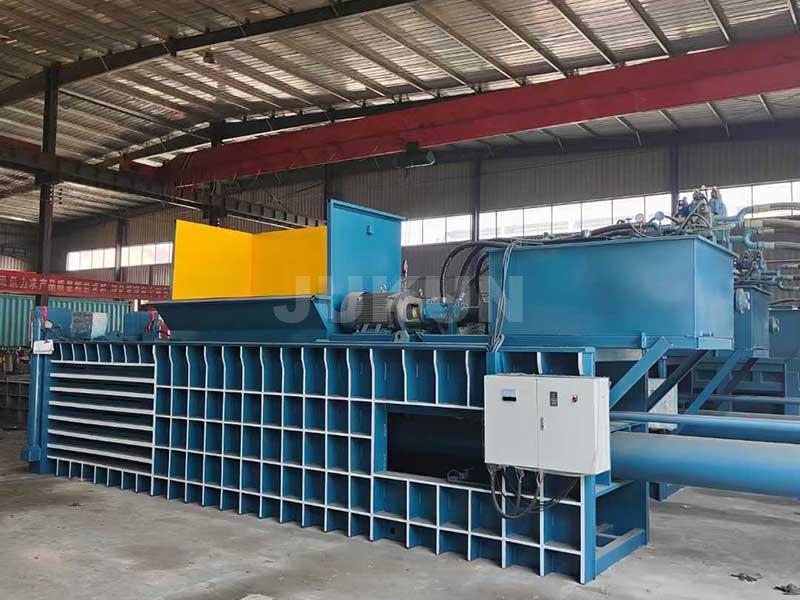
Quantify the advantages:
Benefit/cost validation table
Documented in Canadian operations:
| Impact Area | Savings/Improvement | Example Case | Dependency Factors |
|---|---|---|---|
| Transport | $38/ton reduction | Ontario recycler: $21k/month saved | Truck capacity utilization |
| Storage | 85% space reclaimed | Québec warehouse: $14k/month rental value | Bale density consistency |
| Labor | 2.3 hours/ton reduction | Maritime mill: 3.5 staff reassigned | Automation level |
| Recyclable Value | +$55/ton metal premium | Alberta yard: $310k annual gain | Bale purity >98% |
| Compliance | 75% fewer violations | Food processor: $0 penalties vs $21k before | Fluid containment systems |
Labor savings compound daily. Auto-tie systems process 28 bales/hour needing only 0.2 operator hours. Warehouse conversions create profit centers: an Edmonton distributor leases reclaimed space for $6,500/month. Safety statistics improve: facilities report 89% fewer material-handling incidents after baling installations. Track moisture percentages: wet textiles exceeding 15% water content trigger bale mold penalties at recycling yards.
Conclusion
Balers transform recyclables into strategic assets—delivering space, labor, transport cost reductions, and revenue premiums unavailable through manual handling methods.