
Scrap piles overrun yards daily. Loose metal costs more to ship than it's worth. Slow processing wastes labor hours. A scrap baler machine solves these frustrations today.
Industrial hydraulic scrap balers compress metals like steel, aluminum, and copper into dense bales. Benefits include 80% space reduction, 60% transport cost savings, higher scrap value, and faster processing for recyclers and metal yards.

Discover how the right baler transforms scrap chaos into profitable recycling. Step-by-step selection guide included.
What Is a Scrap Baler Machine?
Handling bulky scrap eats profits. Standard compactors break under metal loads. Industrial scrap balers crush tough materials efficiently.
It's a hydraulic compression machine that bales loose metals into dense blocks. Built for steel yards, foundries, and recyclers, it features reinforced construction, high compression force (100-500 tons), and continuous operation capability for industrial recycling.
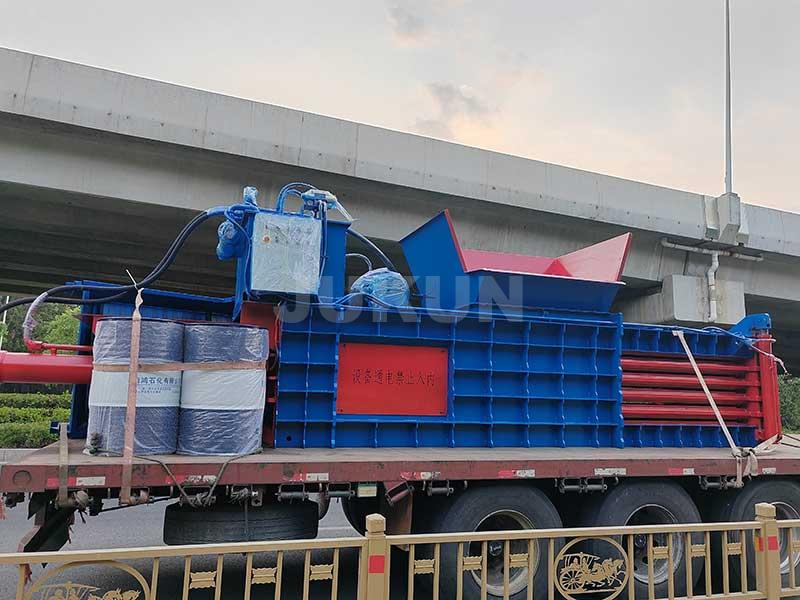
Industrial-Grade Engineering Differences
Scrap balers outperform standard equipment through three critical advantages:
| Feature | Standard Compactor | Industrial Scrap Baler |
|---|---|---|
| Frame Strength | 10-15mm steel | 25-40mm reinforced plates |
| Hydraulic Force | <50 tons | 100-500+ ton cylinders |
| Material Handling | Light waste | Steel beams, car bodies, heavy scraps |
| Duty Cycle | 4-6 hrs/day | 24/7 continuous operation |
| Lifespan | 3-5 years | 10-15+ year design life |
At Jukun, we build balers that won’t quit. Our 300-ton model processes 12 cars/hour nonstop. Double-layer welding prevents frame cracks under extreme pressure. Every machine undergoes destructive testing – one prototype crushed 25 tons/hour for 90 days straight.
What Types of Scrap Materials Can a Scrap Baler Machine Handle?
Wrong machines jam on mixed metals. Thin aluminum shreds damage chambers. Know material limits before buying.
From steel beams to copper wire, balers handle: steel scraps, aluminum, copper, stainless steel, iron parts, cans, auto bodies, and mixed metals. Match machine strength to your scrap type – thin materials need lower pressure than structural steel.
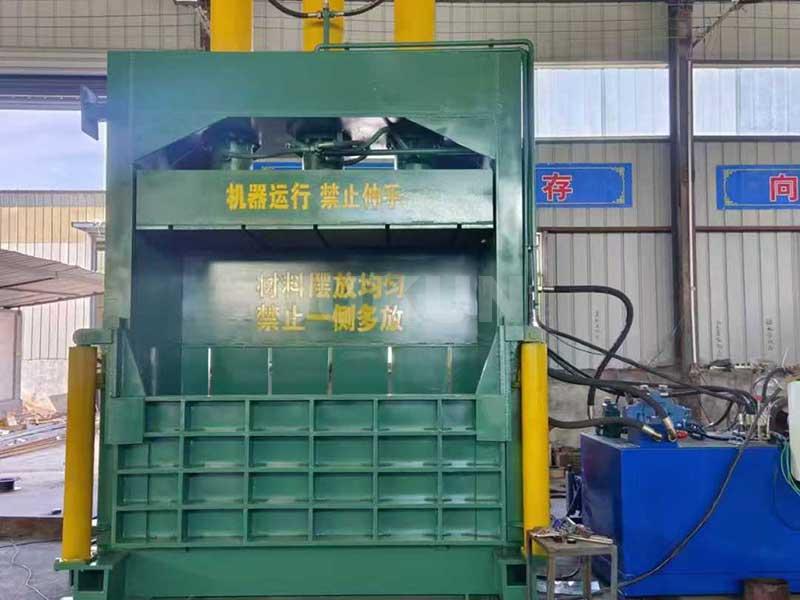
Pressure Requirements Guide
Different metals demand specific engineering:
| Material | Minimum Pressure | Pre-Processing | Bale Density |
|---|---|---|---|
| Steel Beams | 150+ tons | Cutting | 1.8+ g/cm³ |
| Aluminum Cans | 80-100 tons | None | 0.8-1.1 g/cm³ |
| Copper Wire | 120 tons | Bundling | 3.2+ g/cm³ |
| Auto Bodies | 200+ tons | Removal of glass/tires | 1.2 g/cm³ |
| Shredded Steel | 60 tons | No prep | 1.5 g/cm³ |
Jukun solves tough cases daily: For razor-thin titanium scraps, we add material guides preventing chamber gaps. Oily machine shop waste gets optional fluid drains. Test your scrap at our China factory – results in 48 hours.
What Are the Benefits of Using a Scrap Baler Machine?
Unprocessed scrap shrinks profits. Hidden costs include wasted yard space and hourly labor. Baling adds value chain-wide.
Baling scrap reduces storage space by 80%, cuts transport costs 60%, slashes labor needs 75%, increases scrap value 15-25%, and boosts daily output 300% – paid back within 18 months for most recyclers.
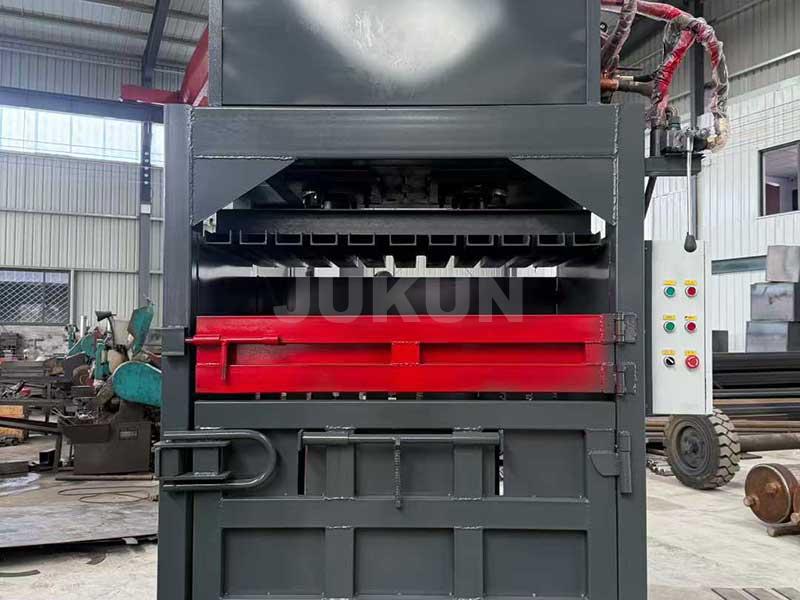
Real-World Cost Transformation
See profits before/after installation:
| Cost Area | Before Baling | After Jukun Baler | Annual Savings |
|---|---|---|---|
| Transport | $240/ton | $96/ton | $86,400 (on 600t) |
| Yard Space | $18,000 leased | $2,000 needed | $16,000 |
| Labor | 3 workers @$27/hr | Semi-auto operation | $126,360 |
| Material Value | $210/ton steel | $240/ton (dense) | +$18,000 |
| Total | - | - | $246,760 |
Jukun client Metro Scrap in Ontario paid off their baler in 11 months. We include productivity warranties: Daily output guaranteed or free upgrades. Anti-jam sensors prevent damage from rogue engine blocks.
How to Choose the Best Scrap Baler Machine for Your Business?
Overpowered machines waste money. Fragile models self-destruct under heavy scrap. Follow these steps to buy smart.
Evaluate scrap type, daily volume (tons), needed bale size, automation level, hydraulic quality (300+ cycles before fluid loss), certifications (CE/ISO), and supplier reliability. Choose direct manufacturers to avoid markup fees and ensure genuine parts.

Step-By-Step Buyers’ Checklist
Prevent disasters with due diligence:
Capacity Calculator:
- Under 3 tons/day → 80-ton manual models
- 3-10 tons/day → 150-ton semi-auto
- 10-25 tons/day → 300-ton auto-feed
- 25+ tons/day → Custom 500+ ton systems
| Jukun Solutions for Importer Fears: | Concern | Our Fix |
|---|---|---|
| Fake Certificates | Video tours with ISO codes scanning | |
| Shipment Delays | GPS container trackers + $500/day penalty clause | |
| Payment Risks | Escrow payments until inspection passed | |
| Support Gaps | Canada-based techs on call 24/7 | |
| Hidden Defects | 45-day no-fault return policy |
Visit our workshop virtually while we pressure-test your baler. Compare hydraulic oil temperatures under load (ours stay below 65°C). Canadian operators receive local language manuals and winter-grade seals. Performance guarantees backed by 15-year frame warranties.
Conclusion
Proper scrap balers transform unwieldy metal into profit centers through efficiency gains and cost control.