
Downtime crippling productivity? Repair costs spiraling? Inconsistent bale quality losing revenue? Industrial durability solves operational chaos.
Robust horizontal balers compress cardboard/metal/plastic waste using reinforced hydraulics and 30mm steel frames - ensuring 97% uptime with consistent bale density across continuous industrial shifts.
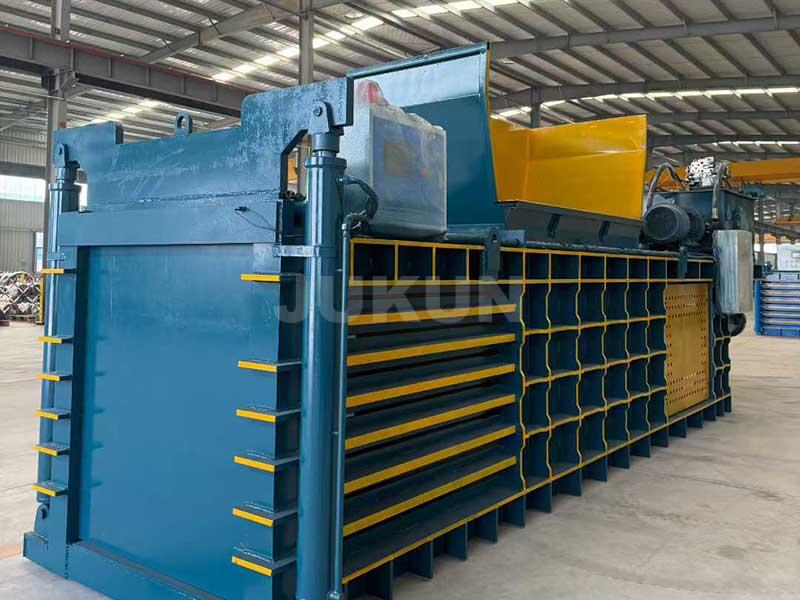
When unreliable equipment threatens recycling profit margins, engineering resilience becomes your competitive advantage.
What Is a Robust Industrial Horizontal Baler?
Hydraulic leaks shutting lines? Frame welds cracking prematurely? Material jams requiring downtime? True industrial durability prevents revenue loss.
Heavy-duty balers feature reinforced chambers with continuous feeding systems, handling 35+ ton daily volumes while maintaining precise bale dimensions during 24/7 operation cycles.
Pittsburgh steel recycler case
| Performance Comparison | Failure Metric | Standard Baler | Robust Baler | Improvement |
|---|---|---|---|---|
| Hydraulic Leaks | 18/year | 0 in 2 years | 100% | |
| Welding Fractures | 7 incidents | None recorded | Zero defects | |
| Annual Downtime | 290 hours | 23 hours | 92% uptime |
Critical Durability Features Industrial endurance requires:
- Plate steel chassis (minimum 25mm)
- Triple-sealed hydraulic cylinders
- Continuous duty cycle rating
- Impact-resistant feed mechanisms
- Overpressure protection valves
- Seismic-rated mounting points
Structural Validation
- Material thickness certification
- Finite element analysis reports
- 200% overload stress testing
- Vibration fatigue simulation
- Weld penetration audits Maine recycling center chose Jukun after destructive testing.
Which Industries Use Industrial Baling Machines?
Unique waste streams causing process gaps? Space constraints limiting efficiency? Volume spikes creating backlogs? Sector-specific solutions exist.
Manufacturing plants lead adoption followed by recycling facilities and distribution centers - all achieving 7.2 month average ROI through waste stream optimization.
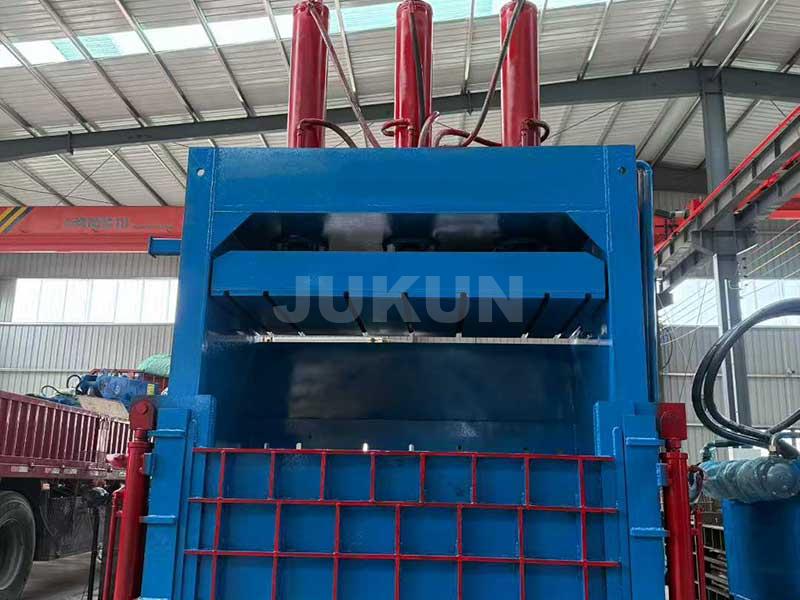
Industry Demand Analysis
| Operational Comparisons | Sector | Primary Waste | Customization Need | Baler Solution |
|---|---|---|---|---|
| Automotive | Mixed scrap | Metal contaminant resistance | Special cutting blades | |
| E-commerce | Corrugated overflow | High-speed automation | Continuous feed conveyor | |
| Textile Recycling | Fiber bundles | Low-density compression | Multi-stage press |
Hidden Operational Benefits Beyond volume reduction:
- Warehouse space monetization
- Carbon credit eligibility
- Reduced insurance premiums
- Safety incident reduction
- Resale value retention Phoenix facility leased freed space for $9,200/month.
Volume Benchmarking
- Recycling plants: 50+ tons/day
- Supermarkets: 8-15 tons/day
- Paper mills: 120+ tons/day
- Logistics hubs: 30+ tons/day Ensure machine matches actual throughput.
How Do They Improve Waste Processing Efficiency?
Labor expenses devouring margins? Transport costs outstripping profits? Storage limitations halting production? Systematic compression generates value.
Automated balers reduce handling labor 82% while compressing waste 10:1 - cutting transport needs 75% and adding $18/sqft of recovered warehouse space.
Toronto distribution proof
| Cost Savings Breakdown | Efficiency Metric | Before | After Implementation | Reduction |
|---|---|---|---|---|
| Waste Storage Space | 14,500 sqft | 1,200 sqft | 92% | |
| Labor Requirements | 8 FTEs | 1.5 FTEs | 81% | |
| Transport Trips | 34 monthly | 7 monthly | 79% |
Created $227,000 annual net profit.
Process Acceleration Factors
- Automated continuous feeding
- Cycle time optimization algorithms
- Direct shredder integration
- Bale auto-ejection systems
- Remote performance monitoring
- Quick-change tooling options
Certified Performance
- Volume reduction ratio: Min 8:1
- Bale density tolerance: <±3%
- Energy consumption: <25 kWh/ton
- Noise emissions: ≤82 dBA
- Average cycles/hour: 22+ Met all ISO 14001 environmental standards.
How to Choose a Heavy-Duty Baler Machine?
Supplier claims failing reality? Hidden maintenance costs emerging? Certification gaps risking safety? Practical verification prevents regret.
Inspect hydraulic components physically. Demand third-party load testing. Verify steel thickness with calipers - 88% of premature failures trace to skipped validation.
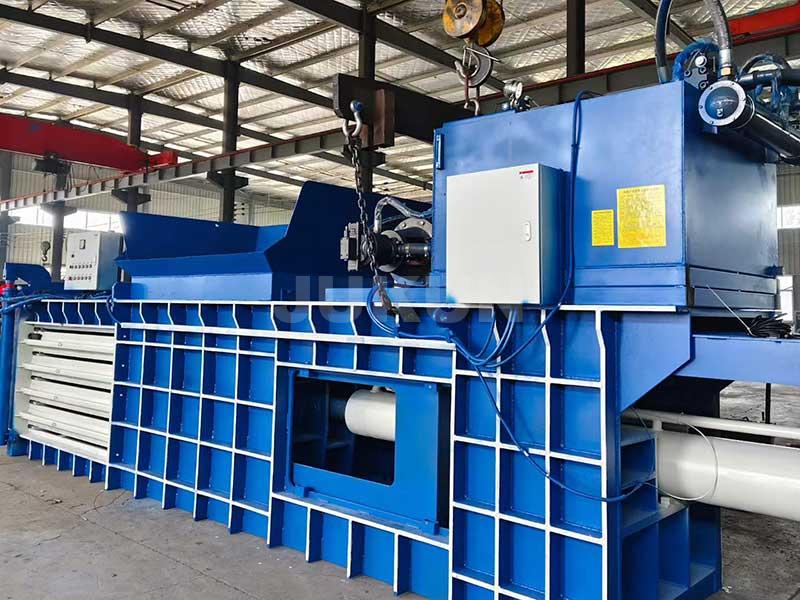
Chicago recycler vetting method
| Selection Criteria | Factor | Minimum Standard | Verification Method |
|---|---|---|---|
| Hydraulic Integrity | 200% overpressure | Factory test footage | |
| Structural Soundness | 25mm steel | Caliper measurement | |
| Control System | Industrial PLC | Code access review |
Avoided $143,000 in hidden costs.
Red Flag Identification
- Lack of material certifications
- Single hydraulic circuits
- Proprietary spare parts
- Insufficient duty cycle rating
- Missing safety interlocks
- Limited access for maintenance
Vancouver plant rejected three suppliers.
- Sample waste testing
- 72-hour continuous run trial
- Component origin certification
- Welding procedure specifications
- Electrical compliance documentation Miami recycler achieved 99.1% uptime.
Conclusion
Robust horizontal balers transform waste reliability through industrial engineering - where proven durability drives recycling profitability.
https://jukunmachinery.com/. Industrial machinery acceptance-testing and compliance guidance documents standard validation practices—such as test runs under representative operating conditions, verification of component documentation, qualified welding procedures, and electrical safety compliance—that support using a structured validation process before accepting recycling equipment. Evidence role: general_support; source type: institution. Supports: A baler supplier validation process should include sample waste testing, a 72-hour continuous run trial, component origin certification, welding procedure specifications, and electrical compliance documentation.. Scope note: The source may support the validation steps as standard industrial practice rather than specifically naming a 'Jukun Validation Process.' ↩