
Recycling facilities struggle with messy materials daily. Unbaled waste consumes space and profits. Hydraulic balers transform chaos into profit.
Hydraulic balers compress recyclables like cardboard, plastics, and metals using hydraulic cylinders. They create dense, stackable bales that improve storage efficiency, cut transport costs, reduce labor needs, and boost recycling output.
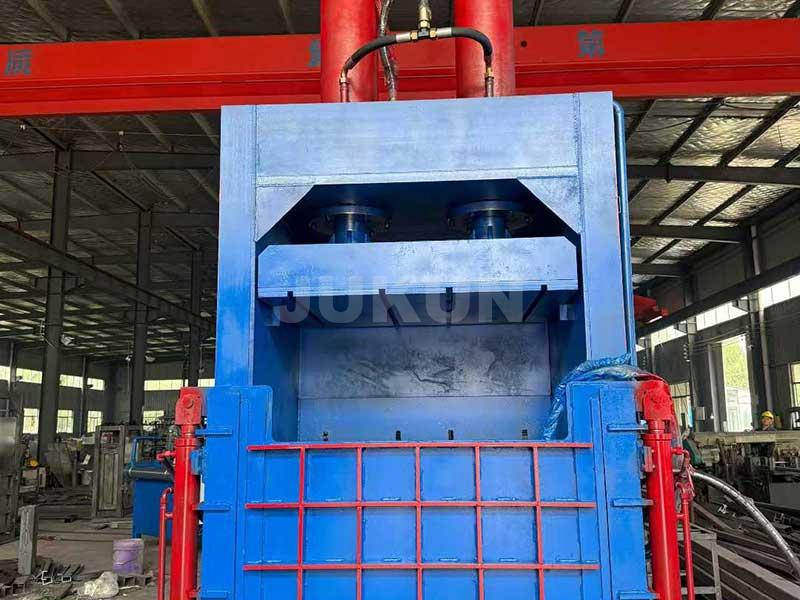
I've watched facilities double profits with the right baler. Choosing poorly drains budgets fast. Let me share critical insights.
What Is a Hydraulic Baler?
Piles of loose materials frustrate workers. They waste floor space and forklift time. Hydraulic balers solve this problem immediately.
This equipment uses pressurized fluid to crush recyclables into compact cubes. It handles cardboard, plastic, textiles, and metal cans efficiently within industrial recycling settings.
More Than Just a Compactor
Three key features distinguish hydraulic balers:
-
Power source
Hydraulic pumps generate immense force - far beyond mechanical press designs. Most balers deliver between 50-450 tons of pressure. -
Versatility spectrum
From compact vertical units for supermarkets to industrial horizontal beasts handling tons/hour. Different sizes exist. -
Density control
Adjustable pressure settings let operators perfect bale firmness. Cardboard needs different compression than PET bottles.
Manual balers dominated years ago. Now hydraulic systems handle 90% of industrial recycling. At our Shanghai facility, one horizontal hydraulic baler processes 8 tons of cardboard hourly.
Material type dictates everything. Paper mills prefer different models than scrap yards. Understand what you're compressing daily.
How Does a Hydraulic Baler Work?
Operators used to fight jammed machines constantly. Modern hydraulic systems eliminated most headaches. Their operation flows smoothly.
Materials enter a compression chamber where hydraulic pistons crush them. After compacting, machines tie and eject finished bales. The hydraulic system powers every motion.

The Step-by-Step Pressure Process
Watch how each action unfolds:
| Stage | Action | Hydraulic Role |
|---|---|---|
| Material intake | Conveyors load recyclables | Pump powers feeding systems |
| Compression | Pistons crush materials horizontally | Cylinders generate force |
| Density monitoring | Sensors measure compaction | Pressure valves adjust |
| Tying | Wires secure bale shape | Hydraulic motors drive tying arms |
| Ejection | Finished bale exits chamber | Pistons push bale onto ramp |
During my first demonstration, this cycle completed every 110 seconds precisely. Consistent rhythm prevents material shifting and jams.
PLC brains coordinate everything. They adjust pressure mid-compression if sensors detect uneven density. Smart systems troubleshoot problems before operators notice.
Hydraulic fluid temperature matters immensely. Modern balers monitor oil heat constantly. Overheating causes over 30% of unexpected shutdowns I've witnessed.
Why Do Hydraulic Balers Produce Higher-Density Bales?
Transport costs devour recycling profits. Half-empty trucks bleed money. Dense bales solve this issue efficiently.
Steady hydraulic pressure compresses materials thoroughly throughout the entire cycle. This packs more weight into each cubic meter which slashes shipping expenses and storage needs.
Turning Air into Savings
Density creates profit through four channels:
-
Transport efficiency
A Canadian client reported 40% more weight per truckload after switching to hydraulic balers. Their routes decreased. -
Warehouse capacity
Smaller bales occupy less storage space. One warehouse tripled material storage without expanding. -
Moisture displacement
Uniform pressure forces water out during compression. Drier bales avoid mold penalties from processors. -
Resale premiums
Scrap yards pay more for dense bales that melt evenly in furnaces.
Our balers maintain pressure consistency better than mechanical systems. Hydraulic fluid absorbs shocks creating stable compression. Fluctuations stay below 5%.
Testing methods matter. We conduct trial runs with customer materials before manufacturing. Perfect settings avoid costly readjustments later.
How to Choose the Best Hydraulic Baler for Your Recycling Business?
Rushed purchases create expensive regrets. I've seen companies lose thousands monthly. Smart selection prevents this.
Match equipment to your primary materials and daily volumes first. Then inspect hydraulic component quality, maintenance accessibility, automation level, and manufacturer reputation thoroughly.

The Five-Point Decision Checklist
Follow these steps:
-
Volume measurement
Log daily material intake for two weeks. Avoid guesswork - actual volumes often surprise buyers. -
Material classification
Cardboard behaves differently than steel cans or plastic film. Choose specialty designs accordingly. -
Component inspection
Demand European/Japanese hydraulic pumps and cylinders when inspecting machines. Quality brands last longer. -
Technical support assessment
Count response times: How quickly will technicians arrive? Test this during negotiations. -
Total ownership costing
Calculate:- Initial price
- Expected maintenance costs
- Energy usage
- Labor savings
- Expected lifespan
Overseas clients forget shipping requirements. Reliable suppliers handle customs and documentation seamlessly. One Canadian customer avoided $11,000 in unexpected fees with proper planning.
Certificates demand verification: Insist on seeing original CE/ISO paperwork onsite. Counterfeits cost a Texas facility 37 days of downtime.
Conclusion
Hydraulic balers maximize recycling profits through force and consistency. Choose wisely based on materials and volume.