
Choosing a baler feels overwhelming. I see clients stress over wrong purchases daily. Mistakes cost thousands in lost productivity. Let’s simplify your decision today.
Select a horizontal hydraulic baler by matching five key factors: your material type, daily processing volume, required bale density, available space, and automation level. Test machine prototypes with your actual waste to avoid costly mismatches.
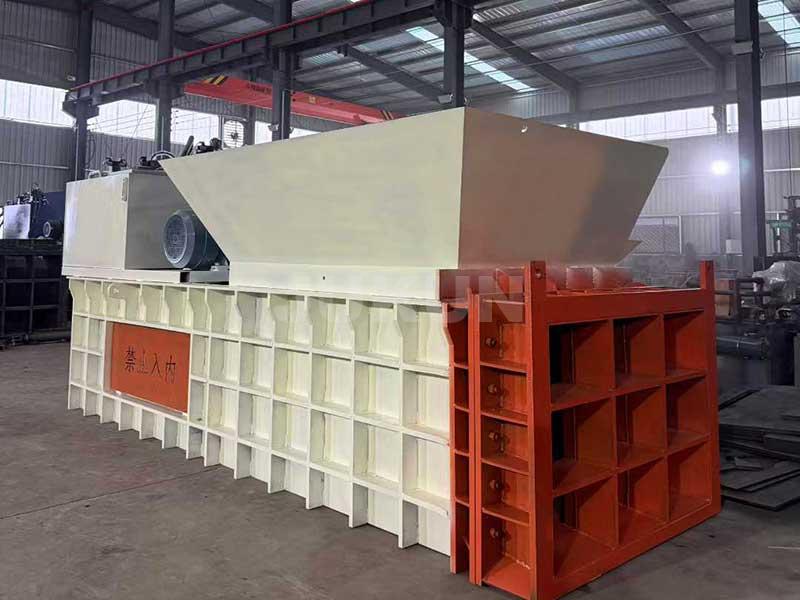
Feeling stuck between options? I operate Jukun’s factory for twenty years. We’ll walk through real decision points together. Read on for transparent advice.
What Factors Should You Consider When Buying a Horizontal Hydraulic Baler?
Cardboard jams your machine? PET bottles won’t compress? I’ve seen buyers face these exact issues. Poor choices halt operations fast.
Prioritize material type, daily volume, bale density, plant space, and automation. For example, PET bottles need pre-crushing systems while cardboard requires simpler compression. Validate hydraulic pressure ratings against your scrap.
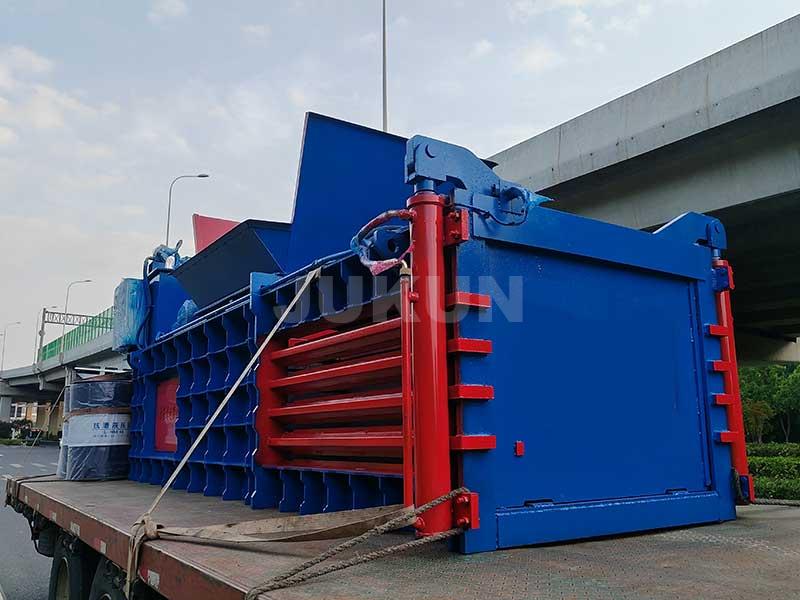
Now break down each factor:
Matching Machine Specifications to Waste Streams
Your scrap dictates everything. We test materials first. Try this comparison:
| Waste Material | Key Requirement | Common Mistake |
|---|---|---|
| Cardboard | Medium pressure (40-60T) | Using excessive force tears fibers |
| PET Bottles | Pre-crusher + high pressure (80-120T) | Ignoring trapped air reduces density 30% |
| Metal Scrap | Reinforced chamber walls | Thin steel bends under heavy loads |
| Textiles | Slow compression cycles | Fast cycles create uneven bales |
Think about your warehouse layout too. One client bought a large baler last year. It wouldn’t fit through their dock door. Measure door widths and ceiling height before ordering. Then consider bale weight. A 1-ton bale might exceed your forklift’s capacity. For materials like foam, density matters more than size. Test samples at your intended bale weight. Does it spring back after compression? Our engineers run density trials upfront. This prevents expensive modifications later.
Automatic vs. Semi-Automatic Horizontal Baler: Which Is Best for Your Recycling Business?
Labor shortages slowing your operation? I’ve watched semi-automatic balers sit idle during breaks. Automation solves this but costs more upfront.
Choose semi-automatic for under 5 tons/day or varied materials. Opt for automatic systems above 8 tons/day with uniform waste streams. Automation saves 60% labor costs but needs consistent material flow.
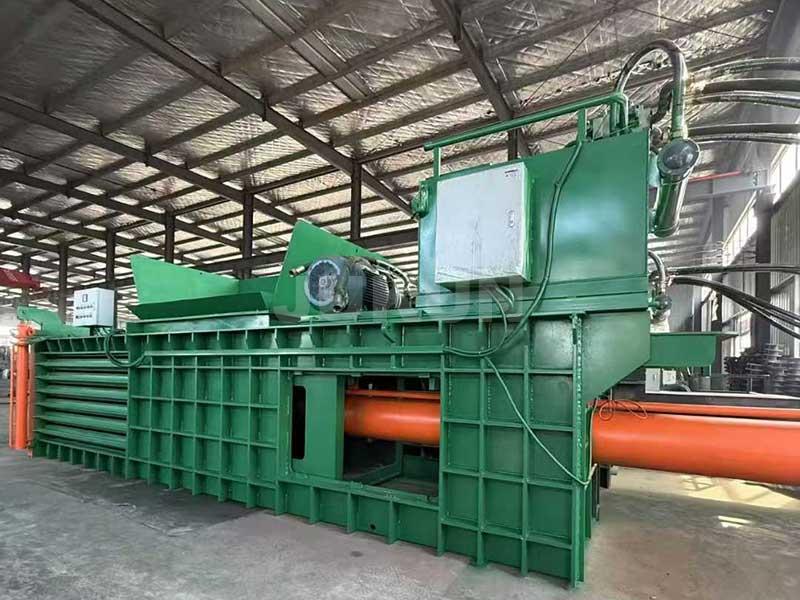
Consider your workflow patterns:
| Operation Scale | Ideal Machine | Cost Comparison |
|---|---|---|
| <5 tons/day | Semi-automatic | 40% lower initial cost |
| 5-8 tons/day | Hybrid system | 15% higher throughput |
| >8 tons/day | Fully automatic | Labor savings = ROI in 14 months |
Recall a metal recycler client last March. They ran two shifts with one semi-automatic baler. Workers took 6-minute breaks every hour. That totaled 96 minutes of downtime daily. An automated baler would have processed 2 tons during those breaks. Calculate your hourly idle losses. Also consider maintenance differences. Automatic systems need more technical support. Do you have onsite engineers? We offer video troubleshooting for overseas clients. Finally, how often do you change materials? Manual balers handle mixed scraps better. Automated lines jam with inconsistent waste.
How Much Does a Horizontal Hydraulic Baler Cost?
Seeing confusing quotes? Clients share wildly different prices weekly. Hidden fees appear later.
Horizontal balers cost $25,000-$200,000+. Actual price depends on motor size, automation, and chamber dimensions. Always demand a complete quote: machine + shipping + duties + installation. Add 20% for auxiliaries like conveyors.
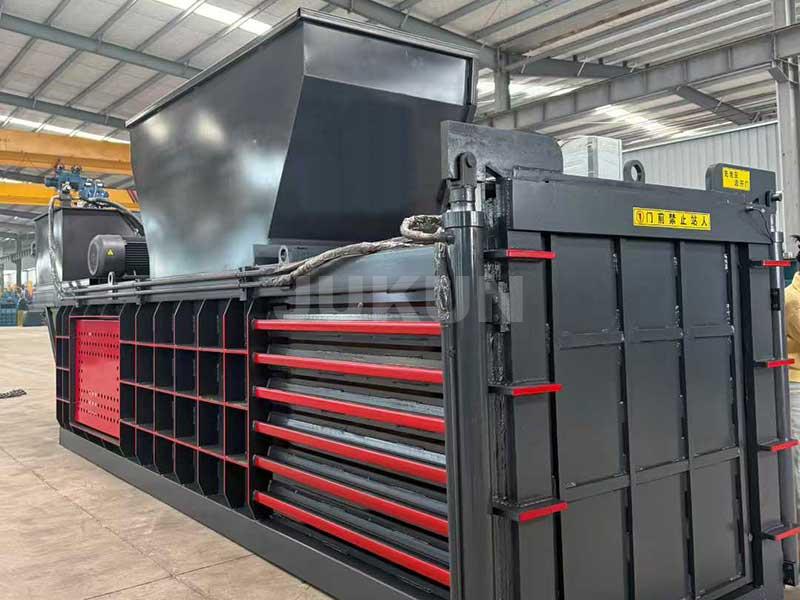
Beware price traps:
Breaking Down True Ownership Costs
Itemize everything upfront. Missing costs destroy budgets:
| Cost Area | Average Expense | Cost Savings Tip |
|---|---|---|
| Base Machine | $35,000-$80,000 | Skip unnecessary automation |
| Shipping | $4000-$15000 | Opt for FOB terms + local freight |
| Import Duties | 5-15% of value | Use HTS code 8479.89.8190 |
| Installation | $2000-$5000 | Train staff via video calls |
| Annual Maintenance | $1500-$5000 | Stock 6 key replacement parts |
I learned from a Canadian buyer’s case. He purchased a $28,000 semi-automatic baler. Surprise charges added $19,000: $8600 shipping, $4200 duties, $3100 wiring upgrades. Totaled $47,000. Always request FOB pricing. Then budget shipping separately. For EU/US clients, consider CE/UL certification costs upfront. Non-compliant machines face border rejection. We include certifications in initial quotes. That saves headaches later.
What Bale Size, Compression Force, and Capacity Do You Need for Your Recycling Operation?
Trucks leaving half-empty? Bales overloading forklifts? Perfect sizing maximizes profits.
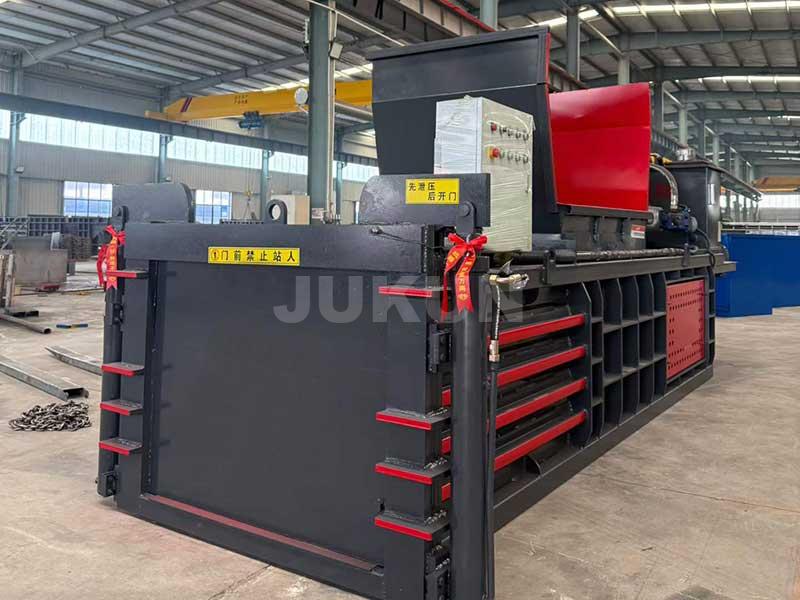
Select bale dimensions matching your transport and storage. Combine with compression force specific to your material’s resistance. Calculate daily capacity including feeding cycles and maintenance time. For cardboard, typical bales are 1100x800x900mm at 800kg.
Coordinate your entire process:
Baling System Design Framework
Avoid these common mismatches:
| Parameter | Cardboard Example | Plastic Bottle Variation |
|---|---|---|
| Bale Size | 1100x800x900mm | Smaller: 800x600x700mm |
| Weight | 500-900kg | Lighter: 300-500kg |
| Compression | 50-60 tons | Higher: 80-100 tons needed |
| Cycle Time | 120-150 seconds | Longer: 180-240 seconds |
| Daily Throughput | 10 tonnes | Lower: 6 tonnes same runtime |
Last year a Canadian recycler ordered a 100T baler for PET bottles. Too strong. Bottles ruptured. Bale quality was poor. Material testing proved 75T was better. Share waste samples with your maker. Also consider bale handling. Will you stack bales three high? Measure your forklift’s max lift height. I saw a warehouse needing 24 bale storage spots per day. With 2 stacks, they needed 4.5m clear height. Their ceiling only had 3.8m. That caused operational chaos. Solve these during the design phase.
Conclusion
Match baler specs directly to your material and operation scale. Test key parameters first, demand transparent pricing, and confirm space/transport needs. Smart choices boost recycling profits.