
I have seen buyers focus on the lowest quotation when sourcing a horizontal baler from China. A low price may look attractive, but poor machine quality, delayed shipments, and weak after-sales support can cost a recycling business far more in the long run.
To choose a reliable horizontal baler manufacturer in China, I recommend checking its factory capabilities, engineering experience, quality control procedures, product specifications, certifications, customization options, and after-sales service. Buyers should compare detailed quotations, verify machine performance, confirm delivery terms, and check compliance with destination-market requirements before placing an order. The best supplier is one that can provide suitable equipment, clear documentation, dependable communication, and long-term technical support at a competitive total cost.
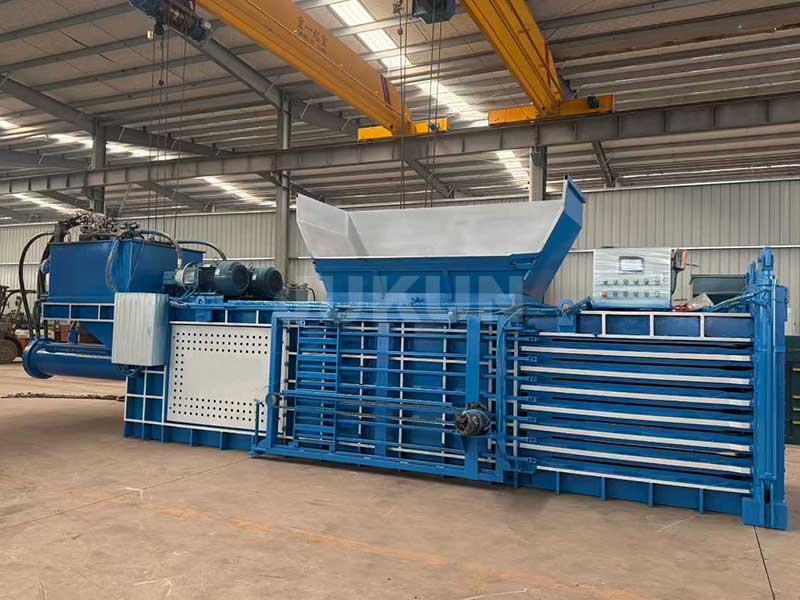
I understand why overseas buyers source recycling equipment from China. Chinese manufacturers offer different types of horizontal hydraulic balers at competitive prices, and many can customize machines for different materials and production needs. But buying from another country also brings concerns about quality, communication, shipping, and technical support. I believe buyers should look beyond a supplier's website and sales promises. I would start by checking the manufacturer's actual production capabilities. Then I would confirm whether its machines, documents, and service commitments match what the supplier promises.
What Should You Look for When Choosing a Horizontal Baler Manufacturer in China?
I believe the first step is to find out whether a supplier can build a machine that fits your operation. A professional-looking website and a low quotation cannot tell you everything about a manufacturer's real capabilities.
When choosing a horizontal baler manufacturer in China, I recommend checking its production facilities, engineering experience, machine range, quality control procedures, and export experience. Buyers should request actual workshop videos, review technical specifications, and confirm that the supplier understands their material type, daily processing volume, available space, and operating conditions.
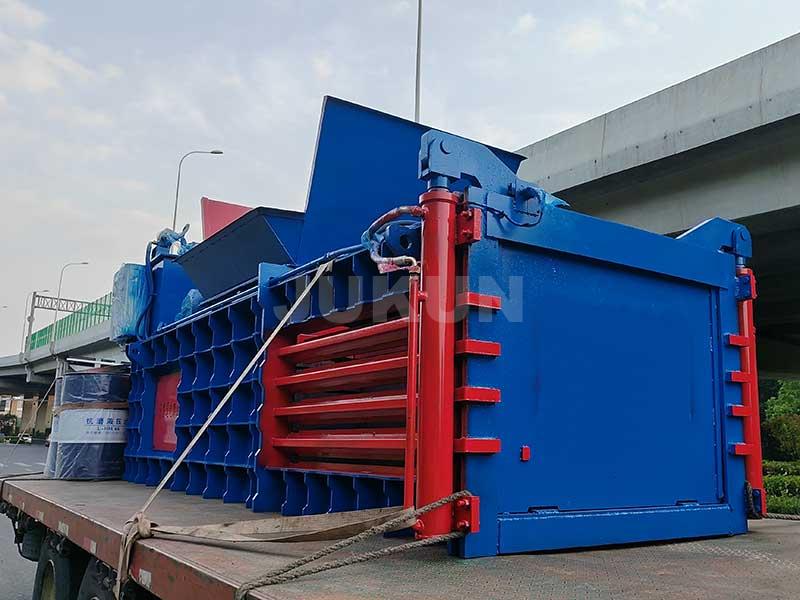
Check the Manufacturer's Actual Production Capabilities
When I evaluate a potential manufacturing partner, I want to understand what the company produces in its own factory. Some suppliers manufacture their own machines, while others purchase equipment from different factories and resell it. Both business models exist, but buyers should know which type of supplier they are dealing with.
I suggest asking for recent workshop videos, machine assembly photos, and a live video call from the factory. These steps can help you understand the company's production setup and see whether its claims match the available evidence. I would also ask about the company's main products, production process, and experience with export orders.
I believe the machine range is another useful point to check. A manufacturer that offers semi-automatic and fully automatic horizontal balers may provide more options as your recycling business grows. Some buyers need a simple machine for moderate volumes, while others need automatic feeding and bale tying for continuous operation. I would ask the supplier to explain the differences between these configurations instead of recommending the most expensive model immediately.
Evaluate Technical Knowledge Before Discussing the Final Price
I believe a good manufacturer should ask questions before recommending a machine. A buyer processing waste cardboard may need a different feeding system from a facility handling PET bottles or plastic film. The right configuration depends on the material, required throughput, bale specifications, and available operating space.
I would expect the supplier to discuss these points:
- Material type: Can the machine handle the waste material I process?
- Daily throughput: How many tons do I need to process per day?
- Compression force: Does the proposed machine suit the material and required bale density?
- Feeding system: Do I need manual feeding, a conveyor, or an automatic feeding system?
- Bale specifications: What bale dimensions and weight do I need for storage and transport?
- Operating conditions: Does the machine match my available floor space and electrical supply?
I would also ask the manufacturer to explain why it recommends a particular configuration. A supplier that understands the application should be able to explain its choices in simple terms. I would be cautious if the sales representative recommends a machine without asking about the material or expected workload.
Compare Quality Control Procedures
I believe buyers should ask how a manufacturer checks machine quality before shipment. I would want to know how the factory inspects the hydraulic system, electrical controls, structural components, safety devices, and finished machine operation.
I would also request a pre-shipment inspection and ask whether the manufacturer can provide operating videos and inspection records. For a large order or a customized machine, I would consider using an independent inspection company. I would make sure the inspection covers the specifications agreed in the purchase contract.
I do not think buyers should select a supplier based on its lowest price alone. A machine that fits the application, performs consistently, and comes with clear technical support can offer better long-term value. I would compare the manufacturer's actual production evidence with its promises before making a final decision.
How Much Does a Horizontal Baling Machine Cost from a Chinese Manufacturer?
I know price is an important part of every purchasing decision. Importers need a competitive purchase price to protect their profit margins, but a low quotation does not always mean a lower total cost.
The price of a horizontal baling machine from a Chinese manufacturer depends on compression force, processing capacity, automation level, hydraulic components, feeding equipment, bale specifications, and customization requirements. Buyers should also include packaging, ocean freight, import duties, installation, spare parts, and maintenance when comparing suppliers. I recommend requesting itemized quotations based on the same technical requirements to identify the most cost-effective machine for your business.
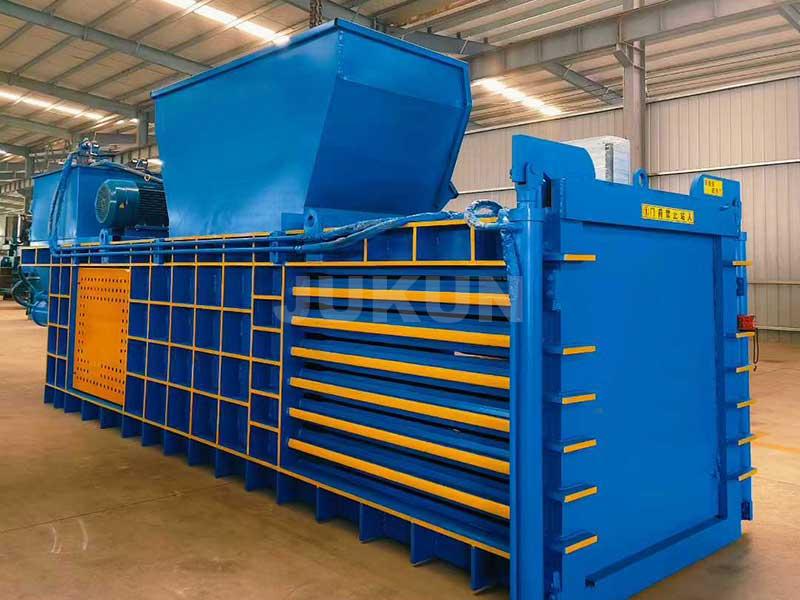
Understand What Affects the Machine Price
When I prepare or review a horizontal baler quotation, I consider the complete machine configuration rather than one headline price. Two machines may look similar in product photos but have different hydraulic components, motor power, control systems, feeding arrangements, and production capacities.
A semi-automatic horizontal baler often has a lower initial price than a fully automatic system. A fully automatic machine may include conveyor feeding, automatic bale tying, and additional controls. These features can reduce manual work, but they also affect the initial investment and maintenance requirements.
| Cost factor | What I recommend checking |
|---|---|
| Compression force | Confirm the required force for your material and application. |
| Processing capacity | Check the expected hourly or daily throughput under realistic conditions. |
| Automation level | Compare manual, semi-automatic, and fully automatic configurations. |
| Hydraulic components | Confirm the specifications and origin of key components where relevant. |
| Feeding equipment | Check whether conveyors, hoppers, and other auxiliary systems are included. |
| Bale specifications | Confirm bale dimensions, expected weight, and tying requirements. |
| Customization | Ask which modifications are included and which cost extra. |
| Electrical system | Confirm voltage, frequency, controls, and applicable safety requirements. |
I recommend asking every supplier to quote against the same technical specification. If one supplier includes a conveyor and another does not, their prices are not directly comparable. I would also confirm whether the quotation includes the hydraulic power unit, electrical control cabinet, safety devices, bale tying mechanism, and other equipment required for the agreed operating configuration.
Calculate the Total Cost of Ownership
I would not judge a horizontal baler purchase by the machine price alone. International buyers may also need to pay for export packaging, ocean freight, insurance, customs clearance, import duties, installation, and electrical integration. These costs can change the final investment considerably.
Maintenance and labor costs matter too. A machine that requires more manual handling may increase operating expenses in a busy recycling facility. A more automated model may reduce labor needs, but the actual savings depend on material volume, local wages, and operating hours. I would avoid accepting general claims about labor savings without checking how they apply to my operation.
Before making a decision, I would compare at least three quotations and list the included equipment and excluded costs. I would also ask each manufacturer about recommended spare parts, routine maintenance, warranty coverage, and expected service requirements.
For example, if I were buying equipment for a Canadian recycling business, I would confirm the destination port, electrical requirements, unloading arrangements, and local installation costs before approving the order. I would also check whether the delivery terms clearly explain which party is responsible for freight, insurance, and customs-related costs. This process gives me a clearer view of the investment and helps me avoid unexpected expenses after the machine arrives.
What Certifications and Quality Standards Should a Reliable Baler Supplier Meet?
I believe certification checks are essential when importing industrial machinery. A supplier's claim that its equipment is certified does not automatically prove that the specific machine meets the requirements of the destination market.
A reliable horizontal baler supplier should identify the safety, electrical, and documentation requirements that apply to the machine and its destination market. Buyers should verify relevant certificates, declarations of conformity, technical documents, model details, and safety features before production and shipment. I also recommend checking the issuing organization and confirming that the documents apply to the actual machine being purchased.

Verify Documents for Your Destination Market
I recommend starting with the rules that apply where the machine will be installed. Requirements can differ between Canada, the United States, the European Union, and the United Kingdom. A document accepted in one market may not satisfy the requirements of another.
For European buyers, I would check the applicable machinery safety legislation, conformity assessment requirements, and CE marking documentation. The exact requirements depend on the machine design and the rules in force when the equipment is placed on the market.
For Canadian and US buyers, I would discuss electrical equipment approval, control panel requirements, machine guarding, and workplace safety expectations with the manufacturer and relevant local professionals. I would not assume that CE marking alone satisfies every North American requirement.
I would also ask the supplier to identify the exact machine model covered by each document. If a certificate applies to a different product or configuration, it may not provide the evidence I need. For customized equipment, I would confirm whether changes to the electrical system, controls, or safety features affect the original documentation.
Check the Validity and Scope of Certificates
I believe buyers should verify documents instead of accepting a PDF at face value. I would check the issuing organization, document number, model information, scope, and validity where applicable. I would also confirm whether the document is a genuine certificate, a declaration issued by the manufacturer, or another type of technical record.
These documents serve different purposes. A manufacturer's declaration is not the same as an independent certificate, and neither should be treated as proof of compliance with every requirement in every country. I would ask the supplier to explain the difference and provide supporting information where necessary.
I would ask the manufacturer to provide relevant technical information, such as:
- A risk assessment or other required safety documentation.
- Electrical drawings and control system details.
- Information about emergency stops and machine guarding.
- Applicable conformity declarations and supporting documents.
- Operating instructions and maintenance manuals.
- Details of any additional inspection or approval needed before installation.
I would confirm these requirements before paying a deposit. If a supplier cannot explain the documents or refuses to clarify which machine they cover, I would treat that as a reason to investigate further.
I also recommend putting the agreed safety features and documentation requirements in the purchase contract. This gives both parties a clear reference before manufacturing begins and can help prevent disputes during delivery or installation.
How to Verify a Chinese Hydraulic Baler Manufacturer's Experience, Customization, and After-Sales Service?
I believe the real test of a manufacturer starts before the order and continues after the machine arrives. A supplier may offer an attractive quotation, but buyers also need evidence of experience, realistic customization options, and dependable technical support.
To verify a Chinese hydraulic baler manufacturer's experience and service, I recommend reviewing relevant project references, requesting recent factory and machine videos, and arranging a live video inspection or independent factory audit. Buyers should confirm customization details in writing and check warranty terms, spare-parts availability, remote troubleshooting, installation support, and delivery commitments before placing an order.
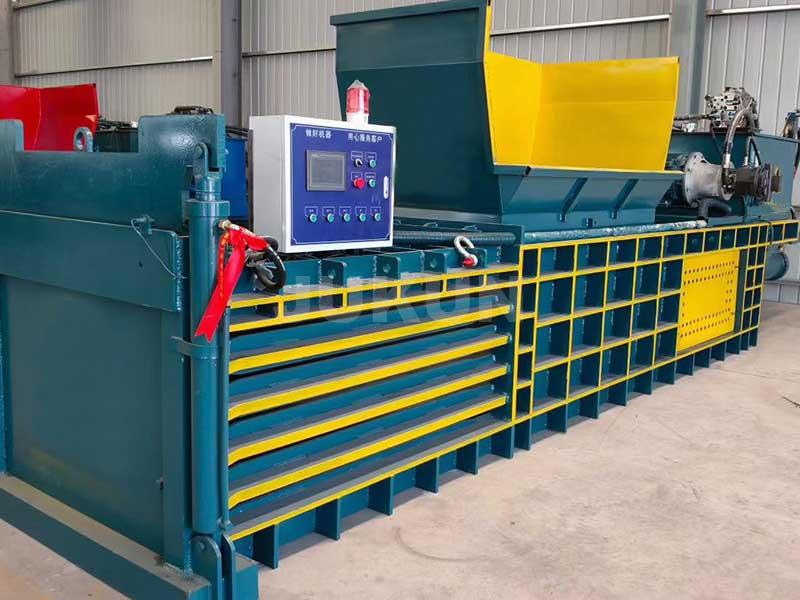
Verify Experience with Similar Recycling Applications
When I evaluate a manufacturer's experience, I look for evidence that it has supplied machines for similar materials and operating conditions. A factory that understands waste cardboard may still need to assess different feeding and compression requirements for PET bottles or plastic film.
I would request recent machine photos, operating videos, and project references where the customer has agreed to share them. If possible, I would arrange a live video call to see the factory, inspect a machine, and ask the engineering team direct questions. I would also check whether the supplier can explain the limits of its equipment. Every machine has operating limits, and a reliable supplier should be willing to discuss them rather than promise that one model can handle every application.
For a customized machine, I would ask for a written technical proposal that covers the material, target throughput, bale dimensions, feeding arrangement, electrical requirements, and expected operating process. This document helps both sides confirm the scope before manufacturing starts.
I would also ask whether the manufacturer has experience exporting to my country or similar markets. Export experience can help the supplier understand packaging, shipping documents, electrical differences, and common import requirements. I would still verify each claim rather than treating years in business as proof of quality.
Confirm Customization Details Before Production
I know recycling facilities rarely have exactly the same needs. Available floor space, material storage, labor arrangements, and downstream transport can all affect machine selection.
I would discuss possible changes to the hopper, conveyor, compression chamber, hydraulic system, control panel, or bale discharge arrangement. I would also ask the manufacturer to explain the effect of each change on machine performance, price, and delivery time.
I would not rely on a general promise that the factory can customize everything. I would ask for drawings, a written specification, and confirmation of the agreed options before production begins. If a modification affects the machine's capacity or safety system, I would ask the engineering team to explain the effect clearly.
This matters because a small misunderstanding can create a costly problem after delivery. For example, a machine that does not match the site's electrical supply or available installation space may require extra work before it can operate. I would rather resolve those details during the design stage than pay to correct them later.
Evaluate After-Sales Service and Delivery Commitments
I believe after-sales service deserves the same attention as machine quality. A production problem can affect a recycling company's daily work, and overseas buyers may not be able to send a technician to the factory whenever an issue occurs.
Before ordering, I would ask the manufacturer to clarify the warranty period, spare-parts availability, remote troubleshooting process, installation guidance, and technical response arrangements. I would also ask which parts are recommended for the initial spare-parts package. These details can help me plan for routine maintenance and reduce avoidable downtime.
I would confirm the production schedule, inspection date, shipment arrangements, and required export documents in writing. If the machine must arrive before a busy sales period, I would discuss the deadline early and ask the supplier to identify the risks that could affect delivery.
I would also agree on how the factory will demonstrate that the machine meets the contract before shipment. Depending on the order, this could include an operating test, inspection photos, videos, or a third-party inspection. I would keep the approved specifications and inspection results as part of the purchase records.
At Jukun, we have more than 20 years of experience in recycling equipment manufacturing. We produce horizontal hydraulic balers, vertical balers, and metal balers for different recycling applications. I believe clear communication, suitable machine configurations, and careful attention to technical requirements are important parts of building long-term relationships with overseas buyers.
For me, a reliable manufacturer is not simply a company that can ship a machine. It is a company that can explain its recommendations, document its commitments, and help the buyer understand what to expect before and after delivery.
Conclusion
I recommend choosing a Chinese horizontal baler manufacturer based on verified production capabilities, suitable machine specifications, valid compliance documents, transparent pricing, and dependable after-sales support—not purchase price alone.