
Warehouses drown in cardboard daily. Labor shortages bite deeper. I've seen facilities waste $78,000 yearly on manual baling. Automation stops the bleeding.
Fully automatic horizontal balers cut labor needs by eliminating manual feeding, compression, and bale handling. One operator supervises multiple machines continuously - slashing staffing costs, boosting output, and reclaiming valuable floor space in busy distribution centers.
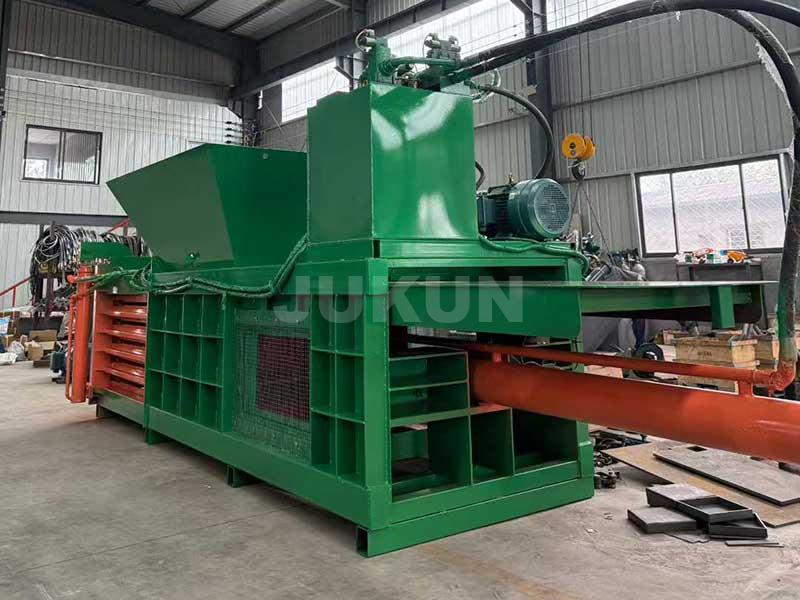
Our customer transformed productivity recently. His facility processed 50% more goods with same staff after installing these systems. The savings were remarkable.
How Does a Fully Automatic Horizontal Baler Work?
Manual balers bottleneck operations daily. Workers wait at machines hourly. Automation streamlines everything efficiently.
Material enters via conveyor automatically. Hydraulic compression prepares bales silently. Auto-tiers secure bundles perfectly. Finished bales eject without human contact ever.
The Four Automation Pillars
These systems eliminate touchpoints:
-
Smart feeding systems
Conveyor belts with weight sensors feed cardboard continuously into the chamber at optimal rates. -
Intelligent compression control
PLC monitors material density. It adjusts hydraulic pressure instantly avoiding underfilled bales. -
Precision tying mechanisms
Robotic arms install wires or straps reliably in seconds per bale regardless of size. -
Autonomous discharge sequences
Finished bales slide onto waiting pallets through precisely timed trapdoor openings.
Unlike manual systems needing constant breaks for tying, these machines run eighteen-hour shifts uninterrupted at our facility. Production never pauses.
How Can Fully Automatic Balers Reduce Labor Costs and Increase Productivity?
Wasted worker hours cost more than equipment. I calculated one warehouse losing $37 hourly having staff hand-tie bales.
Automation removes manual tasks entirely. One employee controls several machines supervising cardboard recycling while focusing on core warehouse duties improving business productivity significantly.

The Three-Sided Labor Reduction
Evidence confirms dramatic savings:
| Facility Type | Before Automation | After Automation | Yearly Saving |
|---|---|---|---|
| E-commerce Center | 6 staff dedicated | 1 staff partial | $312,000 |
| 3PL Warehouse | 4 staff full-time | 0.5 staff shared | $188,400 |
| Retail Distribution | 3 staff rotating | Machine monitoring | $142,000 |
Our Australian client documented productivity jumps too. Staff handled 11 tons hourly versus 3 tons before. Volume capacity increased massively without more workers.
Safety improves drastically avoiding lifting injuries. Workers appreciate moving from physically demanding tasks to supervisory roles typically.
Which Logistics and Warehousing Businesses Benefit Most from Automatic Horizontal Balers?
Cardboard volumes explode today. Space evaporates rapidly. Not every facility needs industrial automation though.
E-commerce hubs, major distributors, and busy manufacturing warehouses gain most from these systems because they generate constant bulk waste needing high-volume automated processing without interruptions.
!
Priority Implementation Targets
Focus where volumes justify investment:
-
E-commerce giants
Process daily:- 8,000+ orders
- 12+ tons cardboard
Automated trailers load bales directly
-
Third-party logistics operators
Multi-client facilities bale:- Various packaging types
- 24/7 shifts
No scheduling conflicts
-
Retail distribution centers
Seasonal peaks handled gracefully
Holiday rushes absorbed easily -
Packaging manufacturers
Scrap recycling integration
Immediate waste reprocessing
Avoid installations where daily volume stays below three tons. Our auditing division evaluates facility needs before recommending solutions preventing unsuitable investments.
How to Choose the Best Fully Automatic Horizontal Baler for Your Warehouse?
Rushed purchases create expensive regrets. I've seen machines collecting dust from improper sizing. Precise matching brings real savings.
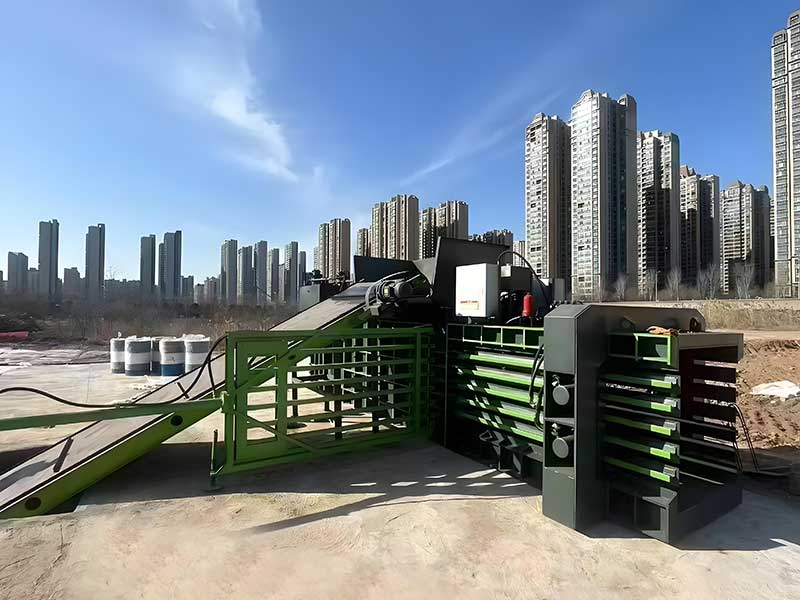
Select units based on your peak hourly volume plus buffer capacity. Consider conveyor integration needs, hydraulic durability, and future expansion plans carefully for smooth operations.
The Selection Checklist for Buyers
Essential considerations:
-
Peak volume testing
Calculate maximum hourly cardboard generation during promotional events accurately. -
Flow integration planning
Design conveyor paths connecting:- Unpacking stations
- Sorting areas
- Loading docks
-
Machine component audit
Demand hydraulic systems meeting:- ISO viscosity standards
- 130% overload capacity
- Smart thermal protection
-
Automation compatibility
Ensure PLC communicates with:- Warehouse management systems
- Production scheduling software
- Maintenance alert platforms
-
Growth provision
Choose models allowing:- Pressure upgrades
- Speed adjustments
- Bale customization
Visit active installations first. A Brazilian facility tested three brands before selecting optimal throughput. Demonstration results trump brochures always.
Conclusion
Automatic horizontal balers optimize warehousing by slashing labor needs and increasing productivity simultaneously.