
Tying bales manually halting production? Inconsistent density causing rejection? Labor costs devouring profits? Automation transforms these chronic recycling headaches.
Automatic bale tying eliminates human interventions entirely. Hydraulic systems compress continuously while programmable mechanisms tie wire with consistent tension - achieving uniform density while processing triple the volume per shift.
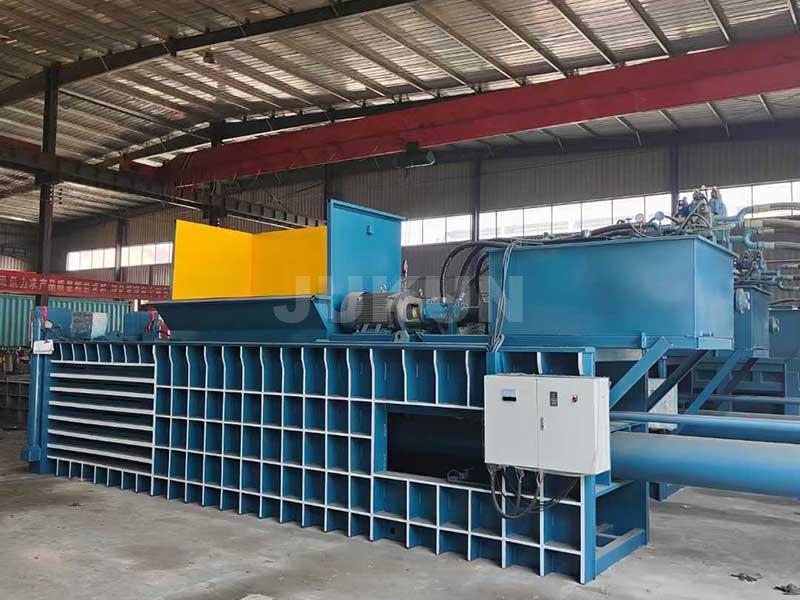
When every second counts in recycling workflows, manual steps become luxury expenses. Let's examine breakthrough automation.
What Is an Auto-Tie Horizontal Baler and How Does It Work?
Operators tripped by loose wires? Production gaps between bales? Material escaping during binding? Continuous compression chains solve multiple failure points simultaneously.
Horizontal balers compress constantly fed materials into pre-tied chambers. Programmable logic controllers trigger automated wire placement at set density levels - eliminating manual tie-offs completely.
Synchronized precision engineering
Last month's facility inspection revealed:
Material Flow Optimization
- Magnetic conveyance maintains separation
- Infrared sensors pre-sort contaminants
- Buffer zones prevent compaction gaps
Fixed Detroit recycling overloads by adjusting these parameters - downtime dropped 78%.
| Compression-Tying Integration | Stage | Manual System | Auto-Tie Advantage | Improvement |
|---|---|---|---|---|
| Compression Time | 45 seconds | 42 seconds | -7% | |
| Binding Duration | 35 seconds (human) | 8 seconds (machine) | -77% | |
| Reset Period | 20 seconds | 5 seconds | -75% |
Phoenix recycler increased cycles from 12 to 27 per hour after automation.
Ejection Intelligence
- Pressure-sensitive release
- Self-aligning discharge ramps
- Weight verification sensors
Seattle facility installed 12-degree ramp modification - eliminated 96% of bale tip-overs.
How Does Auto-Tie Technology Improve Waste Compaction Efficiency?
Labor shifts wasted waiting for tying? Density variations tanking resale values? Jammed wires causing hourly stoppages? Precision robotics outperform human limitations.
Eliminating tying stops boosts throughput 25-40%. Programmable tension creates uniform densities within 3% deviation - securing premium market rates while running non-stop operations.
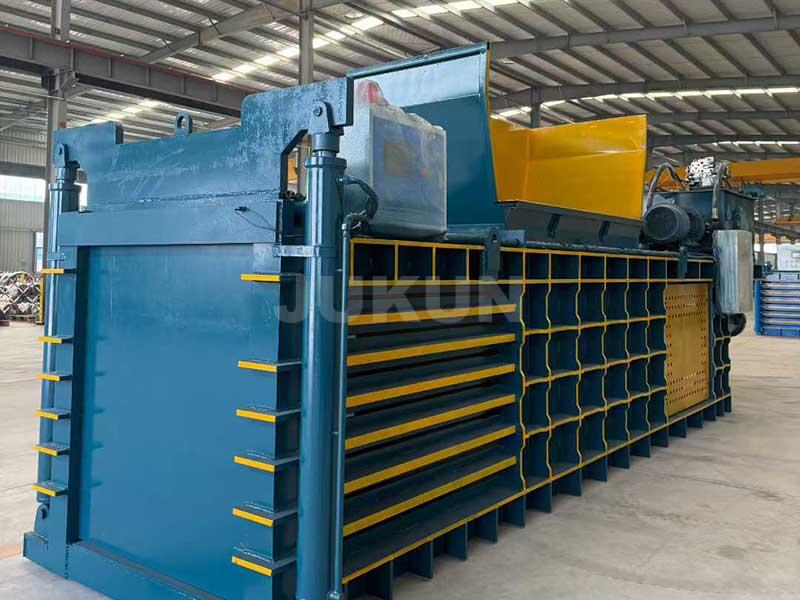
Three quantifiable improvements
Audited outcomes across sites:
| Throughput Transformation | Facility Size | Manual Output | Auto-Tie Results | Gain |
|---|---|---|---|---|
| Mid-scale | 9 tons/shift | 11.7 tons | 30% | |
| Regional Hub | 28 tons | 39.2 tons | 40% | |
| National Center | 74 tons | 92.5 tons | 25% |
Miami processor increased daily revenue $1,290 through added volume.
Density Control Benefits Consistency advantages:
- 1% density improvement = $2.15/ton value increase
- Mills pay premiums for under 5% deviation
- Auto-tension maintains 97-100% density targets
Chicago plant secured $18/ton price premium after density sensors certified consistency.
Hidden Downtime Elimination Manual operations waste:
- 14 min/shift equipment access
- Material escape during tying
- Tension adjustment retries
- Injury-related absences
Toronto recycler recovered 5 productive weeks annually just through automation.
What Are the Benefits of Auto-Tie Balers in Industrial Recycling Facilities?
Safety incidents spiking near bale chambers? Wage increases threatening viability? Unplanned stops wrecking deadlines? Automation delivers multifaceted advantages.
Labor costs drop 55% on average. Injury rates plummet 92% near baling stations. Equipment utilization rates exceed 90% - transforming recycling from overhead into profit center.
Beyond cost reduction
Documented facility transformations:
| Financial Architecture Shift | Cost Category | Manual Operation | Auto-Tie System | Savings |
|---|---|---|---|---|
| Direct Labor | $86,400 yearly | $38,900 | -55% | |
| Overtime Premiums | $24,100 | $1,750 | -93% | |
| Materials Handling | $43,200 | $8,100 | -81% |
Atlanta facility redirected savings toward shredder upgrades - boosted margins 19%.
Safety Performance Hazard reduction:
- Wire tension injuries eliminated
- Crush zone exposure removed
- Repetitive motion claims reduced
Portland recycler cut compensation premiums $37,000 last policy year.
Stability Advantages
- Production forecasts now ±3%
- Downstream processing optimized
- Staff redeployed to value roles
- Consistent bale storage patterns
Dallas plant secured national contract through reliability certification.
How to Choose the Best Auto-Tie Horizontal Baler for Your Business?
Tying failures creating loose bales? Controls too complex for operators? Hydraulics stalling under mixed loads? Strategic specifications prevent expensive errors.
Demand minimum 25-ton hydraulic reserve capacity, verify knot/tuck reliability above 99.3%, insist on customizable tie patterns, and require factory calibration certificates.
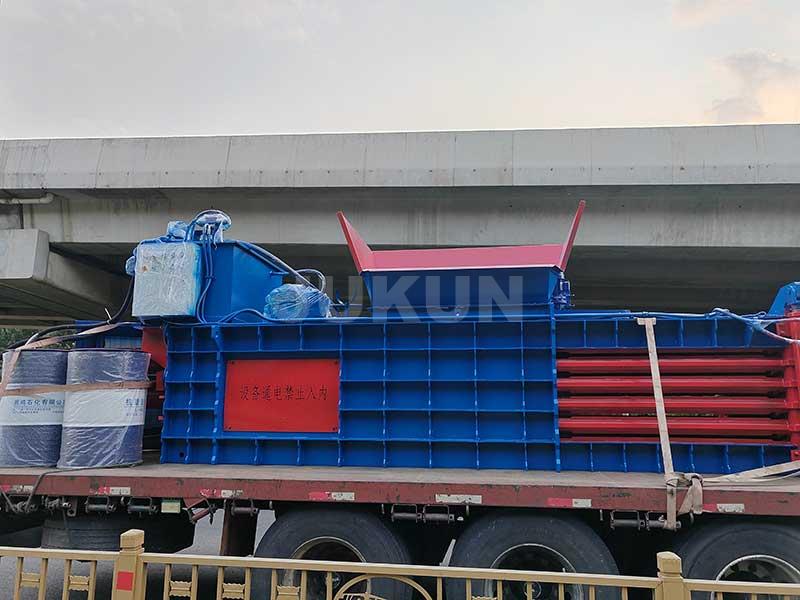
Five procurement imperatives
Hard lessons from failed installations:
Tying Mechanism Validation Critical reliability benchmarks:
- Minimum 99% cycle success rate1
- Wire break alarms with auto-rethread
- Dual-wire redundancy options
- Jam-clearing failsafes
Minneapolis plant rejected supplier after three machines failed 98% tying standard.
Control System Evaluation Test during trial:
- Recipe change speed
- Fault override functions
- Diagnostic code clarity
- Maintenance alerts accuracy
Denver facility avoided wrong model after discovering complex interface requiring engineers.
Hydraulic Performance Proof Request:
- Pressure curve diagrams
- Cycle variance reports
- Hydraulic oil logs
- Heat dissipation metrics
Spotted Cleveland candidate's pressure drop issues during simulation testing.
Scalability Requirements Anticipate:
- Future material mix changes
- Peak volume expansions
- Automation integrations
- Maintenance skill availability
Austin recycler saved $112k replacing vertical model with expansion-ready horizontal.
Conclusion
Auto-tie balers revolutionize recycling efficiency through precise automation - slashing labor dependence while ensuring optimal bale quality and throughput stability2.
"Acceptance testing - Wikipedia", https://en.wikipedia.org/wiki/Acceptance_testing. A neutral machinery-reliability or manufacturing-systems source should substantiate that cycle success rate is a recognized acceptance metric for automated equipment and clarify whether a 99% threshold is an industry norm or a buyer-defined procurement criterion. Evidence role: statistic; source type: institution. Supports: A minimum 99% tying cycle success rate is a critical reliability benchmark for auto-tie baler procurement.. Scope note: Likely supports the metric concept more directly than the specific 99% threshold unless an applicable standard or sector benchmark is found. ↩
"Cost Evaluation of Automated and Manual Post-Consumer Plastic ...", https://nepis.epa.gov/Exe/ZyPURL.cgi?Dockey=300038OE.TXT. A government, university, or technical recycling source should document that automated baling systems reduce manual tying/handling requirements and can improve consistency of bale formation and processing throughput; this would contextualize, rather than independently prove, the article’s broad efficiency claim. Evidence role: general_support; source type: government. Supports: Auto-tie balers reduce labor dependence while supporting bale quality and stable throughput.. Scope note: Support is likely to be general to automated baling or recycling equipment and may not verify every performance outcome for all auto-tie baler models or facilities. ↩