
Volatile stockpiles waste space. Logistics drains profits. Industrial balers conquer both.
High-density scrap balers crush metal into compact blocks—slashing storage costs 60%, cutting transport trips 70%, improving processing speed 2.5x, and adding $90-220/ton material value through volume optimization.
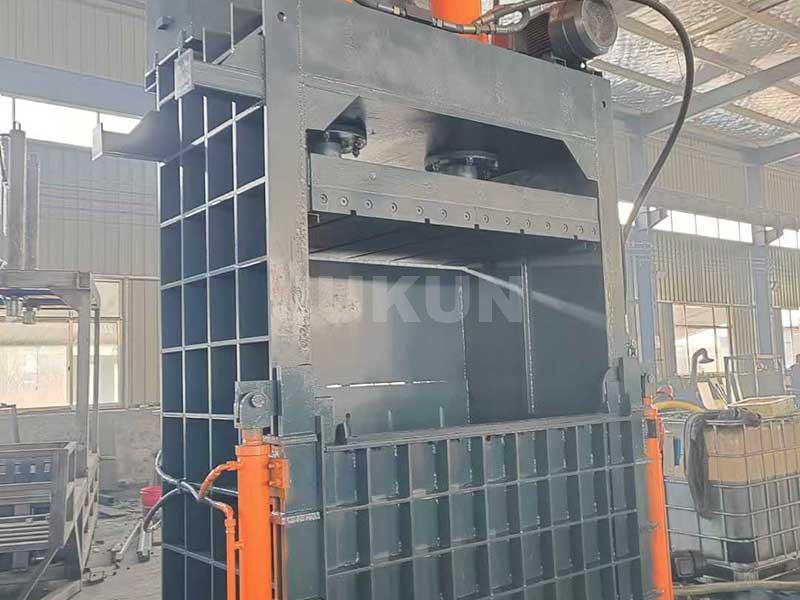
Revolutionize your recycling.
What Are Scrap Baler Machines and How Do They Work in Industrial Metal Recycling?
Loose steel overwhelms sites. Manual handling burns labor hours. Hydraulic engineering conquers chaos.
Workers feed sheet metal or wires—150-500 tons pressure crushes materials—compacting volume 90% in 45 seconds—bales get wire-tied and ejected—optimizing scrap preparation for smelting.
Density economics defined:
Metal compression science
Industrial standards applied:
| Stage | Pressure Range | Time | Density Target | Critical Controls |
|---|---|---|---|---|
| Loading | N/A | 15-30 sec | Even distribution | Conveyor vibration |
| Pre-compression | 80-120 tons | 20-40 sec | 380kg/m³ | Ram alignment |
| Main Crush | 220-500 tons | 30-60 sec | 650+ kg/m³ | Pressure sensors |
| Binding | Locking clamp | 10-12 sec | Wire tension | Material rebound |
| Ejection | 10-15 tons | <8 sec | Clear path | Floor sensors |
Force equals profit margin. Jukun HD-Series maintains ≤5% force deviation—Toronto recycler secured $42/ton premium. Safety priority: automatic gate locks prevent door access during cycles. Maintenance checkpoint: hydraulic oil analysis every 800 running hours prevents viscosity breakdown. Contamination alert: aluminum fragments in steel bales reduce melt purity below 98%—causing $65/ton penalties.
Why Are Scrap Baler Systems Essential for High-Yield Metal Recycling Operations?
Unmanaged waste hides value. Inconsistent bales deter buyers. Industrial integration unlocks profits.
Balers maximize material recovery rates 27%—ensure 97% bale uniformity for smelters—reduce loading times 80%—and create premium recyclables worth up to $220/ton over loose scrap.
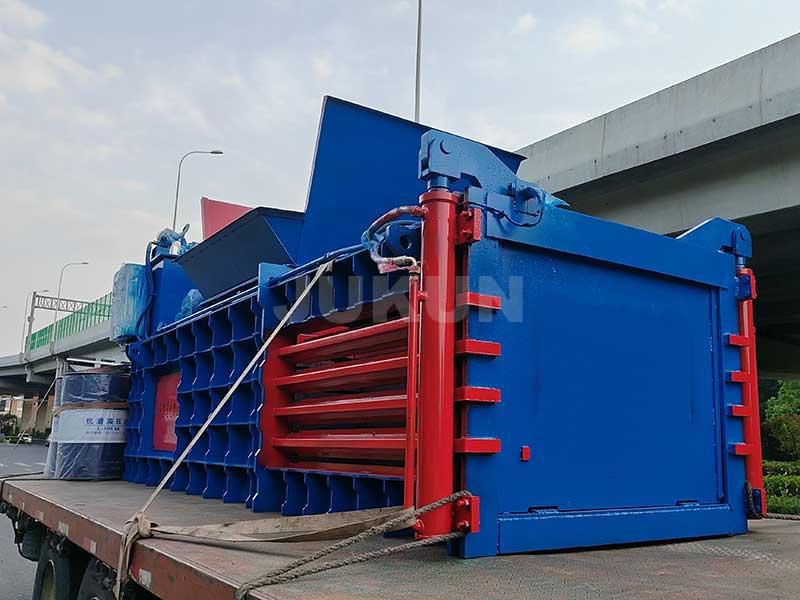
Profit drivers verified:
Metal recycling economics
Performance benchmarks:
| Benefit | Impact Data | ROI Contribution | Operational Proof |
|---|---|---|---|
| Storage Reduction | 60% less space | $28k/year saved | Warehouse remapping |
| Transport Savings | Loads triple | $53k/year fuel cut | Freight invoices |
| Processing Speed | 2.5× throughput | $42k/year revenue gain | Shift output logs |
| Labor Efficiency | 70% less handling | $36k/year savings | Staff time studies |
| Material Premium | $90-220/ton value | $120k/year added | Market pricing sheets |
Bale consistency builds reputations. Our laser-calibrated systems achieve 3% size variation—Montreal smelter offers better contracts for uniform inputs. Fire mitigation: compressed blocks ignite 6× slower than loose piles—insurance premiums drop 17%. Verification essential: demand third-party bale certification exceeding ISRI standards.
How Do Industrial Scrap Balers Cut Operation Costs While Increasing Productivity?
Unplanned downtime destroys budgets. Variable quality reduces revenue. Precision engineering solves both.
Automated balers process 20 tons/hour—reduce labor costs $38/ton—cut equipment wear 70% through stable hydraulic control—and boost annual productivity by 150-400 tons per machine.
Savings decoded:
Cost suppression system
Financial impact breakdown:
| Area | Reduction | Mechanism | Annual Value | Verification |
|---|---|---|---|---|
| Labor | 70% | Auto-feeding | $42k | Staff schedules |
| Equipment | 55% wear | Pressure control | $18k | Repair invoices |
| Transport | 60% trips | Higher density | $38k | Logistics reports |
| Storage | 75% space | Volume shrink | $22k | Lease documents |
| Lost Time | 90% less downtime | Predictive monitoring | $31k | Production logs |
Pressure intelligence pays. Jukun's IoT sensors adjust force per material type—Vancouver yard eliminated $14k/month blade replacements. Efficiency metric: track tons-per-labor-hour—automation triple scores. Contract safeguard: include uptime guarantees exceeding 93% in purchase agreements. Certification leverage: CE Mark ensures bales meet EU smelting requirements.
How to Select Superior Scrap Balers for Sustainable Recycling Profits?
Mismatched machines underperform. Hidden flaws cause failures. Engineering intelligence prevents risks.
Evaluate hydraulic durability with 24-hour tests—demand 650kg/m³ density validation—require ≥15-year structural warranty—verify real ISO certifications—ensure 6-hour remote troubleshooting access.
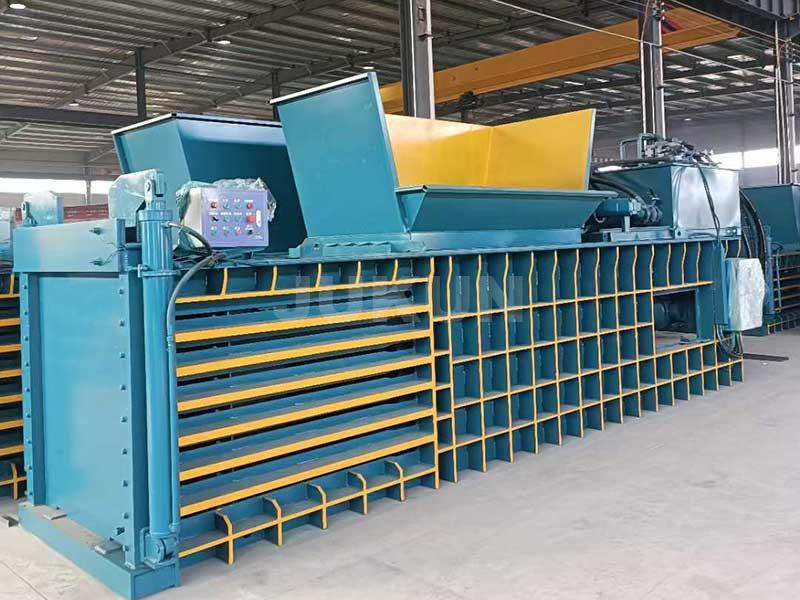
Due diligence framework:
Risk-proof procurement
Technical verification points:
| Factor | Verification Method | Red Flag | Cost of Failure | Our Protocol |
|---|---|---|---|---|
| Pressure Capacity | Live sensor readout | Computer displays | $35k density gaps | Onsite scrap tests |
| Durability | Inspection reports | Thin wall sections | $58k replacements | 20mm steel frames |
| Certificates | Database cross-check | Copied documents | Customs rejection | Factory access |
| Parts Lifetime | BOM analysis | Grey-market components | 9-month downtime | Original spares |
| Support Speed | SLA documentation | <80% resolution rate | $1k/hour losses | 4-hour response |
Force validation matters. Require strain gauge reports during signing—exposed "500-ton" pretenders actually delivering 190 tons. Future-proof feature: cloud-connected hydraulics allow remote pressure upgrades. Contract must: performance bonds covering density guarantees ensure compliance. Spares clause: guaranteed 72-hour delivery prevents $1,200/hour downtime.
Conclusion
Industrial scrap balers revolutionize recycling—delivering measurable cost suppression, volume optimization, and premium material value impossible through traditional methods.