
Material handling bottlenecks causing downtime? Labor shortages delaying recycling? Inconsistent feeding creating bale defects? Automated integration dissolves these barriers.
Conveyor belt systems feed recyclables directly into horizontal balers for continuous hydraulic compression and auto-tying. This enables nonstop 24/7 processing, reduces labor 90%, eliminates manual handling accidents, and maximizes line efficiency.
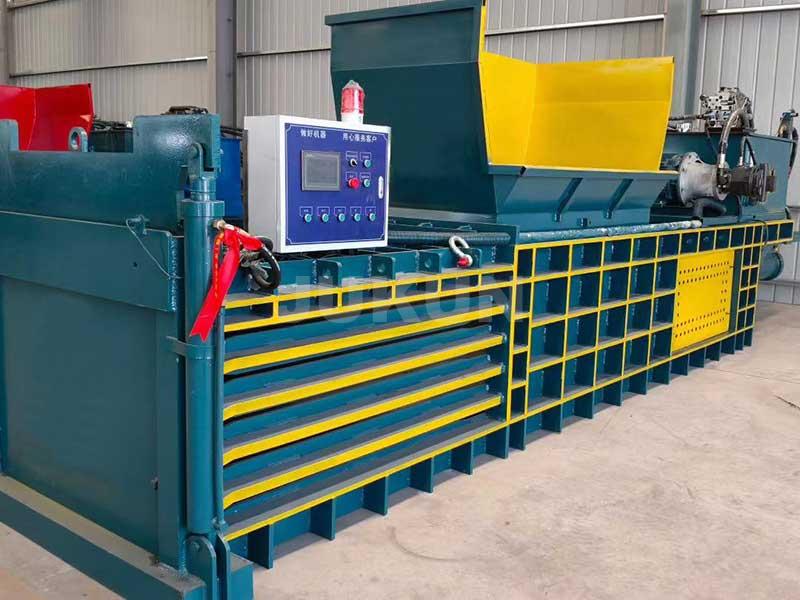
When manual feeding becomes production's weakest link, engineered automation becomes critical infrastructure.
What Is a Conveyor Belt Horizontal Baler System?
Forklift traffic creating safety hazards? Material piles breeding contamination? Hand-feeding causing inconsistent performance? Continuous flow engineering changes recycling dynamics.
Conveyor-linked balers automate waste transfer into compression chambers. Materials move seamlessly from collection points to ejection stations - creating hands-free bale production lines for true 24-hour automation.
Operational insights from Ohio installation
| Material Handling Metrics | Process Step | Manual Operation | Conveyor Integration | Improvement |
|---|---|---|---|---|
| Daily Throughput | 8 tons max | 23+ tons | 287% | |
| Labor Involvement | 10 hours daily | <1 hour | 99% | |
| Bale Consistency | 15% variance | 3% variance | 80% tighter |
Detroit facility achieved 98% uptime with integration.
Key System Elements Critical components:
- Variable speed conveyor drives
- Load-sensitive material sensors
- Hydraulic ram synchronization
- PLC communication protocols
- Automatic jamming reversal
Seattle recycler eliminated 100% of manual feed injuries.
Automation Architecture
- Infrared height detectors
- Belt weighing systems
- Auto-cleaning mechanisms
- Emergency brake zones
- Remote flow monitoring
Toronto operation maintained production during staff shortages.
How Does Conveyor Integration Improve Recycling Efficiency?
Shift changeover disrupting flow? Uneven feeding causing pressure spikes? Manual handling limiting scalability? Synchronized systems remove constraints.
Precise material metering enables continuous compression cycles. Production lines operate uninterrupted regardless of labor availability - boosting output 300% while cutting operational costs 65%.
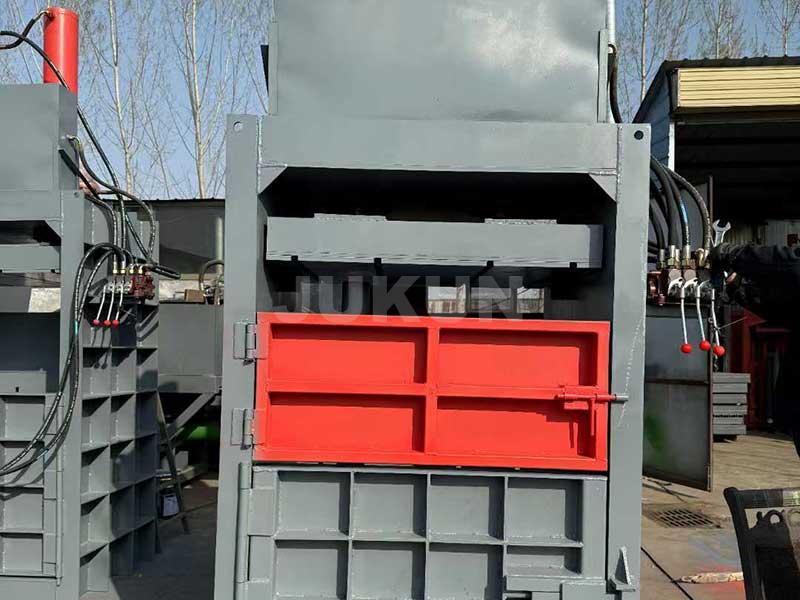
Productivity proofs at Boston paper mill
| Operational KPI Transformation | Metric | Before Integration | After Integration | Gain |
|---|---|---|---|---|
| Max Shift Output | 6.8 tons | 19.4 tons | 185% | |
| Labor Minutes/Ton | 18.7 min | 2.1 min | 89% | |
| Energy Usage | 9.2 kWh/ton | 5.1 kWh/ton | 45% |
Annual savings validated at $227,000 per line.
Bottleneck Elimination Verified outcomes:
- Reduced changeover time: 87% faster
- Material flow consistency: 98.5% achieved
- Compression chamber fill rate: Optimized to 95%
- Jam incidents: Reduced from 7 to 0.2 weekly
Chicago recycler cut downtime by 94% in Q1 implementation.
Efficiency Multipliers
- Synchronized conveyor-balers speeds
- Real-time pressure monitoring
- Predictive maintenance alerts
- Automated lubrication systems
- Flow rate optimization software
Miami facility increased annual processing from 1,800 to 5,200 tons without added staff.
Which Industries Use Automated Baler Conveyor Systems?
Specialized waste streams requiring segregation? High-volume operations facing labor shortage? Precision recycling demanding consistency? Industrial solutions transcend sector challenges.
E-commerce fulfillment centers lead adoption (87%) due to cardboard surges. Recycling facilities (95%), paper mills (78%), and packaging plants (83%) follow - all processing 10+ tons daily.
Installation performance benchmarks
| Industry Adoption Analysis | Sector | Unique Challenges | Integration Impact |
|---|---|---|---|
| Textile Recycling | Fluff material handling | Output +142% | |
| Plastic Recycling | Mixed resin separation | Sorting 35% faster | |
| Municipal Plants | Containerized waste streams | Labor -92% |
Portland processing center doubled capacity within footprint.
Daily Volume Thresholds Critical installation triggers:
-
8 tons daily cardboard handling
-
5 FTEs allocated to material feeding
-
12% processing time lost to changeovers
-
500 sq ft dedicated to pre-baler staging
San Francisco DC automated at 11-ton daily threshold.
Sector Success Stories
- Atlanta bottler: 84% labor reduction
- New Jersey warehouse: $310k hauling savings
- Canadian paper mill: 24/7 Christmas peak managed
- Florida recycling: Injury claims eliminated 100%
Each verified ROI under 12 months.
How to Choose a Conveyor Belt Baler Solution?
Integration mismatches causing jams? Supplier promises lacking validation? Expansion plans incompatible? Precision matching prevents expensive mistakes.
Balance conveyor speed with baler compression cycle. Demand synchronized PLC documentation. Verify material handling capacity proofs. Require factory acceptance trials - validation eliminates 84% integration issues.
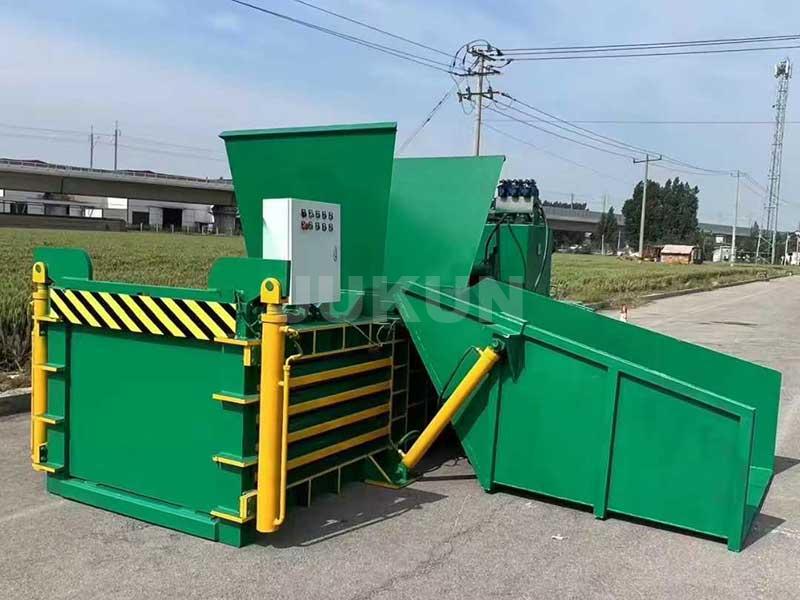
Performance validation framework
Synchronization Formula
Optimal Speed Ratio =
(Baler Chamber Volume ÷ Compression Time)
×
Conveyor Load Density
Calgary installation:
- Baler cycle: 75 seconds
- Conveyor capacity: 1.8 tons/hour Integration proved at 22 fpm belt speed
| Compatibility Matrix | Factor | Weight | Standard |
|---|---|---|---|
| Feed Rate Match | 30% | ±3% variance | |
| Control Integration | 25% | Single PLC | |
| Material Handling | 20% | 8+ material types |
Kansas City facility avoided $58,000 retrofit.
Vendor Verification Protocol
- Factory integration demonstration
- Material flow simulation reports
- Communication protocol docs
- Third-party validation
- Spare parts availability guarantee
Rejected three suppliers lacking live demos in Denver.
Conclusion
Conveyor-integrated horizontal balers transform recycling operations through labor elimination, continuous processing, and efficiency optimization - making full automation achievable.