
Operating with generic balers feels like wearing ill-fitting shoes. Your workflow suffers daily frustration. Custom OEM solutions reshape equipment to fit your exact needs.
Profits rise when machines perfectly match operational demands. Tailored balers optimize throughput, slash labor costs, and maximize facility space—often cutting processing expenses 30% while boosting bale revenue.
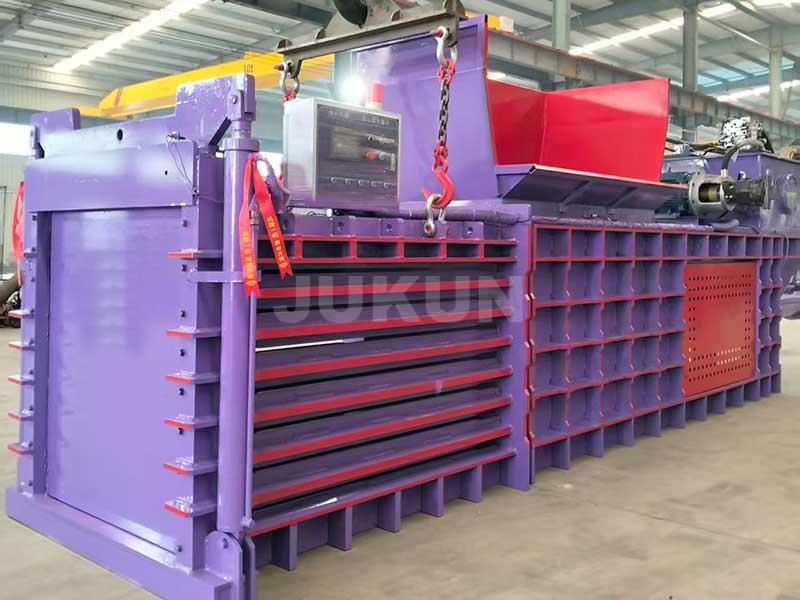
Forget compromising with standard designs. Explore how customized engineering solves specific efficiency challenges.
Why Do Businesses Choose OEM Horizontal Cardboard Balers?
Does your current baler feel like a square peg forced into round holes? Universal designs rarely solve unique operational headaches.
Businesses demand OEM balers when standard models create bottlenecks. Custom builds eliminate wasted time and resources by aligning equipment with material workflows.
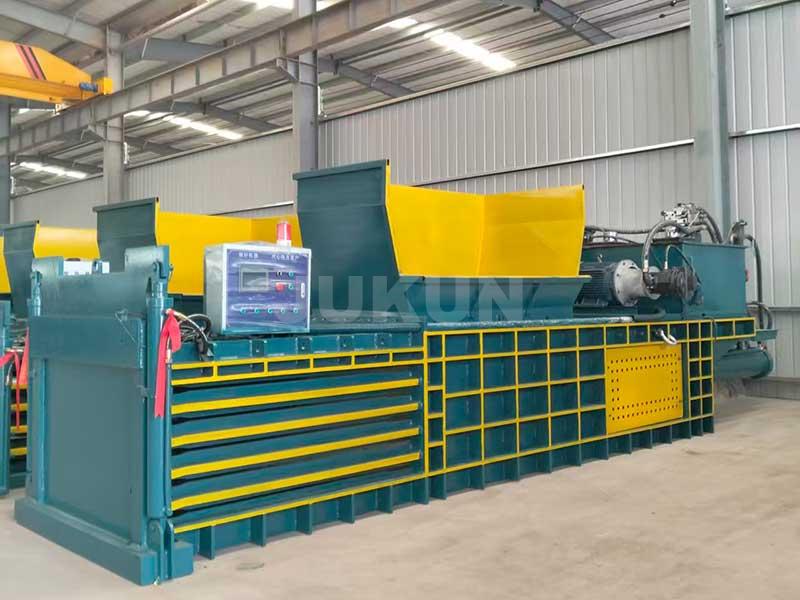
Three key factors drive the shift to customization:
Customization Impact Analysis
| Business Type | Standard Baler Pain Points | OEM Solutions |
|---|---|---|
| Distribution Centers | Labor-intensive feeding | Automated conveyors matching dock doors |
| Paper Mills | Bale size mismatches | Compression chambers sized for furnace specs |
| Supermarket Chains | Slow volume processing | High-cycle systems for weekend peaks |
| Waste Companies | Maintenance delays | Quick-release components for field repairs |
We redesigned a Canadian distributor’s feed system after watching workers waste hours manually pushing cardboard. Custom conveyors doubled throughput instantly. Profit margins expanded when their OEM model created perfectly stackable bales saving 20% trailer space. This approach transforms operations—like adding automatic sensors preventing costly jams for a U.K. recycler processing waxy packaging. Every workflow has hidden inefficiencies. Custom engineering targets them directly.
What Customization Options Are Available for Cardboard Balers?
Stuck with preset functions? Professional manufacturers unlock dozens of adjustments beyond basic dimensions. True customization re-engineers core operations.
Choose precise bale sizes, automated feeding, intelligent compression systems, and private branding. These transform equipment from commodity to competitive advantage.

Critical customization areas extend beyond superficial changes:
| System | Custom Options | Operational Benefit |
|---|---|---|
| Baling Chamber | 50-150cm height adjustments | Optimizes carrier capacity utilization |
| Hydraulics | Variable pressure (10-30MPa) | Prevents cardboard tearing in humid climates |
| Automation | Auto-tie, PLC controls, remote alerts | Reduces staffing needs during night shifts |
| Integration | Elevator compatibility, hopper designs | Eliminates manual transfer steps |
| Branding | Colors, control panel labeling, manuals | Strengthens dealer exclusivity |
We once built hydraulic systems specifically for corrugated recycling in Florida’s humidity where standard valves rusted within months. Modified alloy cylinders stopped premature failures increasing machine life. Another client required bale weights matching France’s shipping pallet laws—we recalibrated the pressure curve saving €1.8/ton in logistics. Customization adapts machines to material behavior versus generic force applications. This solves actual problems operators face.
How Can Custom Designs Improve Productivity and Reduce Costs?
Generic equipment creates hidden expenses. Custom designs attack inefficiency at its source preventing profit leakage.
Precision-engineered balers accelerate output and lower costs. They decrease staffing needs, minimize shutdowns, and enhance bale value—usually delivering ROI within 14 months.
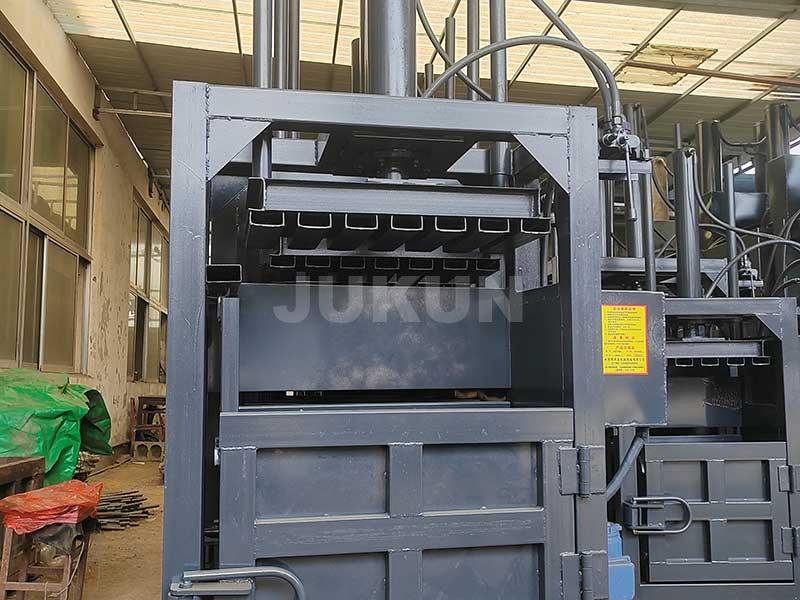
The cost-reduction channels function systematically:
| Area | Before Customization | After Customization | Savings |
|---|---|---|---|
| Labor | 3 operators/shift | 1 operator/shift | 66% reduction |
| Throughput | 5 tons/hour | 8 tons/hour | 60% gain |
| Maintenance | Monthly breakdowns | Quarterly checks | $18k/year saved |
| Bale Revenue | Market average | Premium price for density | +7% per ton |
| Floor Space | 100 sq.ft wasted | Compact configuration | 25% reclaimed |
A Dutch warehouse proved automation’s power: our auto-tie modification eliminated three weekly rope replacement breaks. Their $78,000 annual overtime budget dissolved overnight. Canadian winters exposed another issue—standard sensors froze. We relocated them internally inside heated zones saving $230/downtime hour. Tailored solutions always outperform universal ones. Your operation’s unique characteristics become design imperatives not compromises.
How to Select an Experienced OEM Baler Manufacturer?
Choose poorly and experience becomes costly experimentation. Partner selection determines OEM success beyond specifications.
Prioritize manufacturers with engineering resources and transparency. Verify customization portfolios, production access, and communication systems—avoid traders repackaging standard units.
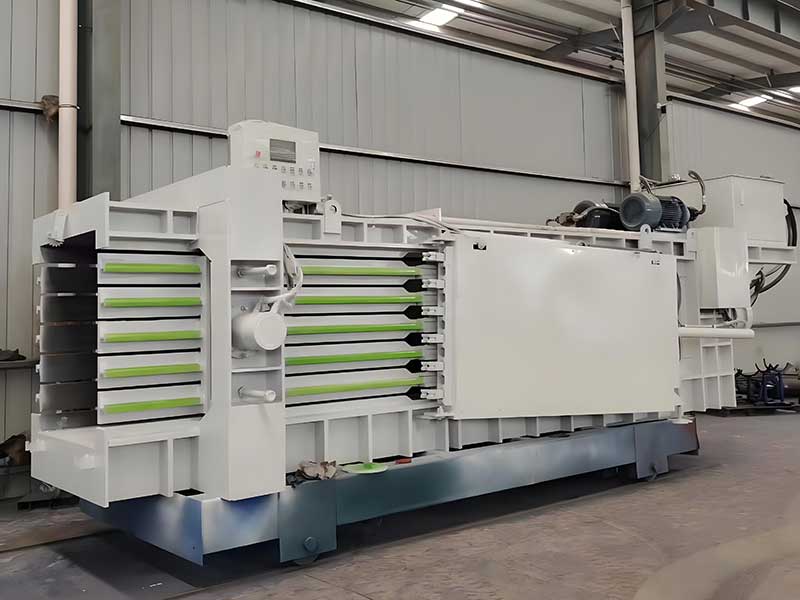
Evaluate partners through this framework:
Qualification Checklist
| Criteria | Why Essential | Verification Method |
|---|---|---|
| Engineering Team Size | Custom projects require problem-solving | Video introductions to designers |
| Prototype Development | Tests feasibility before commitment | Sample 3D models of your concept |
| Material Certifications | Avoids substandard steel substitutions | Mill test reports cross-checked |
| Change Order Process | Modifications happen during builds | Written revision protocols |
| Export Documentation | Ensures smooth customs clearance | Sample shipping packets review |
We learned this through experience: a buyer once sent obsolete schematics causing hydraulic conflicts. Our engineers caught it during live design reviews preventing costly tear-outs. Always demand factory floor access—like our QR codes showing current machine production stages. Reliable partners won’t hide workshop realities. Transparency builds the trust OEM relationships require. One U.S. distributor audits us biannually; their defect rate stays below 0.2%.
Conclusion
OEM balers maximize profits by eliminating workflow friction. Choose engineers who transform specifications into operational advantages.