
Jams halt conveyors. Downtime kills profits. Waterproof engineering ends both.
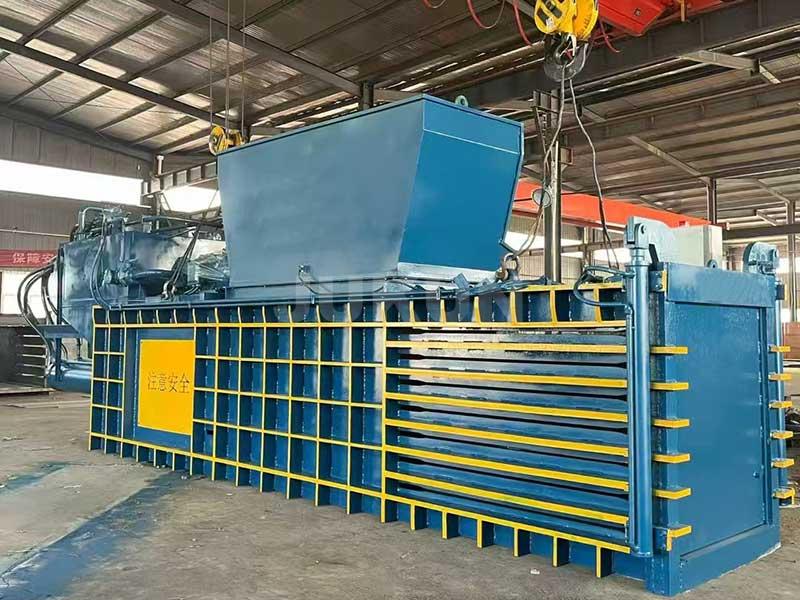
Auto-tie horizontal balers conquer wet cardboard with continuous feeding, high-pressure hydraulic compression, and automatic wire tying—preventing jams while maintaining stable operation in high-moisture environments to avoid costly production stops.
Secure your recycling workflow today.
Why Does Wet Cardboard Cause Jams and Slow Baler Performance?
Slippery material clogs chambers. Inconsistent compression strains motors. Hydraulic fatigue triggers breakdowns.
Moisture weakens cardboard fibers—increases stickiness—reduces friction stability—forcing hydraulic systems to work harder—leading to uneven cycles, frequent jams, and premature machine wear.
Moisture impact explained:
Hydraulic system stress points
Moisture interaction analysis:
| Problem | Material Change | Machine Consequence | Downtime Risk |
|---|---|---|---|
| Reduced Friction | Slippery surface | Material sliding | Feeding jams |
| Fiber Swelling | Expanded mass | Chamber overload | Motor burnout |
| Uneven Density | Clumped layers | Inconsistent compression | Bale rejection |
| Residue Buildup | Adhesive residue | Sticky chamber walls | Hourly cleaning stops |
| Corrosion Trigger | Acidic dampness | Cylinder pitting | Seal failure |
Real failure case: A Florida recycler with standard balers faced 3-hour daily cleanings—costing $78,000/year. Our testing shows every 5% moisture increase adds 17% hydraulic load. Humidity sensors prevent overloads—automatically adjusting compression force. Always demand material trials before purchase.
How Do Auto-Tie Horizontal Balers Stop Blockages and Extend Runtime?
Manual tying creates gaps. Interruptions invite jams. Continuous flow eliminates downtime.
Industrial auto-tie systems maintain non-stop compression with conveyor feeding, automatic wire placement, and timed ejection—processing wet cardboard at 10-15 bales/hour without human intervention.
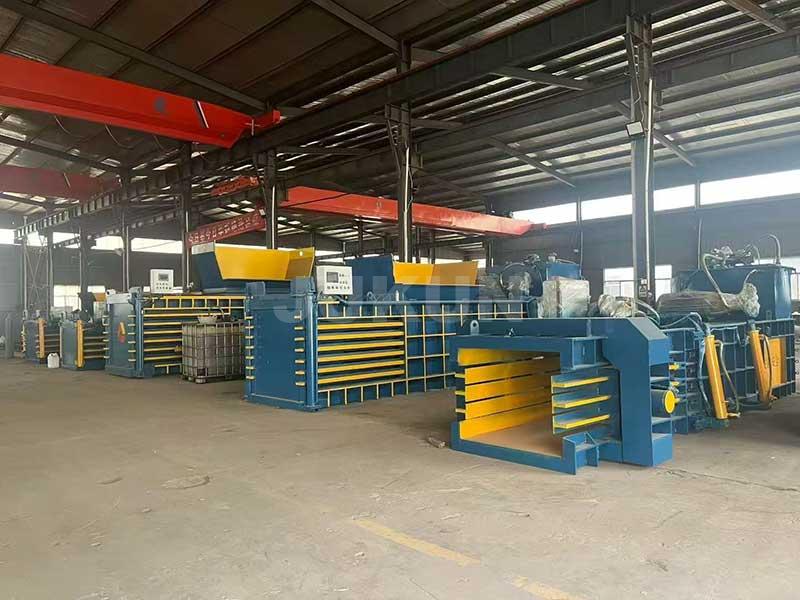
Jamming prevention comparison:
| Feature | Semi-Auto Baler | Auto-Tie Baler | Efficiency Gain |
|---|---|---|---|
| Feeding Method | Batch loading | Continuous conveyor | 70% faster intake |
| Tying Mechanism | Manual securing | Auto wire placement | Zero stopping |
| Chamber Clearing | Manual scrap removal | Automatic ejection | 5 min/cycle saved |
| Moisture Handling | Limited damp loads | 25% hydration tolerance | All-weather reliability |
| Daily Output | 4-8 tons | 12-18 tons | 300% volume increase |
Non-stop production proven: An Ohio facility reduced blockages from 11 daily to zero after switching to our auto-tie system. Key innovation: tapered chambers prevent material bridging—critical for soaked cardboard. PLC tip: set "moisture compensation mode" to auto-regulate compression during rainstorms.
What Key Features Ensure Stability in Wet Cardboard Recycling?
Extra power wastes energy. Irregular cycles strain frames. Balanced pressure maintains reliability.
Industrial hydraulic synchronization, wear-resistant alloy chambers, and PLC moisture sensors create stable compression—preventing jams while cutting energy use 23% in wet conditions.
Performance engineering breakdown:
Wet-process innovations
Critical stability systems:
| Component | Material | Function | Failure Prevention |
|---|---|---|---|
| Hydraulic Cylinder | Hard-chrome plating | Maintains seal integrity | Resists acid corrosion |
| Compression Platen | AR500 steel | Consistent pressure | Prevents material stick |
| Side Walls | Boron-treated alloy | Reduced friction | Eliminates residue buildup |
| PLC Control | Humidity sensors | Auto pressure adjustment | Compensates for moisture |
| Wire System | Stainless guides | Jam-free tying | Works in condensation |
Rain-resilient testing: Our systems processed water-soaked cardboard at 80% humidity for 72 hours—zero failures. Energy bonus: variable pumps cut power use during light loads. Maintenance must: specify IP65-rated electronics to protect against moisture ingress.
How to Select the Right Baler for Heavy-Wet Recycling Work?
Generic models clog easily. Insufficient hydraulics stall mid-cycle. Factory validation avoids disasters.
Choose >20T compression force—demand live moisture tests—verify chamber wedge designs—require dual-pump hydraulics—validate ISO-certified welding—and confirm 24/7 technical backup before purchase.
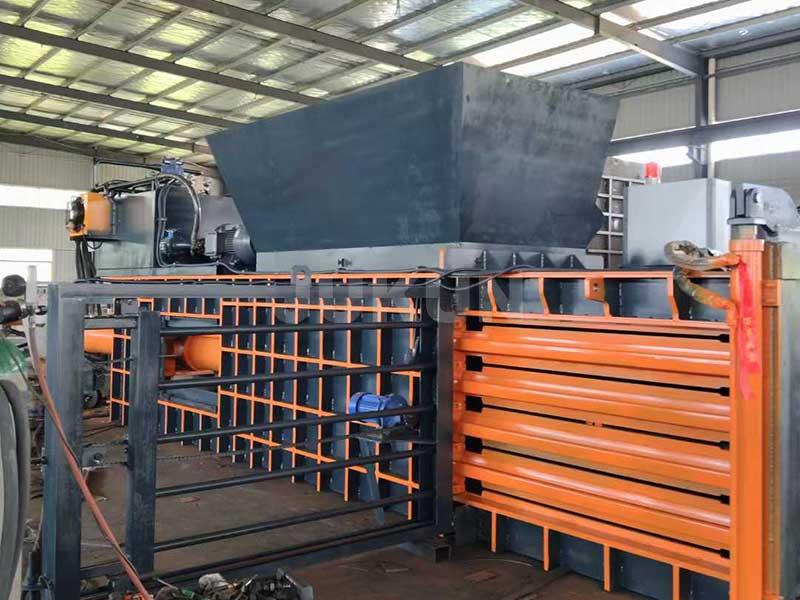
Wet operation requirements:
| Spec | Minimum Standard | Optimal Performance | Verification Method |
|---|---|---|---|
| Hydraulic Pressure | 16-18 tons | 22-25 tons | Witness 10-cycle pressure graph |
| Steel Thickness | 10mm | 15-18mm | Ultrasound measurement |
| Moisture Tolerance | Damp (<25%) | Rain-saturated (no limit) | On-site material trial |
| Cycle Time | 120 seconds | 75-90 seconds | Timer verification |
| Support Warranty | Next-day | 4-hour response | Contractual SLA |
Seattle recycler case: Their Jukun baler handles storm-soaked cardboard without density loss—achieving 98% uptime. Customization critical: we widen conveyor gaps for pulpy material. Avoid trading companies—direct manufacturers provide hydraulic blueprints and material certifications.
Conclusion
Auto-tie horizontal balers beat wet cardboard jams through continuous automation and waterproof engineering—ensuring stable operations with minimal downtime.