
Paper scraps pile up rapidly, eating valuable warehouse space. Overflowing waste blocks workflow and cuts profits daily. Horizontal balers crush this problem immediately.
Horizontal baling machines process paper waste using hydraulic pressure to create dense bales. They reduce storage needs by 80%, lower transport costs significantly, enable continuous high-volume processing, and streamline recycling operations for facilities handling cardboard, packaging, and office paper.
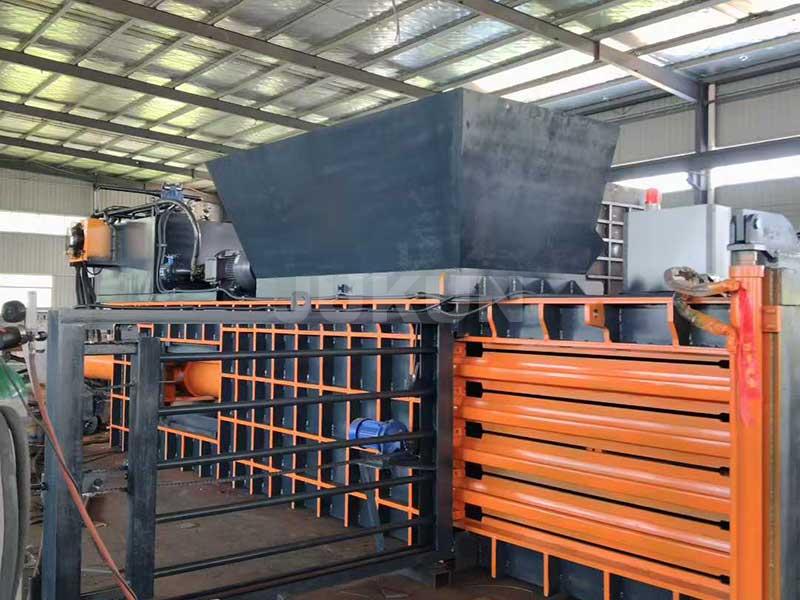
Watching loose paper transform into compact blocks feels satisfying. Yet the real magic unfolds when we examine these workhorses in action.
What Is a Paper Waste Horizontal Baler?
Visualize workers wrestling unwieldy cardboard stacks. Manual compression wastes time and effort hourly. This machine solves that struggle physically.
A paper waste horizontal baler compresses loose materials hydraulically inside a steel chamber. Materials enter through an open feed section, get crushed by powerful rams, and emerge as compact, stackable bales ready for transport or recycling plants. Horizontal design supports continuous nonstop operation.
Key components make paper compression efficient:
- Adjustable compression chamber: Accommodates cardboard sheets or shredded office paper
- Hydraulic power pack: Generates 50-180 tons force for material density requirements
- PLC controls: Simplifies operation cycles with preset modes for different papers
- Safety systems: Laser sensors prevent operation during material loading
We customized a model for bookstore chain struggling with paperback waste. Adding wider feed openings eliminated pre-shredding needs - saving 2 hours daily. Maintaining proper hydraulic oil temperature is crucial: cold fluid drags compression speed and wastes energy in Canadian winters.
How Does a Horizontal Baler Improve Paper Recycling Efficiency?
Recall trucks hauling half-empty loads of lightweight paper. Multiple trips drain fuel budgets monthly. Balers transform this inefficiency.
Horizontal balers boost efficiency by automating compression, reducing manual handling by 70%, creating uniform bale sizes, maximizing storage space, and cutting transportation frequency. Continuous feeding minimizes downtime between cycles.
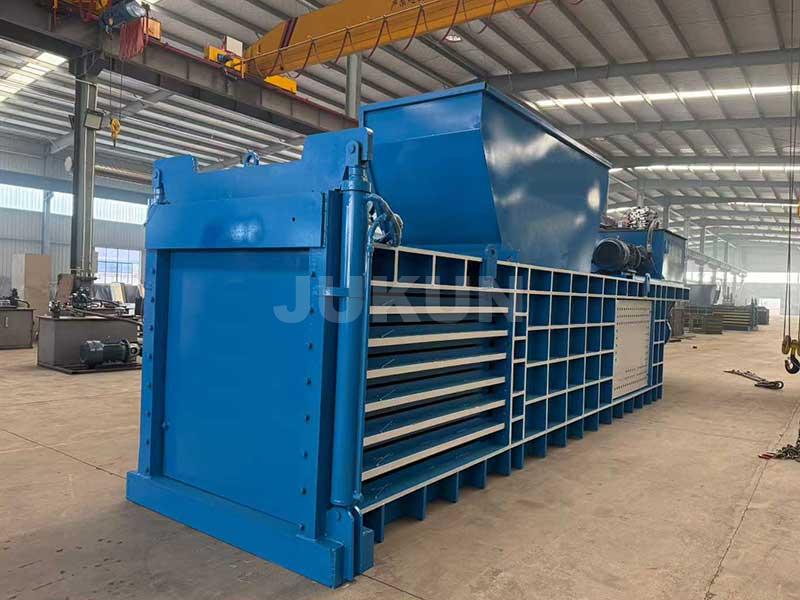
The efficiency equation breaks down further:
| Process Stage | Manual Method | Horizontal Baler | Improvement |
|---|---|---|---|
| Compression Time | 10 mins per 100kg | 2 mins per 300kg | 6x faster processing |
| Labor Requirements | 3 workers for loading | 1 operator monitoring | 67% staff reduction |
| Storage Density | 150kg per m³ loose | 850kg per m³ baled | 5.6x space efficiency |
| Transport Costs | Daily trips for bulky loads | Weekly shipments of dense bales | 70% fewer truck runs |
A Toronto print shop slashed waste expenses $18,000 yearly after installing our 120-ton baler. Their cardboard waste went from 3 weekly truckloads to one monthly shipment. Remember: proper bale weight consistency prevents shifting during transit and unloading accidents.
What Types of Paper Waste Can Horizontal Balers Process?
Watching different paper types clog standard shredders? Inconsistent materials frustrate recycling efforts daily. Horizontal chambers handle variety easily.
Balers efficiently process corrugated cardboard, newspaper stacks, office paper streams, book pages, packaging materials, paper mill scraps, and mixed paper recycling. Customizable pressure settings adapt to material characteristics.
Various papers require specialized approaches:
- Corrugated cardboard: Needs high pressure settings (80+ tons) to flatten air pockets
- Tissue paper: Requires lower pressure with faster cycles to prevent spring-back
- Book bundles: Benefits from pre-compression plates to hold covers closed
- Wet paper pulp: Demands stainless steel chambers with drainage outlets
We engineered a solution for archive companies shredding sensitive documents. Our integrated pre-cutter system handled bound files without manual separation. For glossy magazines, gradual pressure ramping prevents hydraulic shock damage - extending seal life by 40%.
How to Choose the Best Paper Recycling Baler Machine?
Discovering your baler cannot handle growing paper streams? Poor planning costs thousands annually. Smart selection avoids buyer regret.
Select based on daily waste volumes, required bale density, facility space limits, hydraulic stability, automation compatibility, and manufacturer reliability. Always verify real material testing data before purchase.
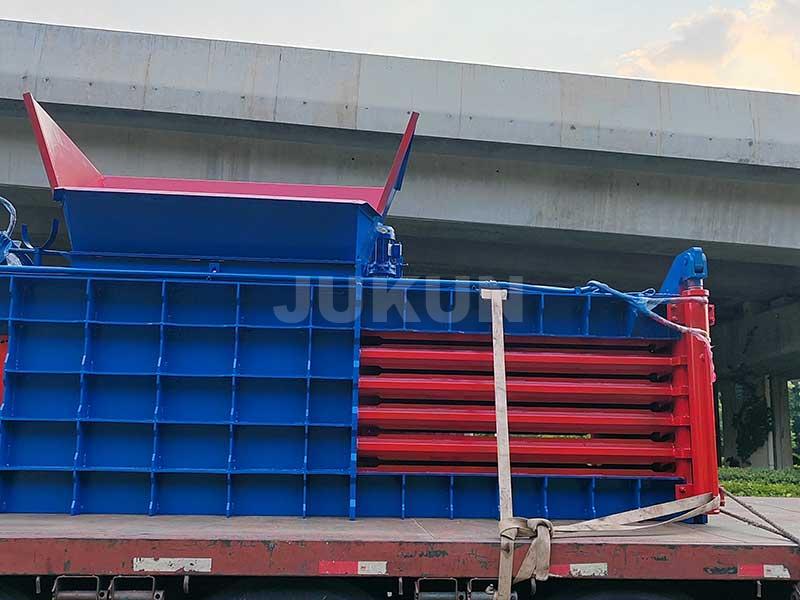
Avoid costly mistakes by prioritizing:
- Capacity sizing: Measure peak volumes, not averages
- Hydraulic validation: Demand pressure test reports
- Automation tier: Semi-auto for 5 tons/day, full-auto above 20 tons
- Electrical safety: CSA/UL certification for North American use
- Supplier transparency: Factory visit proof prevents certificate fraud
A Canadian client avoided budget drain by choosing our variable ram speed model. Their mixed-paper facility needed different cycles for rigid boxes versus soft office waste. We provide material compaction test videos before shipping - showing actual cardboard density results. Regular hydraulic pressure audits maintain peak efficiency while preventing untimely failures during winter peaks.
Conclusion
Horizontal balers revolutionize paper recycling. They deliver dramatic space savings, reduced transport costs, and streamlined operations. Proper machine selection maximizes waste management efficiency.