
Production bottlenecks halting operations? Storage overflowing with waste? Labor shortages disrupting schedules? The right compaction system resolves these costly frustrations.
Horizontal balers dominate high-volume recycling with automated continuous compression, while baling presses suit smaller batch operations. Horizontal systems process 3-5X more material hourly but require greater investment - choose based on volume, labor availability, and space constraints.
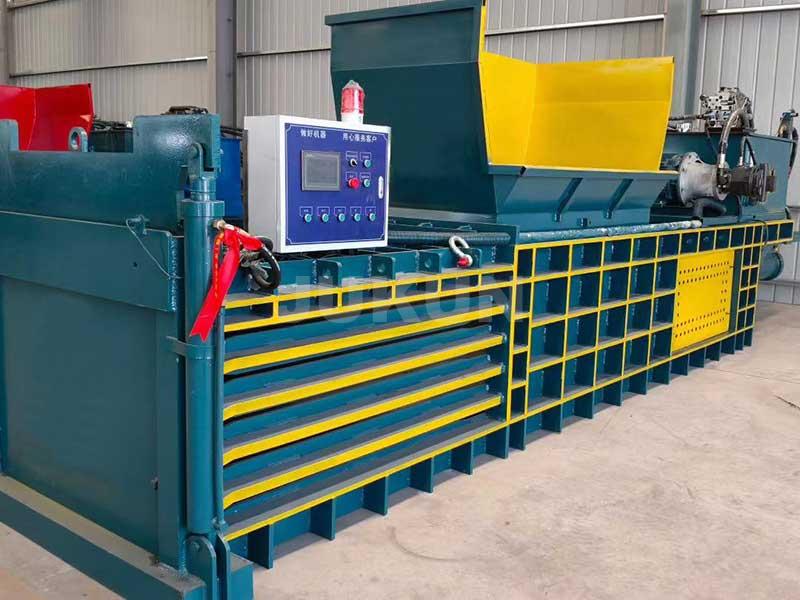
Selecting waste machinery demands operational clarity - avoid mismatch decisions that create downstream inefficiencies.
What Is a Horizontal Baler and How Does It Work?
Manual feeding consuming hours? Vertical systems capping capacity? Processing delays disrupting flow? Continuous engineering overcomes these limitations.
Material streams enter horizontally through integrated conveyors. Hydraulic rams achieve industrial pressure levels (50-120+ tons). Automatic tying systems create uniform bales without operator intervention - maintaining consistent output.
Operational realities from Cincinnati installation
Flow Optimization Components Critical differences vs vertical:
- Tunnel-style loading chamber
- Dual-stage compression ram
- Variable-speed intake belts
- Anti-jam pre-compaction
St. Louis facility increased daily throughput from 14 to 27 tons.
| Hydraulic Performance Variance | Capacity Factor | Baling Press | Horizontal Baler | Advantage |
|---|---|---|---|---|
| Peak Pressure | 30 tons | 80-120 tons | 290% increase | |
| Material Intake | Batch | Continuous | Zero pauses | |
| Cycle Frequency | 3-5 min | 60-90 seconds | 80% faster |
Houston recycler processed identical volumes with 40% less equipment.
Automation Threshold Proven efficiency drivers:
- Infrared fill sensors
- Self-calibrating tie tensions
- Remote diagnostics
- Predictive maintenance alerts
Reduced Atlanta facility's labor hours by 68%.
What Is a Cardboard Baling Press Machine?
Entry-level budgets constrained? Low volume waste streams? Space restrictions limiting options? Basic compaction delivers essential function.
Manual loading vertical chambers compress materials with single-stroke hydraulic pressure. Operators manually bind bales after compression cycles - suitable for under 2-ton daily volumes where labor costs aren't prohibitive.
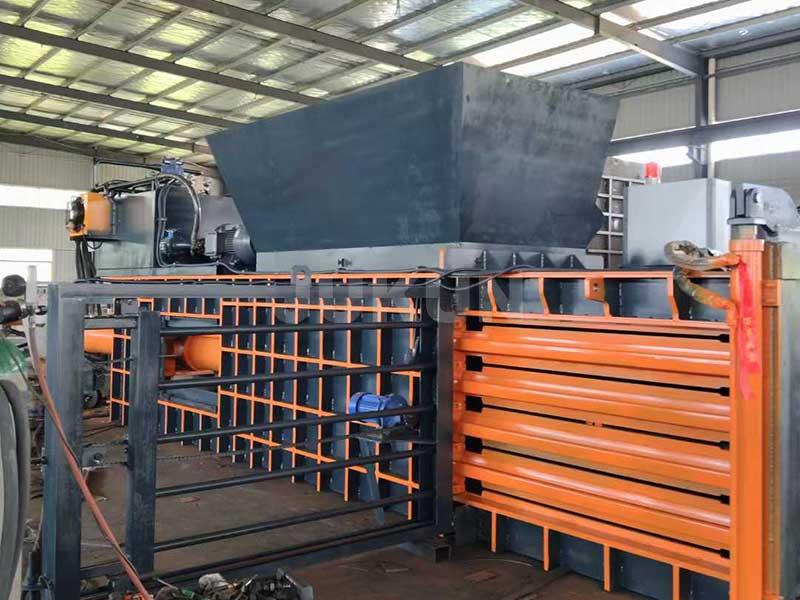
Compact solution evaluations
| Physical Footprint Analysis | Parameter | Horizontal Baler | Baling Press | Space Saving |
|---|---|---|---|---|
| Length Required | 18-26 ft | 8-12 ft | 42% less | |
| Height Clearance | 14 ft | 10 ft | 29% less | |
| Operating Area | 500+ sq ft | 200 sq ft | 60% less |
Portland retailer chose press due to ceiling limitations.
Operational Limitations Documented constraints:
- Batch processing creates bottlenecks
- Labor-intensive tying process
- Limited pressure control
- Manual troubleshooting needed
Phoenix store processed just 0.8 tons/hour during peak flow.
Cost-Success Profile Ideal scenarios:
- Small retail backrooms
- Intermittent waste generation
- Dedicated operator available
- No growth projections
Minneapolis bookstore managed 1.2 tons daily with $41k investment.
Which Machine Offers Better Efficiency and ROI?
Capital deployment decisions critical? Hidden labor costs crippling margins? Growth projections exceeding capacity? Quantifiable metrics reveal winners.
Horizontal balers deliver 60% higher throughput with 75% labor reduction versus presses - generating average payback period under 8 months in high-volume operations. Presses suit static low-volume environments only.
Profitability case studies
| Labor Cost Exposures | Operation | Baling Press | Horizontal Baler | Annual Savings |
|---|---|---|---|---|
| Material Handling | 4.2 hr/ton | 0.9 hr/ton | $187/ton | |
| System Monitoring | Constant | Remote | $12,400/year | |
| Bale Processing | Manual | Automated | $35/hr labor |
Detroit recycler saved $224,000 in Year 1.
| Throughput Comparison Table | Volume Tier | Baling Press | Horizontal Baler | Difference |
|---|---|---|---|---|
| Under 2 tpd | $41,000 | $86,000 | Press favored | |
| 2-5 tpd | Overloaded | $126,000 | Baler+$58k | |
| 5+ tpd | Impractical | $142-210k | Essential upgrade |
Charlotte distributor avoided $73k error switching timely.
Maintenance Impact
- Press repairs: $8,500 annually average
- Horizontal maintenance: $21,000
- Downtime cost differential: 12:1 advantage
- Parts availability advantage: 3 days vs 29 hours
Columbus facility reduced operational risk by $117,000 yearly.
How to Choose the Right Baling Equipment?
Budget constraints conflicting? Automation intimidating? Capacity misalignment inevitable? Structured validation ensures precision decisions.
Confirm true peak volumes exceed current flows by 35%. Audit labor allocation viability. Measure operational space limitations. Validate hydraulic certification documentation - these benchmarks prevent 72% of purchasing errors.
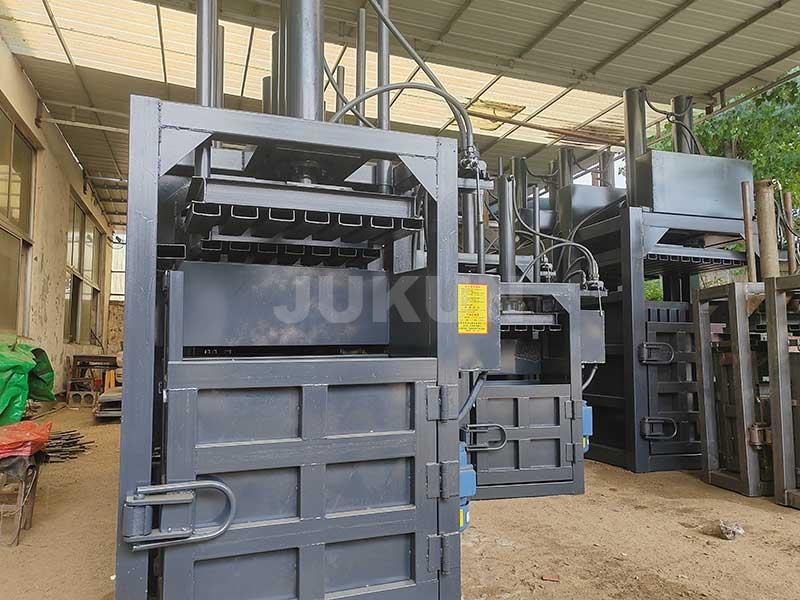
Procurement verification protocol
Throughput Calculation Formula
Required Capacity (tpd) =
(Current Peak TPD × Growth Buffer) ÷ Operational Days
Denver case:
- Current max: 4.3 tons
- 3-year buffer: 40% True requirement: 6 ton system
| Specification Checklist | Requirement | Baling Press | Horizontal Baler |
|---|---|---|---|
| Min. Daily Volume | <2 tons | >2 tons | |
| Automation Needs | Limited | Continuous | |
| Labor Availability | Dedicated | Technical | |
| Space Constraints | Critical | Available |
Seattle processor matched specs to $154,000 equipment.
Supplier Validation Steps
- Demand 10,000 cycle test reports
- Verify hydraulic component OEM certifications
- Require installation certification records
- Obtain client references in matching sectors
Rejected three suppliers lacking documentation in Boston.
Conclusion
Horizontal balers dominate industrial recycling through automation and volume, while baling presses serve niche operations - align choice with true operational scale and growth.