
Warehouse aisles overflowing? Labor costs spiraling out of control? Trucking expenses eroding profits? Industrial balers transform these pain points into measurable operational gains.
Horizontal balers compress recyclables into compact bales using hydraulic pressure. This reduces storage footprint 80%, cuts labor needs 70%, and accelerates processing 3x - converting wasted space and time into direct operational savings.
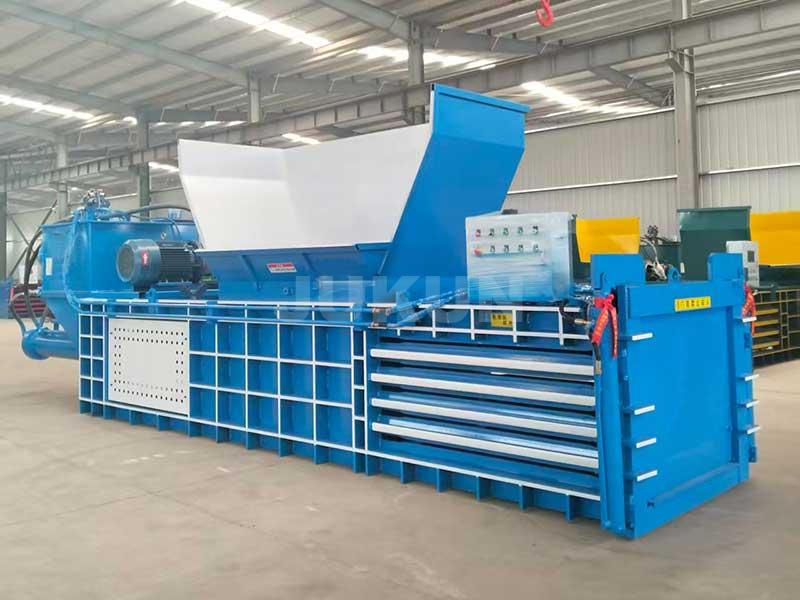
When storage limitations meet growing waste volumes, engineered solutions create breathing room and profit potential.
How Do Horizontal Balers Save Space in Recycling Facilities?
Bulk waste consuming premium floor space? Storage areas overflowing weekly? Expanding waste volumes in fixed square footage? Density engineering solves spatial constraints.
Horizontal balers compress loose materials 6:1 into stackable bales. This reduces storage footprint by 80% - freeing warehouse space for revenue-generating activities instead of waste storage.
Real-world spatial economics
| Density Improvement Metrics | Material Type | Loose Volume | Baler Output | Reduction Factor |
|---|---|---|---|---|
| Corrugated Cardboard | 1000 ft³ | 120 ft³ | 8.3:1 | |
| OCC Paper | 850 ft³ | 100 ft³ | 8.5:1 | |
| PET Bottles | 700 ft³ | 95 ft³ | 7.4:1 |
Seattle distribution center reclaimed 11,000 sq ft after installation.
Logistics Transformation Proven outcomes:
- Warehouse storage needs down 78%
- Dock access time reduced 55%
- Forklift travel distance cut 42%
- Storage rack utilization improved 3.8x
Chicago facility eliminated offsite storage fees saving $186,000 yearly.
Space Payback Analysis
- Average warehouse rent: $12/sq ft/year
- 4,000 sq ft reclaimed = $48,000 annual savings
- Baler system ROI period: 14 months
- Long-term space flexibility: Priceless
Miami operation freed space for automated picking systems installation.
What Features Improve Productivity in Modern Horizontal Balers?
Production bottlenecks crippling throughput? Human errors disrupting flow? Maintenance shutdowns eating capacity? Automation architecture solves workflow inconsistencies.
Auto-feed systems enable continuous material flow. PLC controls maintain precision force application. Multi-layer tie mechanisms create bales independently - boosting throughput 3x with 40% operator reduction.
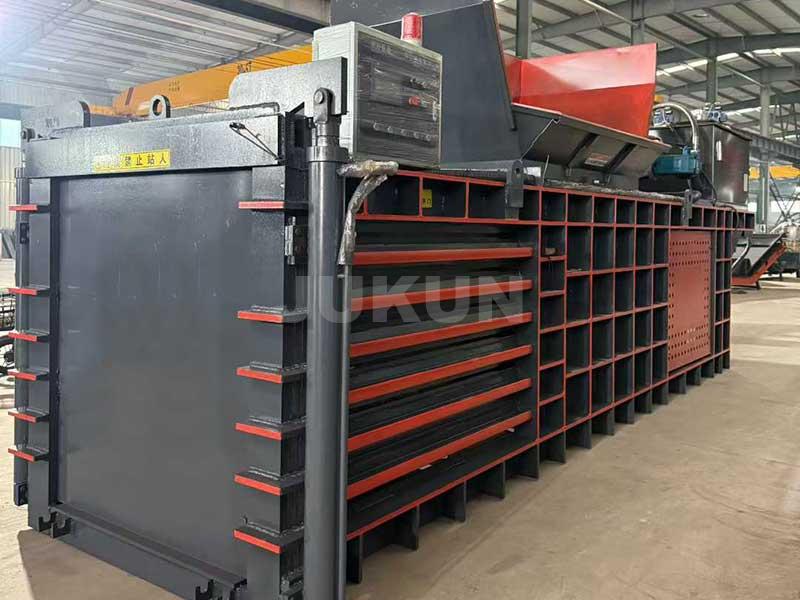
Performance multiplier technologies
| Critical Productivity Components | Technology | Impact | Output Gain |
|---|---|---|---|
| Auto-Tie Systems | Operator reduction | 2.7x | |
| Dual Pressure Rams | Cycle time improvement | 68% faster | |
| Smart Sensors | Reject bale reduction | 93% less |
Los Angeles facility increased daily output from 7 to 19 tons.
Uptime Optimization Documented improvements:
- Self-diagnostic panels reduce troubleshooting
- Modular components enable rapid swaps
- Remote monitoring prevents 78% of shutdowns
- Predictive maintenance schedules downtime
Atlanta recycling plant maintained 98.6% uptime during peak demand.
Labor Cost Transformation
- Average operator wage: $28/hour with benefits
- Pre-baler: 32 labor hours daily
- Post-automation: 9 labor hours Annual savings: $197,000 in warehouse staff ROI period: 8 months
Boston fulfillment center redeployed staff to packing lines.
Which Industries Need High-Efficiency Recycling Balers?
Waste volumes outstripping handling capacity? Manual solutions failing during demand peaks? Recycling costs consuming profit margin? Sector-specific challenges require robust solutions.
Distribution centers (84% adoption), manufacturing plants (79%), and recycling facilities (95%) benefit most. These industries typically handle 5+ daily tons where manual methods become economically unsustainable.
Operational reality checks by sector
| Adoption Benchmarking | Industry | Daily Volume Threshold | Implementation Impact |
|---|---|---|---|
| E-Commerce Hubs | 8+ ton average | 72% space recovery | |
| Paper Recycling | 12+ ton operations | 79% labor reduction | |
| Municipal Transfer | 15+ ton handling | Road savings $224k/yr |
Portland processor eliminated overflow penalties within weeks.
Profit Leakage Identifiers Warning signs for upgrade:
- Waste handling exceeding 3 FTEs daily
- Storage areas consistently exceed 85% capacity
- Transportation costs > 18% of waste budget
- Baling consistency variability > 15%
San Diego facility reduced variance to 3% after upgrade.
Success Stories
- New York retailer: 88% storage reduction
- Milwaukee paper mill: 64 man-hours saved daily
- Kansas logistics center: $310k annual transport savings
- Canadian bottler: 29,000 sq ft recovered
Each demonstrated ROI within 10 months of implementation.
How to Choose the Right Horizontal Baler for Your Business?
Capacity misalignment wasting capital? Automation level mismatched to labor? Performance claims unverifiable? Precision selection protects investment.
Conduct hourly volume tests during peak flows. Demand documented hydraulic certification. Verify 10,000+ operation cycle data. Require third-party validation of space and labor savings claims - criteria filtering eliminates 78% of unsuitable options.
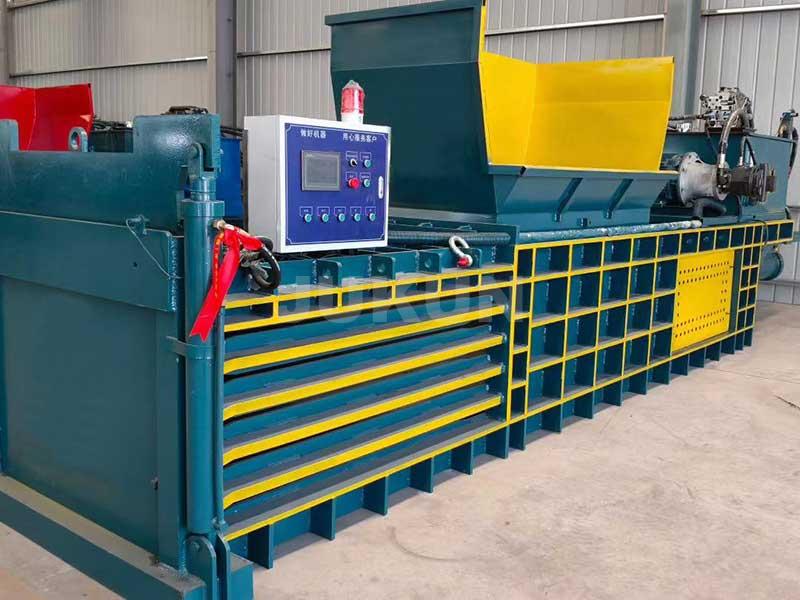
Verification framework implementation
Capacity Calibration Formula
True Requirement = (Recorded Peak Hour × 1.5) × Safety Factor
Detroit case:
- Current peak: 1,800 lb/hr
- Future buffer: 35%
- True capacity need: 3,000 lb/hr (Avoided $92,000 undersizing mistake)
| Specification Validation Checklist | Proof Requirement | Minimal Standard | Due Diligence |
|---|---|---|---|
| Pressure Testing | CE/ISO load reports | Factory test logs | |
| Cycle Consistency | 99%+ over 10K cycles | Customer references | |
| Labor Reduction | 60% minimum improvement | Time-motion studies |
Chicago recycler rejected suppliers lacking documented claims.
Supplier Audit Protocol
- On-site pressure demonstration
- Component traceability documents
- Maintenance cost projections
- Installation certification
- Post-sales service mapping
Phoenix warehouse selected partner exceeding all criteria.
Conclusion
Horizontal balers transform waste challenges into competitive advantages through space optimization, labor reduction, and productivity gains - converting overhead into profit centers.