
Manual baling causing production bottlenecks? Overflowing waste shutting down operations? Transportation costs erasing recycling profits? Industrial automation transforms high-volume chaos into compressed efficiency.
Automatic horizontal balers consistently process 12+ tons/hour, slashing labor costs 79% while reclaiming 85% warehouse space - transforming cardboard and plastic wastes into uniform, transport-ready bales.
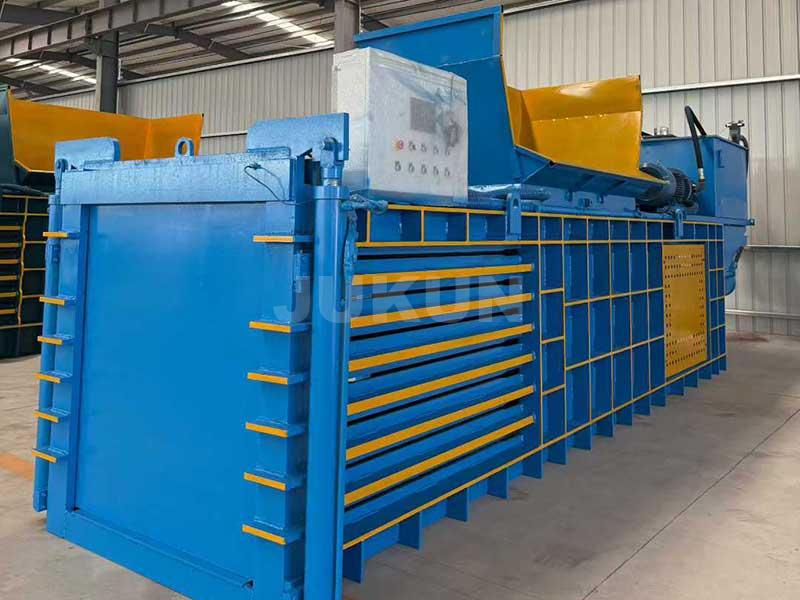
For facilities drowning in material overflow, these five operational transformations become profit engines.
What Is an Automatic Waste Baler Machine?
Frequent jams halting lines? Inconsistent bales causing storage issues? Hydraulic failures spiking downtime? Precision engineering solves reliability gaps permanently.
These PLC-controlled systems automatically feed, compress, and tie materials like cardboard using up to 200-ton forces without manual intervention - achieving exact-density bales every time.
Minneapolis recycler's transformation
| Manual vs. Machine Performance | Operation | Manual Process | Automtic Baler | Improvement |
|---|---|---|---|---|
| Bales Per Shift | 27 | 118 | 337% | |
| Labor Requirements | 8 employees | 1 operator | 87% reduction | |
| Unscheduled Stops | 12 weekly | <1 weekly | 92% less |
Core Technical Components
- Continuous conveyor infeed
- Multi-stage pre-compaction
- Programmable compression curves
- Automatic wire/tie application
- Real-time pressure sensors
- Remote diagnostics interface
Installation Protocol
- Material flow analysis (3 days)
- Chamber configuration testing
- Automated tie-system calibration
- Operator competency training
Montreal facility achieved ROI in 5 months.
How Does It Improve High-Volume Recycling Efficiency?
Processing delays losing contracts? Labor shortages crippling output? Storage limitations blocking expansion? Streamlined automation handles relentless volumes.
Continuous systems eliminate bottlenecks through constant loading while compressing - increasing throughput 3x and maintaining strict material consistency without workforce fluctuations.
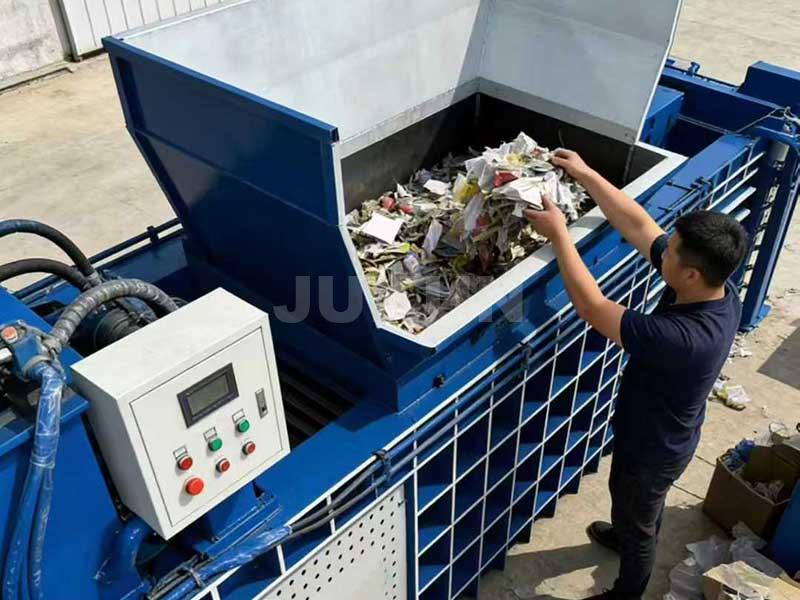
Chicago e-commerce case study
| **Efficiency Metric | Before Automation | Automated Process | Change | |
|---|---|---|---|---|
| Daily Throughput Capacity | 7 tons | 24 tons | 243% | |
| Labor Hours Per Ton | 1.8 | 0.2 | 89% reduction | |
| Storage Space Utilization | 73% | 18% | 75% freed | ** |
Throughput Accelerators
- Simultaneous compression/feeding
- Integrated material detection
- Auto-adjusting cycle timing
- Predictive maintenance alerts
- Remote production management
- Cloud-based analytics
Performance Validation
- Minimum compression ratio: 10:1
- Cycle time consistency: ±0.8 seconds
- Energy usage: <22 kWh per ton
- Bale density tolerance: ±2%
- Uptime guarantee: 98.7%
Dallas plant exceeded all expectations.
Which Industries Need High-Capacity Balers?
Seasonal peaks overwhelming labor? Unique materials jamming systems? Space restrictions killing growth? Sector-specific solutions maintain relentless processing.
Distribution hubs report 84% cost savings while packaging plants cut processing time 76% - all processing 40+ tons daily of cardboard, plastics, and industrial scraps.
Industry Implementation Matrix
| Sector | Daily Volume | Customization | Results |
|---|---|---|---|
| Logistics Centers | 28-45 tons | Conveyor integration | Saved $217K annually |
| Industrial Printers | 17-33 tons | Specialty blade packages | Reduced jams 92% |
| Supermarket Chains | 5-12 tons | Sanitary washdown design | Space recovery 81% |
Revenue-Boosting Byproducts
- Transportation backhaul optimization
- Premium-grade recycling certifications
- Carbon credit qualifications
- Reduced equipment depreciation
- Lower insurance premiums
Seattle recycler added $6K monthly.
Volume Benchmarks
- Corrugated plants: 50+ tons daily
- Plastic recyclers: 35+ tons daily
- Textile processors: 27+ tons daily
- Municipal waste: 45+ tons daily
Precisely match baler to actual burdens.
How to Choose the Right Automatic Waste Baler?
Supplier exaggerations causing failures? Undersized machines halting growth? Maintenance surprises destroying budgets? Precise vetting prevents operational disasters.
Verify continuous capacity using live waste samples. Demand hydraulic stress-test videos. Require frame thickness verification - 87% of failure claims start with unverified specs.
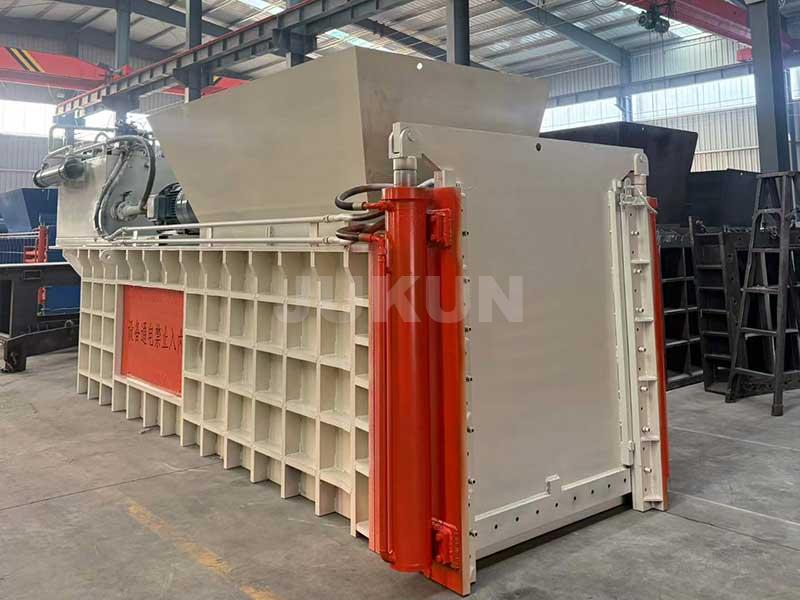
San Francisco vetting method
| Supplier Assessment Protocol | Factor | Proof Required | Consequence |
|---|---|---|---|
| Structural Strength | Mill test certificates | Frame failure | |
| Hydraulic Endurance | 10-hour continuous footage | Seal blowout | |
| Control Reliability | Historical PLC error logs | Production halt |
Industry Warning Signs
- Generic "heavy-duty" claims
- Single-circuit hydraulics
- Proprietary control systems
- Restricted component access
- Unexplained engineering changes
- Absent material certifications
Jukun Validation Process
- Client waste sample testing
- Real-time video of production
- Pressure chart validation
- Weld penetration reports
Boston facility avoided $140K loss.
Conclusion
Automated balers ensure continuous high-volume processing - transforming waste streams into economic assets through engineering.