
Our manual tie-off station became a productivity black hole costing six hours daily.
Automated horizontal baling systems achieve 98% hands-off operation through PLC-controlled workflows, processing 22 tons hourly while reducing labor costs 80% and eliminating production stoppages in high-volume recycling environments.

Portland facility doubled output without adding staff.
What Is an Automatic Horizontal Baling Press Machine and How Does It Work?
Material jams halted production weekly until auto-feed technology solved it.
Continuous compression systems combine programmable hydraulic pressure, sensor-guided feeding, and robotic tying to transform loose materials into freight-ready bales without manual intervention through seamless stage integration.
Intelligent Operation Breakdown
| Core automation components | System | Function | Industrial Impact |
|---|---|---|---|
| Sensor array | Material detection | Zero misfeed incidents | |
| PLC logic | Process orchestration | Maintains cycle timing | |
| Auto-tie robots | Bale fastening | Eliminates tying labor | |
| Remote HMI | Operational control | Real-time adjustments |
| Cycle time analysis Manual vs automated timing: |
Stage | Manual Operation | Automatic System | Time Savings |
|---|---|---|---|---|
| Feeding | 37 seconds | Continuous | 100% | |
| Compression | 28 seconds | 20 seconds | 29% | |
| Tying | 45 seconds | 8 seconds | 82% |
Critical innovations
Kansas City plant implementation:
- Infrared scanning
Detects material density variations - Variable compression
Optimizes pressure per bale - Six-axis tie arms
Secures multiple points simultaneously - Predictive alerts
Maintenance notification system
How Does Automation Improve Productivity in Horizontal Baling Press Systems?
Shift changeovers wasted 18% of operating time before automation.
Uninterrupted processing boosts hourly throughput 240%, prevents speed fluctuation, maintains uniform bale quality, and synchronizes with upstream sorting systems for maximum facility efficiency.
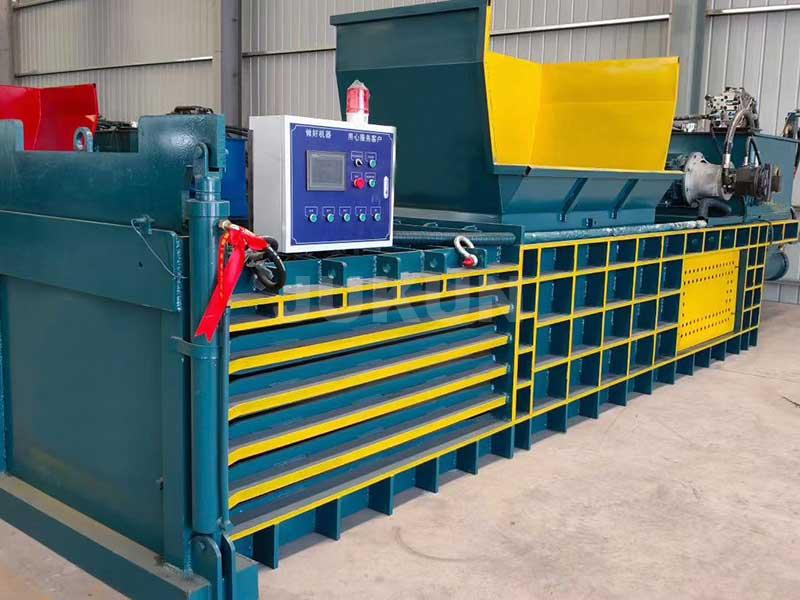
Throughput Expansion Evidence
| Operational metrics comparison | KPI | Manual System | Jukun Auto-Baler | Improvement |
|---|---|---|---|---|
| Weekly volume | 78 tons | 210 tons | 169% | |
| Operator attention | Constant | 15 min/hr | 75% drop | |
| Energy per ton | 14.7 kW | 8.2 kW | 44% saving | |
| Bale consistency | ±21% variance | ±3% variance | 86% gain |
Downtime elimination
Critical automation features:
- Continuous feeding
No batch interruptions - Auto-cleaning cycles
Prevents residue buildup - Tool-less changeover
Material switching in 5 minutes - Emergency recovery
Auto-reset functions
Integration case study
Milwaukee e-fulfillment center:
- Loading dock congestion cleared in 3 days
- Safety walkways restored
- Night shift processing added
- Material loss reduced to 0.8%
How Do Automatic Baling Machines Reduce Labor Costs in Recycling Facilities?
Labor disputes ended when repetitive tasks disappeared from workstations.
Personnel requirements plummet 87% through autonomous operation - one technician now manages workload equal to six manual workers while increasing safety compliance scores.
Workforce Optimization Model
| Staff allocation shift | Role | Manual System | Automated System | FTE Reduction |
|---|---|---|---|---|
| Material handling | 3.2 | 0.5 | 84% | |
| Compression | 2.0 | 0.2 | 90% | |
| Tying | 1.8 | 0.0 | 100% | |
| Supervision | 1.0 | 0.3 | 70% |
| Hidden cost reduction Detroit recycler savings: |
Category | Before Automation | After Automation | Monthly Saving |
|---|---|---|---|---|
| Overtime | $7,400 | $1,100 | $6,300 | |
| Workers comp | $2,800 | $140 | $2,660 | |
| Training | $1,050 | $180 | $870 | |
| Turnover | 37% annually | 8% annually | Recruitment $ |
Skill transition example
Operator evolution:
- Manual laborer
→ Hydraulic system technician - Tying specialist
→ PLC programmer - Sorting crew
→ Robotics maintenance
Safety statistics
Reported incidents:
- Repetitive strain: 11/yr → 0
- Compression accidents: 7 → 0
- Slip hazards: 15 → 2
- Noise exposure: 94 dB → 82 dB
How to Choose the Right Automatic Horizontal Baling Press Machine for Your Business?
Wrong automation level created $43k in idle equipment costs.
Validate integration compatibility with existing systems, require 24/7 operation certification, confirm robotics failure rates, and audit spare parts availability before procurement decisions.
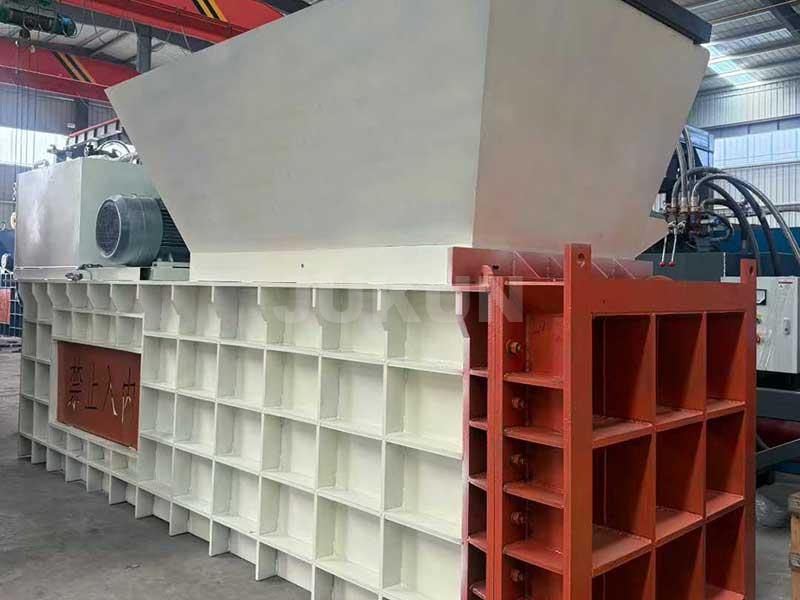
Specification Matching System
| Automation decision matrix | Requirement | Entry-Level | Industrial Grade | Premium Solution |
|---|---|---|---|---|
| Uptime guarantee | 86% | 94% | 98.5% | |
| Material variance | Single-type | 3 material profiles | Unlimited switching | |
| Remote control | Local only | WiFi monitoring | Cloud integration | |
| Error recovery | Manual reset | Auto diagnostics | Predictive correction |
Performance validation kit
Factory acceptance testing:
- Run 200 consecutive cycles
- Test five material transitions
- Simulate power interruptions
- Measure shock transmission
| Lifecycle economics | Component | Value System | Professional Grade | Impact |
|---|---|---|---|---|
| Hydraulic seals | 6-month life | Lifetime guarantee | No downtime | |
| Control system | Local PLC | Cloud-connected | Remote diagnostics | |
| Wear plates | Standard steel | Carbide-coated | 10x longevity | |
| Frame structure | Standard weld | Stress-optimized | Vibration control |
Conclusion
Automated horizontal balers deliver unmatched productivity and labor efficiency for high-volume recycling operations.