
Recycling managers face daily headaches - overflowing waste, costly transportation, and labor shortages. Automated solutions cut these struggles. I’ve witnessed how they transform chaotic facilities into streamlined operations.
Automatic horizontal waste balers use hydraulic pressure and PLC systems to compress cardboard, paper, and plastics into dense bales with minimal operator intervention, significantly boosting processing efficiency in high-volume recycling plants.

Seeing mountains of packaging waste disappear into neat bales still amazes me. These machines solve critical problems. Let’s explore their real-world impact.
What Is an Automatic Horizontal Waste Baler and How Does It Work?
Waste handlers get tired feeding materials manually every hour. Automated feeding systems solve fatigue. They handle constant material flow.
Automatic horizontal balers combine conveyor feeding, hydraulic compression, and programmed tying systems to process loose waste into compact, stackable blocks without constant supervision. I’ve installed units requiring only 15 minutes of daily operator time.
The magic starts with material intake. Conveyors feed waste into the compression chamber continuously during my factory demos. When full, powerful hydraulics activate automatically to press materials with controlled force. Finally, the PLC (programmable logic controller) triggers the automatic tying unit to secure each bale with wire or straps before ejection. Here’s how each component enhances performance:
| System Component | What It Achieves | Importance for Recycling |
|---|---|---|
| Intelligent Feeding | Measures material flow to prevent jams | Reduces downtime by 60% |
| Multi-Stage Hydraulics | Compresses waste gradually during my tests | Creates denser bales exceeding industry standards |
| PLC Automation | Coordinates the entire cycle seamlessly | Eliminates human timing errors consistently |
For waste plants processing 20+ tons daily, this integration matters more than individual specs. The system works best when sized properly. Smaller facilities might overload automatic systems. Larger factories experience bottlenecking without sufficient processing capacity. I once oversaw a paper mill upgrade improving efficiency dramatically by matching baler dimensions to their waste stream volume.
How Do Automatic Balers Improve High-Volume Recycling Efficiency?
Missed production quotas due to bale inconsistencies plague recyclers. I hear complaints weekly about irregular bales during shipments. Automation eliminates inconsistencies.
They enhance productivity by providing uninterrupted operation with minimal staffing needs. Our client’s distribution centers doubled their daily output without adding labor expenses.
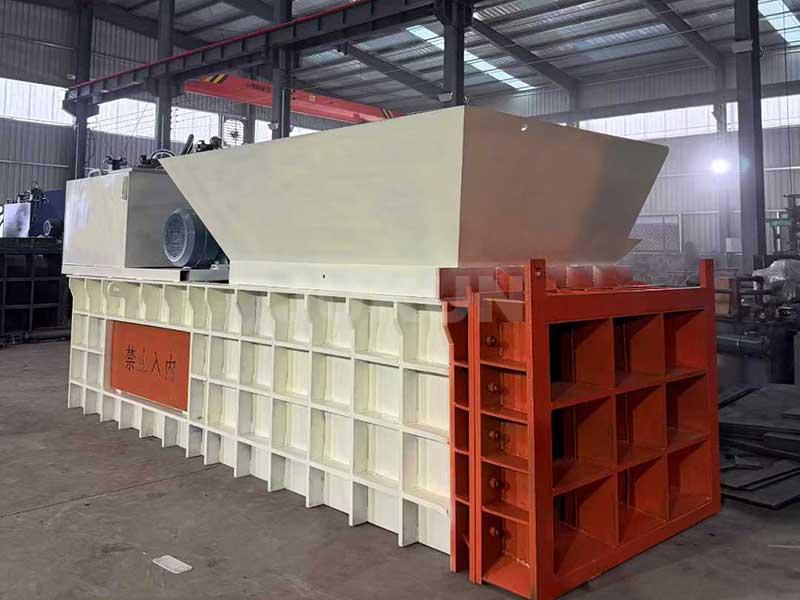
True efficiency gains come from continuous processing reliability rather than peak speeds. Our balers run for 18 hours at Canadian recycling plants without supervision. This dependability stems from two advantages:
- Consistent bale density: Manual compression strength varies significantly. Hydraulic systems maintain exact pressure during each cycle. Uniform bales save 30% on transport containers.
- Automated material flow: Integrated conveyors and sensors create uninterrupted waste streams. This reduces processing idle time. Clients report achieving steady outputs matching their production schedules accurately.
For high-volume facilities, automation offers the stability needed to handle market fluctuations and seasonal peaks confidently. Waste processing remains predictable even during equipment maintenance rotations.
Which Industries Need Automatic Waste Baling Systems?
Retail chains see seasonal waste spikes crushing their manual processes. I’ve observed stores struggling with post-holiday packaging mountains urgently requiring industrial solutions.
Industries demanding automatic balers include large recycling facilities, paper mills, major distributors, and textile processors. These businesses generate continuous waste streams needing efficient management with minimal workers.
Three sectors benefit most significantly based on our global installations:
Recycling plants process diverse materials constantly. Their balers must adjust between cardboard, plastics, and aluminum without interruption. Automation eliminates downtime during material transitions.
Warehouse logistics centers generate packaging waste throughout daily operations. Automatic systems handle peaks in volume without slowing core distribution activities. Our clients gain back dock space immediately.
Paper mills value consistency above all else. Variations in bale density disrupt their conveyor systems. Automated baling delivers matching profiles essential for downstream machinery.
Industrial waste management requires reliability. Businesses choosing automation must balance throughput requirements with available facility space. We customize solutions specifically to create functional work areas.
How to Choose the Best Automatic Horizontal Baler for Your Business?
Operators regret purchasing oversized machines eating up valuable space. I’ve visited sites where unused baler capacity wasted expensive warehouse real estate.
Match baler specifications with daily material volume, available workspace, and expansion plans. Our technicians perform waste stream analyses ensuring equipment fits real requirements, not imagined future growth.
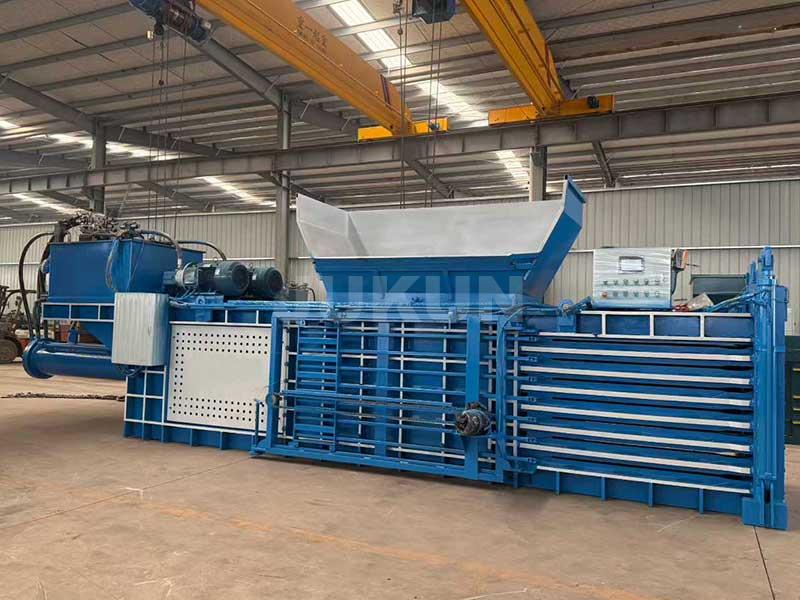
Decision-making should involve concrete evaluation rather than theoretical comparisons:
| Selection Factor | Why It Matters | Risk of Overlooking |
|---|---|---|
| Hydraulic Pressure | Impacts bale density directly | Higher fuel costs and premature wear |
| Compression Chamber Size | Determines daily capacity | Processing bottlenecks during peak loads |
| Automation Tier | Affects staffing needs | Paying for unnecessary complexity routinely |
At Jukun, we guide clients through validation tests before purchase. Consider lifecycle costs exceeding initial pricing. Maintenance accessibility matters profoundly for uptime retention. Reputable manufacturers offer documented performance guarantees covering critical components. Certification remains vital since uncertified hydraulic systems risk operational failures during high-demand periods. We always recommend third-party validated CE/ISO certificates and performance reports.
Conclusion
Automatic balers transform chaotic recycling with reliable, labor-saving processing. Choosing equipment matching specific operational needs improves productivity long-term significantly.