
You may buy a baler that looks right but fails in months. Wrong type, wrong size, hidden costs. I help buyers avoid this every week.
This guide covers horizontal baler types, capacity, prices, and best uses. Match the machine to your material and daily tonnage. Then compare the total cost of ownership, not just the price.
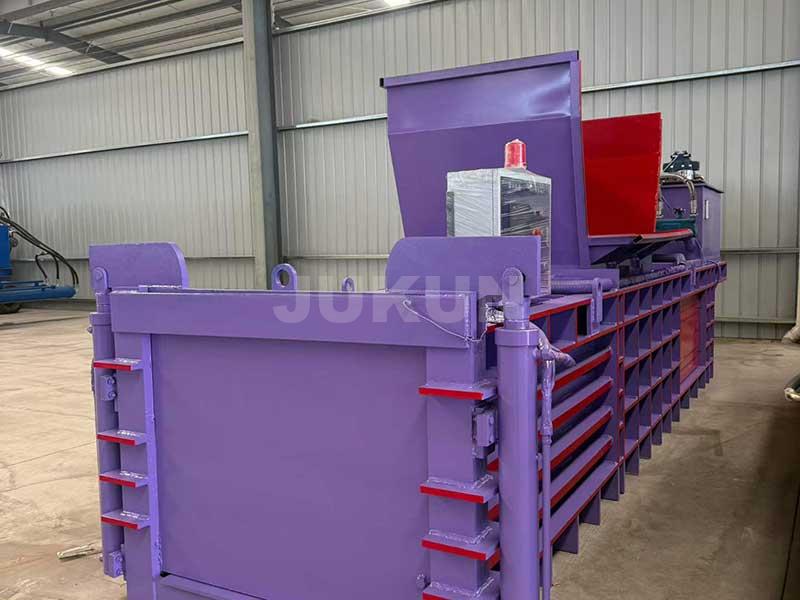
I work at a baler factory in China. I talk to buyers in Canada, Europe, and Southeast Asia every day. I see the same mistakes again and again. I also see which machines last and which ones fail. This article shares what I learn from real orders. It shows the numbers we use in our own workshop. It helps you choose with facts, not guesses.
What Are the Different Types of Horizontal Balers for Recycling?
You see many baler types online. Manual, semi-automatic, and fully automatic. Each type fits a different work flow. Picking the wrong one slows your team every day.
Manual balers need an operator for feeding and tying. Semi-automatic balers handle tying but still need manual feeding. Fully automatic balers feed, compress, and tie with little hand work. Higher automation means higher output and higher price.
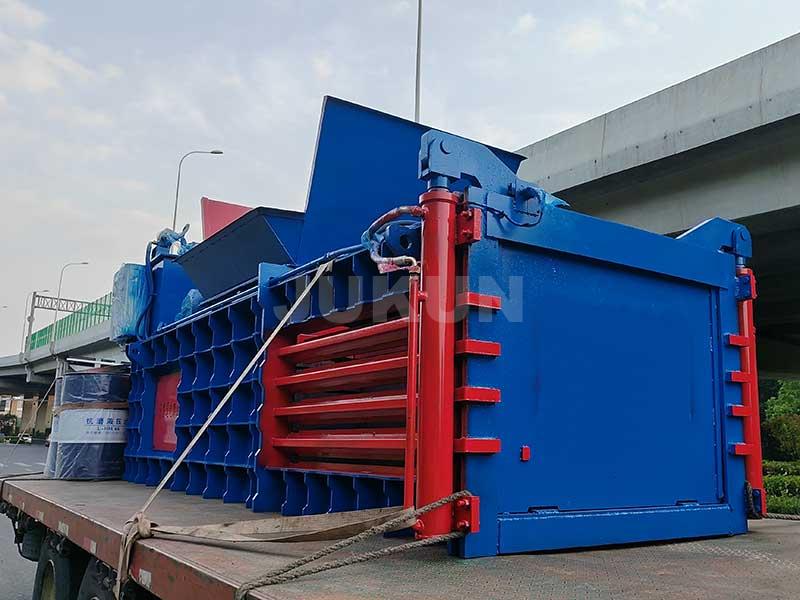 One customer bought a manual baler for a busy warehouse. His team spent hours tying bales by hand. They lost time every shift. Later he moved to a semi-automatic model. The difference was huge. His team focused on sorting, not tying. We see this pattern often. The table below shows three configurations from our own production line. These are real spec ranges, not marketing words.
| Specification | Model HBM-60 | Model HBM-100 | Model HBM-160 |
|---|---|---|---|
| Compression force | 60 tons | 100 tons | 160 tons |
| Motor power | 11 kW | 22 kW | 37 kW |
| Bale size | 1100 x 800 x 700 mm | 1100 x 800 x 900 mm | 1200 x 900 x 1100 mm |
| Bale weight (cardboard) | About 250 kg | About 400 kg | About 550 kg |
| Throughput (cardboard) | About 1.5 t/h | About 3 t/h | About 5 t/h |
| Recommended material | Paper, film plastic | Cardboard, PET | Cardboard, PET, metal |
Do not buy by price alone. Buy by work flow. Ask one question. How many hours per day will the machine run? The answer points to the right type. Also check chamber size and compression force. Cardboard needs a different setup than plastic bottles. Confirm the machine fits your main material before you pay.
How to Choose the Right Horizontal Baler Capacity for Your Business?
You may pick a baler that is too small. Then it cannot keep up with your waste. Or you pick one that is too big. Then you pay more for power and space you do not use.
Start with your daily tonnage. Measure the average and the peak. Then check the real throughput, not just the compression force. Cycle time, chamber size, and feeding method decide real output. Ask the factory for a throughput estimate based on your material
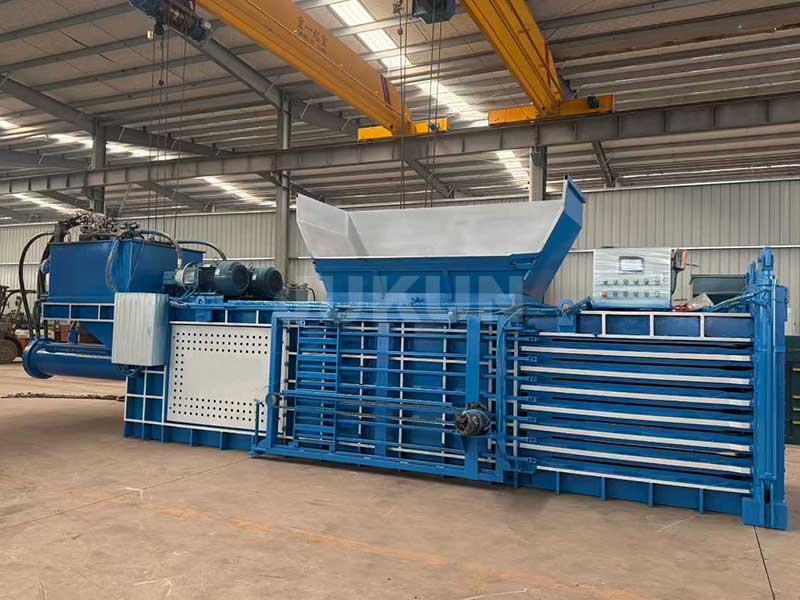
I learned this from a costly case. A customer chose a baler by force rating only. He thought high force meant high speed. It did not. The cycle time was slow. His daily output stayed low. Now we always send a running video under full load. We show the cycle time in seconds. We test with the customer's own material when samples arrive. The table below does not promise fixed tonnage. It shows which type fits which work flow.
| Baler Type | Typical Application | Main Consideration |
|---|---|---|
| Manual or basic horizontal baler | Small operations with limited material volume | Lower initial investment, more manual work |
| Semi-automatic horizontal baler | Medium-volume recycling operations | Balance between labor and automation |
| Fully automatic horizontal baler | High-volume operations with continuous material flow | Higher throughput potential, greater system complexity |
Real output depends on your material, your operators, and your run hours. Ask for the full picture. A good factory gives clear numbers and test videos. A weak one gives big claims and no proof. Plan for growth too. A machine that fits today may fail next year.
How Much Does a Horizontal Baler Cost?
You may see a low price and feel ready to buy. But the price tag is only one part. Shipping, power, parts, and labor add up fast. A cheap machine can cost more over five years.
Prices range widely by type and size. Based on our export records, a compact semi-automatic horizontal baler usually falls between USD 9,000 and 18,000. A mid-size semi-automatic model runs about USD 18,000 to 35,000. A large fully automatic system with conveyor and auto tying often starts near USD 35,000 and can pass USD 90,000. These are reference ranges, not fixed quotes. Material type, bale size, voltage, and safety options all change the final number.
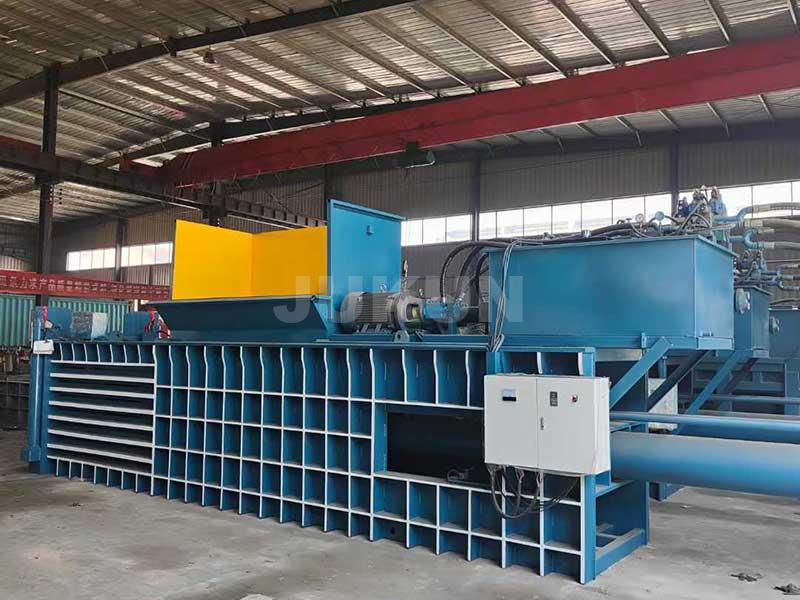
I always ask buyers to compare total cost of ownership. Add five years of power, oil, parts, and labor. One low-price baler cost a customer more in repairs. The cheap pump failed twice. The downtime hurt more than the savings. Now we send a written parts list with prices before the order. We share the motor power rating. We explain the warranty terms in plain words. Use this table when you compare quotes:
| Cost Item | What to Ask | Hidden Risk |
|---|---|---|
| Machine price | Full spec sheet | Missing options raise later cost |
| Shipping | Door-to-door quote | Port fees surprise you |
| Power use | Motor kW and run hours | High power drains profit |
| Spare parts | Price list and stock | Rare parts cause long stops |
| Labor | Operators per shift | Manual tying needs more hands |
For buyers in Canada, confirm voltage and frequency first. Confirm spare parts reach you fast. A low price with slow parts is a bad deal. The best value is the machine that runs every day with little downtime. Ask for the full cost, not the sticker price.
What Materials Can a Horizontal Baler Process, and Which Industries Use It?
You may process cardboard today. But you may add plastic or cans later. A baler that fits only one material may limit your growth. Check material fit before you buy.
Horizontal balers press many materials. Cardboard and waste paper are the most common. Plastic bottles, PET, aluminum cans, and textile waste also work. Some metal scrap works too. But each material needs the right chamber and feed system. Loose bottles feed differently than flat cardboard.
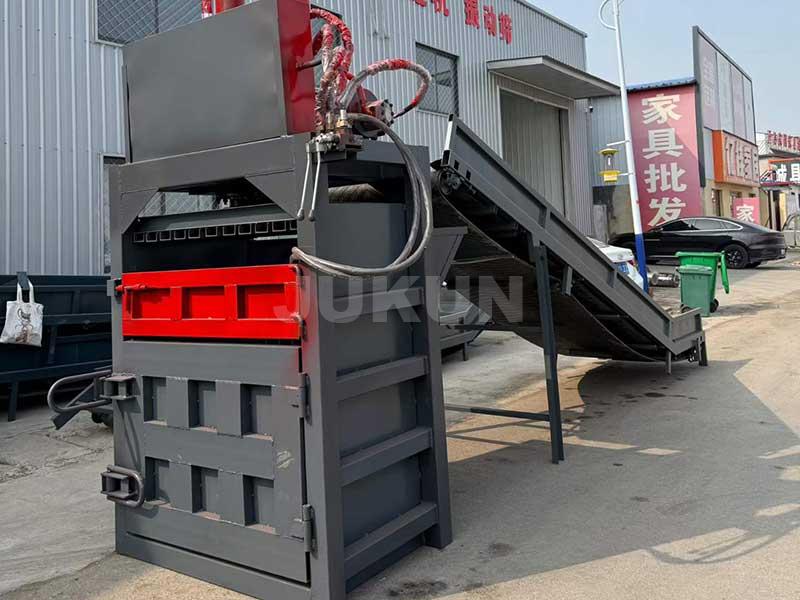
One customer tried to bale bulky plastic in a machine built for paper. The feed jammed often. The bales were loose. He lost time clearing jams. Now we ask for material samples first. We ask for photos and short videos. We test the material in our workshop and send the result. This step saves weeks of trouble. The table below shows how different industries use these machines.
| Industry | Main Material | Key Priority |
|---|---|---|
| Warehouse and logistics | Cardboard boxes | Save storage space |
| Supermarket and retail | Cardboard, film plastic | Fast daily baling |
| Plastic recycling plant | PET bottles, containers | Bale density and feed speed |
| Printing and packaging | Paper trim, board | Steady output |
| Municipal recycling center | Mixed paper and plastic | High throughput, automation |
Match the baler to your main material first. Then check your second material. Ask the factory for a test report. Ask for a video with your material. This step avoids jams and loose bales. It also helps you plan space and power. A good fit means less handling and lower transport cost.
Need Help Choosing a Horizontal Baler?
Send us your material type, daily tonnage, target bale size, and voltage. Our team at Jukun will review your case and recommend a machine configuration. We can send real test videos and a full parts price list before you decide.
Conclusion
Choose the type by work flow, the capacity by daily tonnage, and the cost by total ownership. Match the machine to your material. Then you buy right.