
Are you confused by the huge price differences you see when shopping for a horizontal baling machine online?
Horizontal baling machine prices typically range from $25,000 to over $150,000. The final cost depends on the machine size, automation level, hydraulic power, build quality, brand components, and included features. Most mid-range models for small to medium businesses cost between $40,000 and $80,000.
I have helped hundreds of buyers navigate the pricing maze. Some rushed into buying the cheapest machine and ended up paying more in repairs than they saved. Others overpaid for features they never used. I want to share what I have learned so you can make a smart buying decision.
What Is the Typical Price Range of a Horizontal Baling Machine?
How much should you realistically budget for a horizontal baling machine that fits your operation?
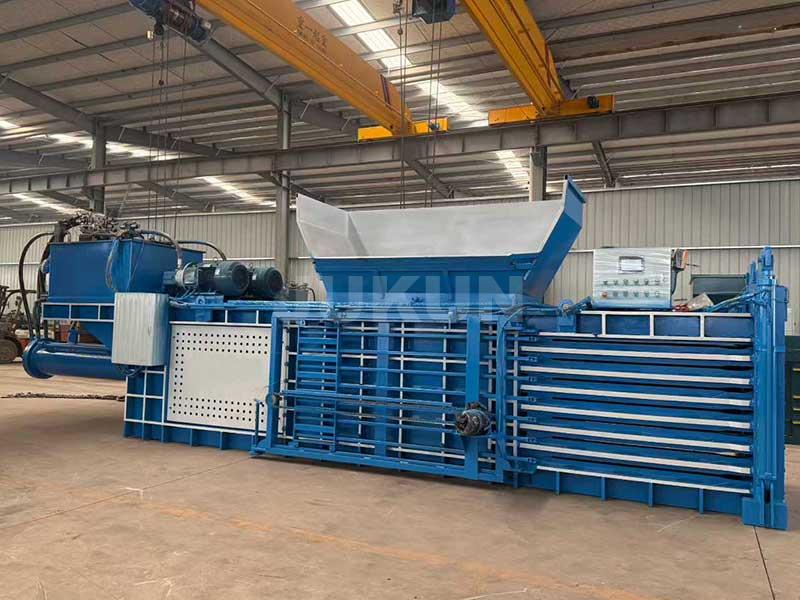
A small semi-automatic horizontal baler costs between $25,000 and $45,000. A mid-range fully automatic model ranges from $50,000 to $80,000. Large industrial systems with conveyors, pre-crushers, and heavy-duty hydraulics can exceed $120,000 to $150,000.
Let me give you a clearer picture of what each price tier looks like.
| Machine Category | Price Range | Daily Capacity | Best For |
|---|---|---|---|
| Small semi-automatic | $25,000 – $45,000 | 2 – 5 tons | Small warehouses, retail stores |
| Mid-range automatic | $50,000 – $80,000 | 5 – 10 tons | Medium recycling centers, distribution hubs |
| Large industrial | $90,000 – $150,000+ | 10 – 20+ tons | Large recycling plants, paper mills |
These prices are for the machine itself. The full cost of getting the machine to your facility and running includes several other items.
A conveyor system adds $5,000 to $15,000. An automatic tying system is usually included in mid-range and higher models but may be extra on entry-level machines. Shipping and customs typically add $3,000 to $10,000 depending on your location. Installation and training add another $2,000 to $5,000. Spare parts kits are often extra and cost $1,000 to $3,000.
I tell every buyer to add at least 15% to 20% to the quoted machine price for these extras. A $50,000 machine often ends up costing $60,000 or more by the time it is running in your facility.
Which Factors Influence Horizontal Baler Prices?
Why do two machines with similar capacities sometimes cost completely different amounts?
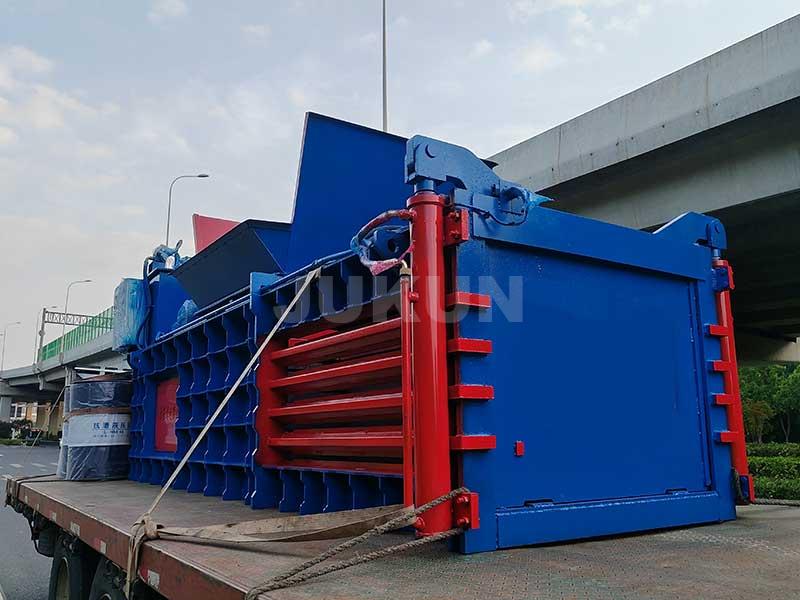
The main factors that influence horizontal baler prices are hydraulic system power, steel quality and thickness, automation level, brand of hydraulic components, bale size and density capacity, conveyor and feeding systems, and the supplier's reputation and location.
Let me walk you through each factor so you know exactly what you are paying for.
Hydraulic system power
The hydraulic cylinder size and pump capacity determine the compression force. A 100-ton machine costs significantly less than a 200-ton machine. But the more powerful machine processes denser materials and produces heavier bales. If you process heavy materials or need high-density bales, you need the extra power.
Steel quality and thickness
This matters more than most buyers realize. Thicker steel costs more but lasts longer. I have seen machines with thin steel develop stress fractures within a year. The welding quality also affects the price. Good manufacturers use certified welders and test every weld joint. Poor welding leads to failures that are expensive to fix.
Automation level
Semi-automatic machines require manual feeding and sometimes manual tying. They cost less. Fully automatic machines have PLC controls, sensors, and automatic tying. They cost more but need less labor to operate. For high-volume operations, the labor savings from automation justify the higher price.
Brand of hydraulic components
Ask about the cylinder, pump, motor, and valve brands. Bosch, Rexroth, and Yuken are premium brands. They cost more but are reliable and easy to source parts for. Generic components from unknown brands lower the price but may fail sooner. Parts can also be hard to find when you need them.
Bale size and density
Larger bales require more steel and more hydraulic force. Machines that produce bales weighing over 500 kg cost more than machines making 200 kg bales. But larger bales reduce transport costs. Work out the cost per ton of shipping to see if the extra cost is worth it.
Feeding system
Conveyors add cost. But they also speed up feeding and improve safety. If you feed manually, you save money on the conveyor but spend more on labor. For high volumes, a conveyor is almost essential.
Customization
Any non-standard features add to the price. Custom bale sizes, special control panels, or specific colors all cost extra. Standard models are the most cost-effective.
Supplier location and reputation
Chinese suppliers generally offer lower prices than European or American suppliers. But not all Chinese suppliers are equal. Reputable factories with ISO certification charge more than small workshops. The extra cost buys quality assurance and reliability.
New vs. Used Horizontal Baling Machines: Which Is Better?
Should you buy a new machine or save money with a used horizontal baling machine?
New machines offer full warranties, modern features, longer lifespan, and predictable performance. Used machines cost 30% to 60% less but come with wear and tear, unknown maintenance history, no warranty, and older technology. For most businesses processing high volumes daily, a new machine is the better investment.

I have seen buyers go both ways. Here is a detailed comparison to help you decide.
Advantages of buying new
A new machine comes with a full warranty. Most manufacturers offer three years of parts coverage. The hydraulic system is fresh. The steel is not fatigued. The technology is current. Energy efficiency is better in newer models. You can customize the machine to your exact needs. The supplier will provide training and ongoing support.
Disadvantages of buying new
The upfront cost is higher. You pay a premium for the new machine. Delivery times can be long, especially from overseas suppliers. You need to wait for manufacturing and shipping.
Advantages of buying used
The purchase price is lower. You can often find used machines for 40% to 60% of the new price. Delivery is faster because the machine is already built. The machine has a track record. If it has been running well, you know it works.
Disadvantages of buying used
The machine has wear. Hydraulic components may be near the end of their life. The steel may have fatigue cracks that are not visible. There is no warranty. You cannot customize the machine. Older technology may be less energy efficient. The history is often unknown. The seller may not disclose past repairs or issues.
What to check before buying used
If you decide to buy used, do your homework. Ask for maintenance records. Check the hydraulic oil for contamination. Look for visible cracks in the steel frame. Run the machine if possible. Listen for unusual noises. Check the bale quality. Ask why the owner is selling.
I have seen buyers get great deals on used machines. I have also seen buyers inherit expensive problems. If the machine is a few years old with low hours and good maintenance records, it can be a smart purchase.
How to Choose a Cost-Effective Horizontal Baling Machine
How do you choose a horizontal baling machine that gives you the best value for your money?
To choose a cost-effective horizontal baling machine, calculate your daily waste volume accurately, match the machine size to your needs without overbuying, compare quotes from multiple suppliers, check build quality and component brands, and consider the total cost of ownership including energy use, maintenance, and expected lifespan.
Here is my step-by-step process for finding the best value machine.
Step 1: Measure your daily waste volume accurately
This is where many buyers make their first mistake. Do not estimate. Weigh your waste for a full week. Include all materials. Account for seasonal peaks. This tells you the minimum daily capacity you need. Buying a machine that is too small creates bottlenecks. Buying one that is too large wastes money.
Step 2: Match the machine to your material type
Cardboard requires less pressure than plastic film. Plastic film needs a pre-crusher. Metal scrap needs the highest pressure. Tell the supplier exactly what materials you process. Ask for the recommended pressure and configuration for your material mix.
Step 3: Compare at least three suppliers
Never buy from the first supplier you talk to. Get quotes from at least three suppliers. Compare the machine specifications carefully. One supplier may offer a better warranty. Another may include a conveyor in the base price. Another may have better shipping terms. The cheapest machine is rarely the best value.
Step 4: Check the specifications carefully
Look at the steel thickness, hydraulic pressure, motor power, and bale size. Make sure the specifications match your requirements. Some suppliers inflate their specs. Ask for documentation. Visit the factory if possible to verify the build quality.
Step 5: Look at the total cost of ownership
The purchase price is just one part of the cost. Energy consumption matters. A more efficient motor uses less electricity. Maintenance costs vary between machines. Easier access to components means lower repair costs. The expected lifespan also matters. A machine that lasts 15 years is cheaper than one that lasts 8 years at the same price.
Step 6: Consider the supplier's reputation
Check the supplier's history. How long have they been in business? Do they have positive reviews? Ask for references and contact previous customers. One client told me a supplier delivered on time and the machine worked perfectly. Another told me a different supplier delivered late, and the machine had multiple issues. The reputation matters.
Step 7: Verify quality certifications
Look for ISO 9001 certification. This shows quality management systems are in place. CE certification is required for export to Europe. It also indicates compliance with safety standards. Ask for material certificates that show the steel grade and quality. Suppliers who can provide these are more trustworthy.
Step 8: Understand the warranty
A three-year parts warranty is common. But read the details. Some warranties cover only the main frame, not the hydraulic components. Some cover parts but not labor. Some require you to pay shipping costs for replacement parts. Understand what you are getting before you buy.
Step 9: Consider shipping and logistics
Understand the shipping terms. CIF includes shipping and insurance. FOB means you arrange shipping yourself. Ask about the delivery timeline. Delayed shipments can cost you business. Check the supplier's track record for meeting delivery dates.
Step 10: Factor in installation and training
Ask if the supplier provides installation support and training. Some send technicians to your facility. Others provide online support. Training is important for safe and efficient operation. Factor these costs into your budget.
Step 11: Test the machine if possible
If you can, send your materials to the supplier for a test run. Watch how the machine handles your waste. Check the bale quality and density. This is the most reliable way to confirm the machine meets your needs.
Conclusion
Horizontal baling machine prices vary widely based on size and features, but matching the machine to your actual needs ensures the best value and fastest return on investment.