
Warehouses overflow with recyclables, crippling productivity daily. Transporting bulky waste bleeds profits monthly. Hydraulic baling machines crush both problems instantly.
Hydraulic compression baling machines use industrial-grade hydraulic power to compact cardboard, plastics, textiles, and metals into dense bales. This slashes storage space by 70%, cuts transport costs by 50%, reduces handling labor significantly, and maximizes recycling efficiency for high-volume operations.
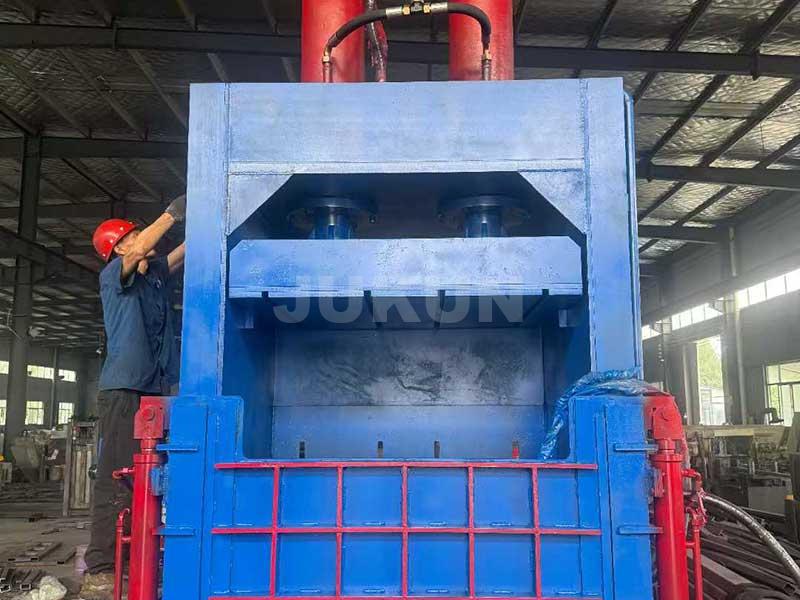
Watching mountains of waste disappear into tight cubes feels satisfying. Yet the true transformation lies beneath the surface.
What Is a Hydraulic Compression Baling Machine?
Workers struggle with flimsy compactors failing daily. Materials rebound instead of compressing. Professional hydraulic balers solve this core challenge.
It's industrial recycling equipment that crushes loose materials using hydraulic cylinders. Powerful steel plates compact waste inside fortified chambers. Output becomes dense rectangles optimized for stacking, storage, and transport. Horizontal design handles continuous material flow.
Key systems work together:
- Hydraulic power packs: Generate 25-300 tons force for various densities
- Reinforced chambers: Solid I-beams withstand repeated high-pressure crushing
- Programmable controls: Customize compression cycles for different materials
- Anti-rebound systems: Prevent material expansion after compression
When Toronto recyclers faced cardboard spring-back, we added secondary compression. Their bale density improved 42%. Remember: hydraulic cylinder seals need cold-resistant compounds for Canadian winters to maintain reaction speeds.
How Does Hydraulic Compression Technology Work?
Hydraulic leaks halt production lines weekly. Inconsistent pressure fails compaction. Proper engineering solves these breakdowns.
Hydraulic pumps push oil into cylinders. High-pressure oil moves pistons crushing materials. Force control valves maintain steady pressure. PLC systems adjust cycle length and intensity. Consistent crushing creates uniform density.
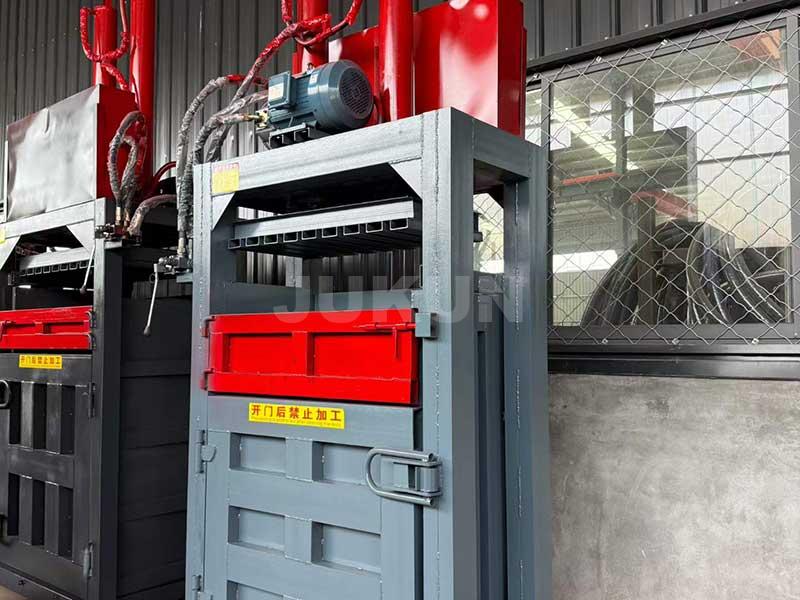
Critical operational factors:
| Element | Industry Standard | Jukun Solution | Impact |
|---|---|---|---|
| Oil Temperature | ±5°C variation allowed | ±1°C precision with chillers | 17% longer pump lifespan |
| Pressure Control | Manual adjustment | Automatic load-sensing valves | 8% denser bales |
| Cycle Timing | Fixed intervals | Material-density feedback | 22% faster processing |
| Filtration | 100 micron standard | 25 micron nano-filters | 3x cleaner oil |
Watch oil contamination closely - metal shavings destroyed a Quebec buyer's pump. Our hydraulic fluid purity sensors prevent unexpected failures during peak-season cardboard compaction.
What Materials Can Hydraulic Balers Process?
Cardboard clogs PET plastic lines weekly. Mixed materials demand versatility. Hydraulic pressure adapts to everything.
Compression balers process cardboard stacks, plastic PET bottles, woven agricultural film, shredded textiles, aluminum cans, ferrous scrap metals, and mixed recycling streams. Different pressure profiles suit unique material characteristics.
Processing strategies vary:
- Corrugated cardboard: Needs 80+ tons compression with dwell time
- Stretch film: Requires gradual pressure ramping to prevent cutting
- Metal turnings: Benefits from pre-compression chambers to contain chips
- Textile waste: Demands faster cycles to prevent fiber heating
We redesigned hydraulics for an Ontario farmer processing hay wrap plastic. Reducing cylinder speed eliminated tearing issues. Material tests proved essential - improper PET compression melts bottle necks into "density voids" that cost recycling plants $12,000 monthly.
How to Choose a Reliable Hydraulic Baler Manufacturer?
Supplier delays create $30,000/hour downtime costs. Hidden defects cause production disasters. Engineering partnerships prevent crisis.
Prioritize direct factory access, verify hydraulic test records, demand material processing videos, confirm component sources, validate certification authenticity, and test response times before purchasing.
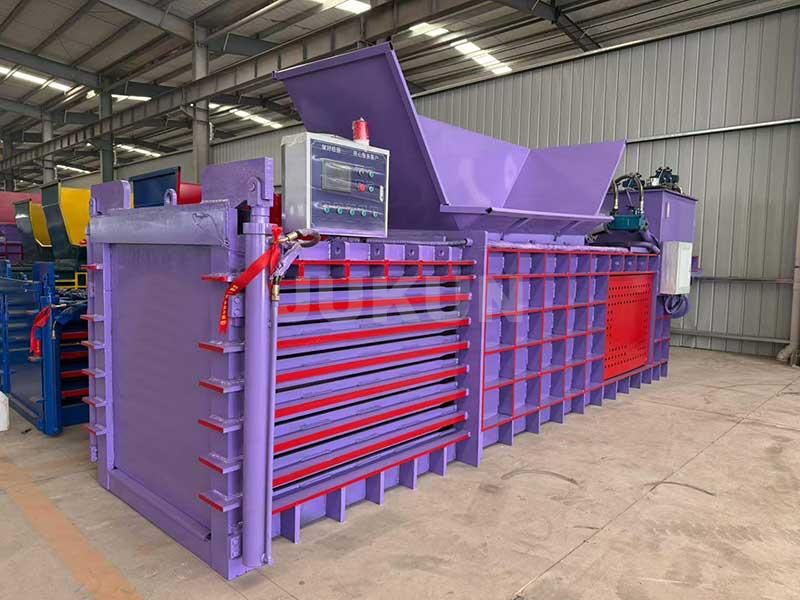
Five essential checks prevent regrets:
- Hydraulic validation: Pressure graph recordings covering load testing
- Lead time proof: Live production floor tour via video call
- Material trials: Send sample waste for compaction verification
- Shipping transparency: Container loading photos versus paperwork
- Timezone support: Guaranteed 4-hour emergency contact response
When a Montreal buyer discovered forged CE certificates, we offered factory live-streams instead. Our hydraulics show pressure gauges during customer video tests. For Canadian winters, always confirm cylinder oil viscosity ratings - substandard fluids thicken below -10°C, tripping safety locks during cardboard baling.
Conclusion
Hydraulic baling machines boost recycling efficiency tremendously. They compress diverse materials densely while reducing costs system-wide. Careful manufacturer selection maximizes returns.