
Waste piles up differently for each business, wasting space and money. Standard balers often fail these challenges. Custom solutions crush this problem perfectly.
Custom horizontal baling solutions are precision-engineered recycling systems tailored to specific waste types. They adjust bale sizes, compression force, feeding methods and automation to maximize compaction efficiency. This reduces operational costs while handling unique materials.
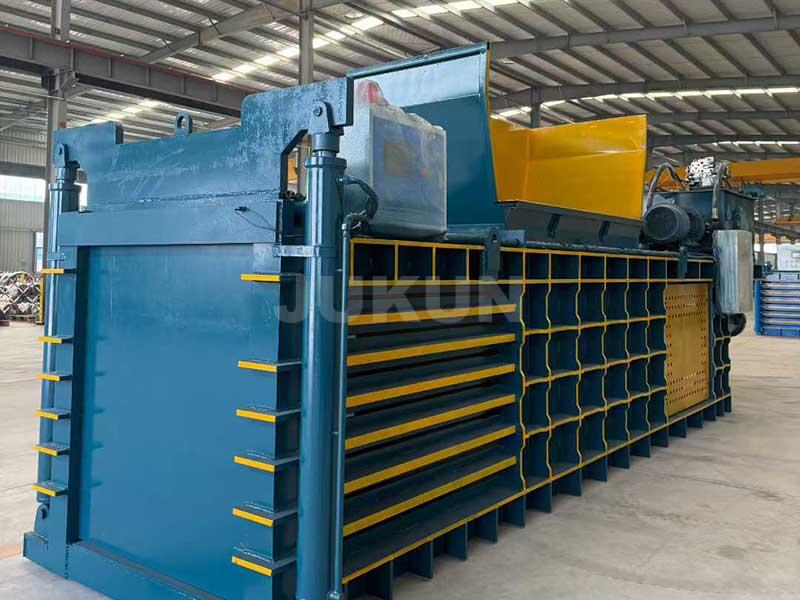
Watching tangled textile waste frustrates owners. That’s when customized compaction becomes essential for business survival.
What Are Custom Horizontal Baling Solutions?
Generic equipment collects dust while specialized materials jam machines. Time and money evaporate daily. Tailored balers attack this core problem directly.
These are modified recycling machines built for unique challenges. They adapt chamber dimensions, hydraulic power and feeding mechanisms to handle specific waste volumes, densities and material types beyond off-the-shelf options.
True customization means more than resizing - it requires engineering insight:
- Process integration: How conveyors feed materials affects speed
- Pressure profiles: Cardboard needs different crushing than EPS foam
- Environmental factors: Humidity-resistant controls in tropical climates
- Future planning: Modular designs allow easy capacity upgrades
We recently helped a Canadian client compact fishing nets that kept tangling in standard balers. By adding specialized cutters and adjusting ram speed, waste processing time dropped 60%. Matching cylinder stroke length to material elasticity prevents costly jams - stiff plastics snap if compressed too fast.
Which Baler Features Can Be Customized?
Ever seen workers manually cutting oversized waste that won’t fit? Production halts burn profits hourly. The right adjustments keep profit flowing.
Nearly every component adapts: bale sizes from 20-200cm, hydraulic forces of 20-300 tons, automatic wire-tying systems, PLC controls and specialized feeding conveyors.
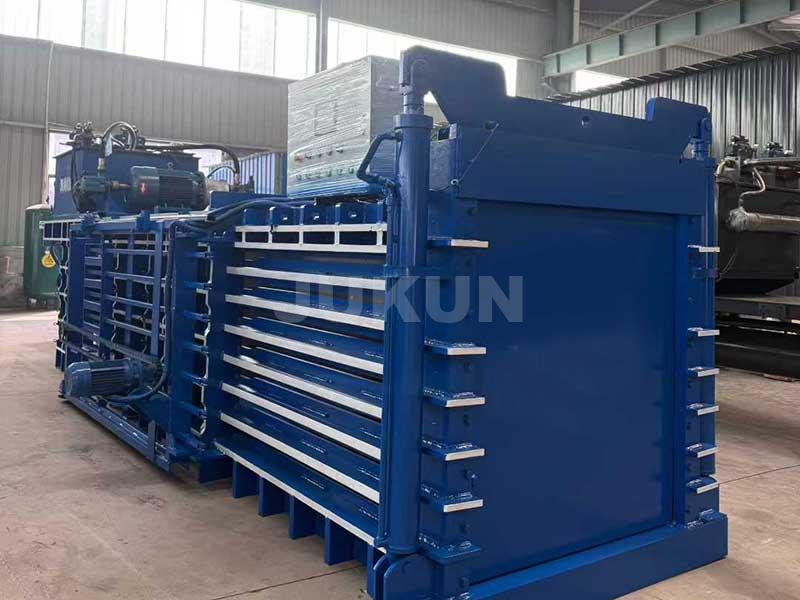
Understanding modification impacts prevents costly mistakes:
- Feed openings: Larger for pallets; segmented for textiles
- Pressure plates: Serrated edges grip slippery films
- Control interfaces: Touchscreens track material-specific cycles
- Safety systems: Infrared stops protect irregular-shaped items
One packaging company tried saving money with standard equipment first. Their plastic films would slide during compression, wasting hours daily. Our angled compression plate redesign eliminated slippage. Regular plastic recycling surged from 2 tons to 14 tons daily. Remember: conveyor angles must complement feed mechanisms or blockages happen.
What Industries Need Customized Waste Compaction Systems?
Noticing your neighbor’s baler sits idle? One industry’s solution becomes another’s costly mistake. Precise engineering makes materials matter.
Recycling plants, paper mills, textile recyclers and plastic processors require them most. Each generates unique waste streams needing specialized compression.
Distinct industry needs demand different solutions:
| Industry | Customization Need | Standard Solution Failure |
|---|---|---|
| E-Waste Recycling | Non-uniform item sizes | Jams from circuit boards |
| Furniture Foam | Low-density material resistance | Insufficient compression depth |
| Textile Recycling | Fabric entanglement | Hydraulic pressure dropouts |
| Glass Packaging | Sharp fragment hazards | Seal damage and safety risks |
Take automotive shredder residue: fluff contains metals, plastics and fibers. Our Canadian partner added multi-stage compression cycles to handle varying densities. Output jumped 200% versus their previous equipment. Material analysis proves essential - compression force misalignment causes premature wear costing thousands yearly.
How to Choose a Custom Baler Manufacturer Like Jukun Machinery?
Supplier delays cost a Toronto customer $150,000 last peak season. Generic promises lead to profit loss. Engineering partnerships prevent these disasters.
Evaluate technical communication skills first. Then verify 3D modeling capabilities. Confirm local technical support. Never compromise on real factory inspection access.
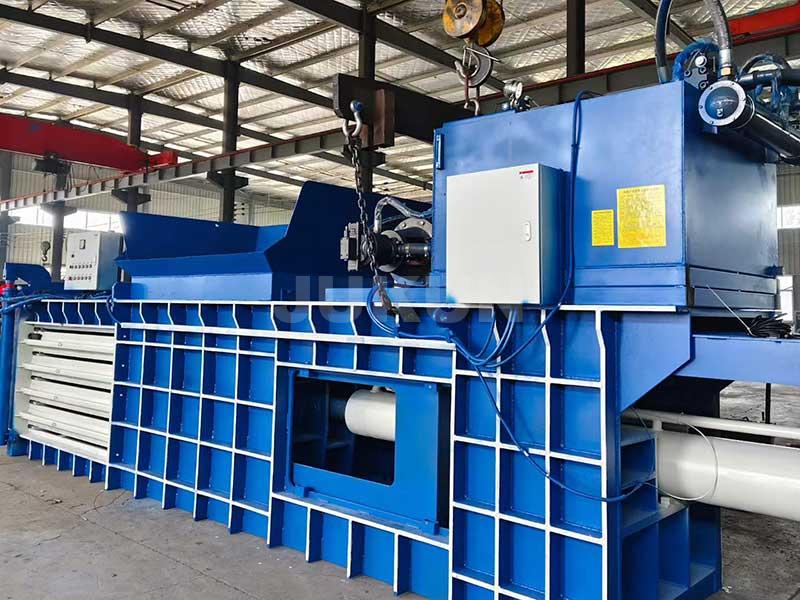
Five crucial selection tests apply:
- Problem-solving process: How they diagnose compression challenges
- Prototyping ability: Virtual models reduce costly modifications later
- Document transparency: Demand hydraulic schematic explanations
- Test protocols: Raw material trials prevent mismatch disasters
- Logistics planning: Container loading photos versus promises
I once caught a supplier falsifying factory images during video calls. Now we insist on live facility walkthroughs. Our clients like Jacky get real hydraulic test reports and material compaction videos before shipping. Time-zone aligned production engineers ensure midnight emails get answered - preventing installation delays that kill seasonal profits.
Conclusion
Custom horizontal balers solve unique waste challenges off-the-shelf machines can’t. They transform specialized materials into profit while cutting costs and space needs.