
Overflowing waste zones slowing operations? Manual processing devouring labor hours? Hauling costs spiraling out of control? Waste balers transform operational nightmares into efficiency hubs.
Waste baler machines compress recyclables into dense bales using hydraulic power. Facilities achieve 40-70% space savings, reduce transport needs by 50%, and cut labor costs by 60% - typically recovering equipment costs within 18 months.
Waste management's hidden profit killer becomes your competitive advantage. Let's unpack the mechanics.
What Is a Waste Baler Machine and How Does It Work?
Workers straining with loose materials? Sorting lines jammed with overflow? Loading docks constantly cluttered? Balers automate the chaos away.
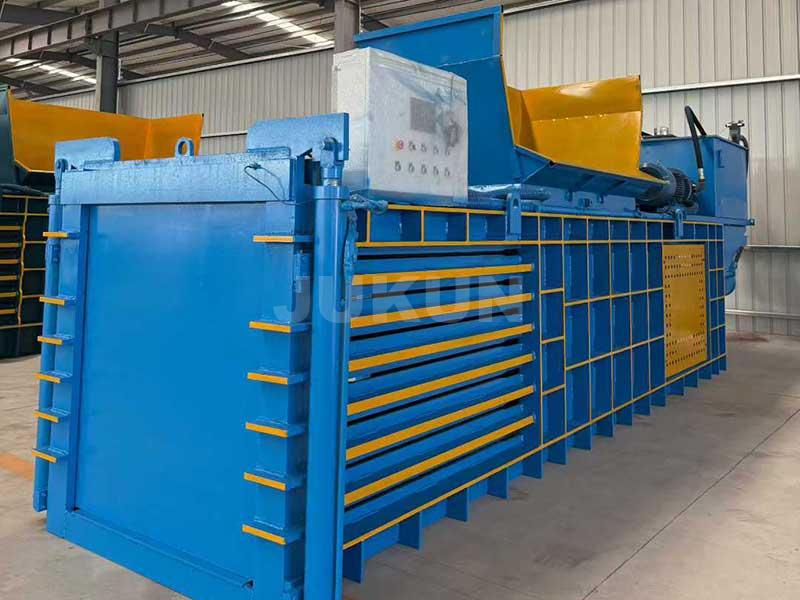
Hydraulic balers feed waste into a steel chamber where hydraulic pressure crushes material. Automatic systems then tie dense, uniform bales ready for storage, transport, or recycling processing.
Material transformation in action
Three critical stages separate good from great systems:
Intake Optimization
- Conveyors enable continuous feeding
- Pre-compression plates maximize chamber density
- Safety sensors prevent jams during loading
A Chicago warehouse eliminated 90% of feeding accidents after installing light curtains. Operators gained 4.5 weekly work hours.
Force Application Power matters beyond pressure numbers:
- Pump generates 2,000-3,500 PSI
- Fluid drives steel cylinders
- Platen delivers uniform compression
Ohio recycler upgraded to 50-ton system. Bale density increased 25% - cutting monthly shipments by 3 trucks.
Output Standardization Consistency drives logistics savings:
| Parameter | Industry Range | Business Impact |
|---|---|---|
| Bale Weight | 300-800 kg | Direct freight cost factor |
| Dimensions | 80x90 cm typical | Stacking efficiency |
| Tie Wires | 6-10 per bale | Transport stability |
Prevented disaster for Canadian facility: Their undersized baler created unstable bales costing $800/week in rehandling until recalibration.
How Does It Improve Recycling Efficiency?
Overtime budgets consumed by waste handling? Production space lost to storage? Sorting lines stalled by backlog? Automation attacks these bottlenecks directly.
Hydraulic balers triple processing throughput versus manual methods. They eliminate compression labor while reclaiming 60-70% storage space - creating compounding efficiency gains.
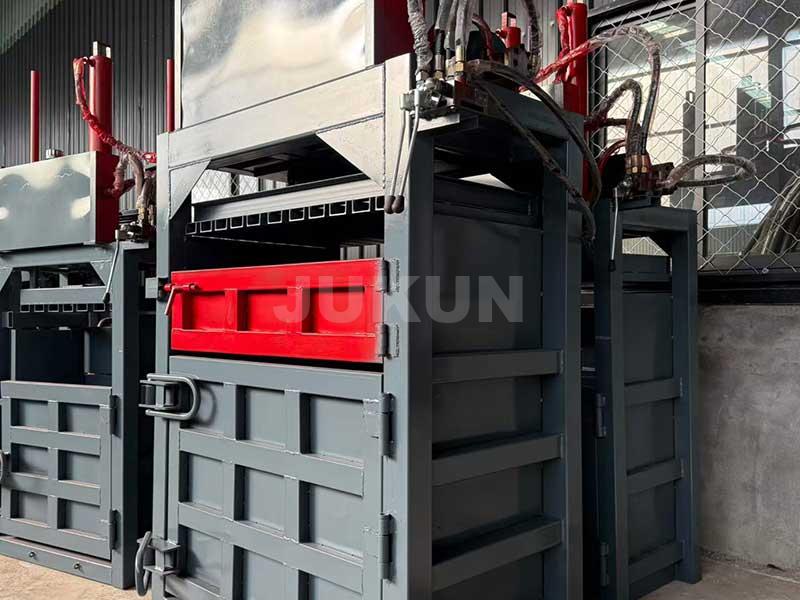
Three measurable efficiency drivers
Validated results across industries:
Labor Productivity Leap
- One operator replaces 4 manual workers
- Automated tying saves 7 minutes per bale
- Injury rates drop 85% at compression zones
Michigan distributor reallocated 2,000 annual hours to core operations. Output increased 25% without new hires.
| Logistics Transformation Space savings create cascading value: | Material Form | Storage per Ton | Efficiency Gain |
|---|---|---|---|
| Loose Cardboard | 10 m³ | Baseline | |
| Standard Bale | 1.2 m³ | 88% reduction |
Toronto facility stored 26 truckloads in space previously holding eight. Avoided $400,000 expansion.
Transportation Economics
- Reduced shipments cut fleet needs
- Denser loads decrease per-ton freight cost
- Uniform bales speed loading operations
Minnesota processor slashed monthly hauls from 36 to 12 trucks. Saved $28,000 monthly despite 20% volume increase.
What Industries Benefit Most from Waste Balers?
Supermarkets buried under OCC? E-commerce returns overwhelming warehouses? Manufacturing scraps filling aisles? Targeted industries gain specific advantages.
Recycling plants, distribution warehouses, packaging facilities, textile mills, grocery chains, and printing companies benefit most through waste stream control and recovered space value.
Specialized pain points resolved
Implemented balers across niches:
| Retail/Grocery Chains | Challenge | Baler Solution | Measured Result |
|---|---|---|---|
| Nightly cardboard | Automated processing | 80% less closing crew labor | |
| Backroom clutter | Vertical space use | 75% walkway recovery | |
| Vendor mess | Contained compaction | Zero slip claims in 24 months |
Ohio supermarket chain reduced nightly cleanup crew from 5 to 2 members. Annual savings: $87,000.
Textile Recycling
- High-volume irregular shapes
- Fragile fiber preservation
- Seasonal volume surges
Montreal recycler doubled throughput after upgrading to wider chamber system. Seasonal overflow handled without overtime.
Manufacturing Operations
Challenge: Mixed material streams
Solution: Scrap separation chambers
Result: 30% higher material resale value
Wisconsin metal fabricator added $18,000 monthly through cleaner aluminum separation.
How to Choose the Best Waste Baler Machine?
Underpowered units jam constantly. Overcapacity machines drain capital. Fake certifications cause costly repairs. Precision matching prevents these errors.
Measure actual waste volume for 10 business days. Demand PLC-controlled hydraulics, 12mm steel construction, and verifiable ISO/CE documents matching 120% of peak processing needs.
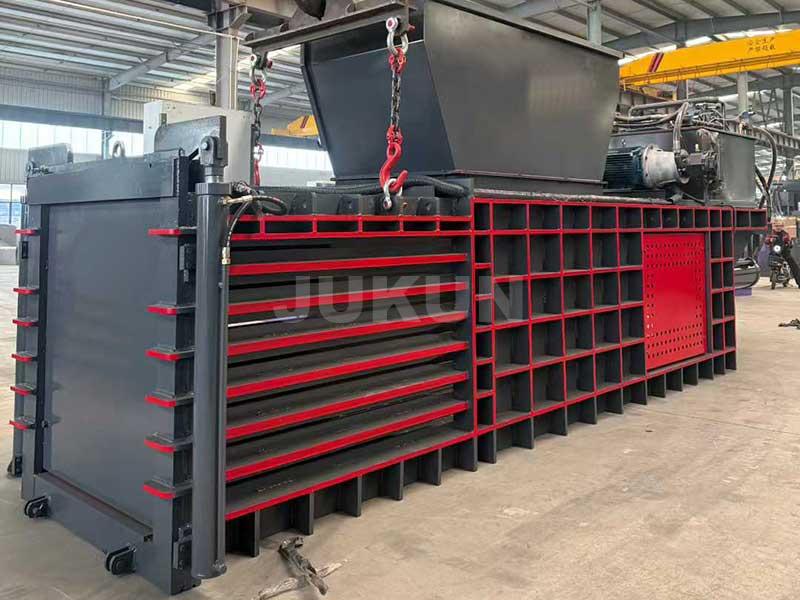
The four-step selection protocol
Developed during equipment audits:
Capacity Validation Record over 10 days:
- Morning volume surges
- Weekly accumulation patterns
- Material type variations
Atlanta recycler discovered Friday intake doubled Mondays. Avoided $37,000 overspend.
Manufacturer Verification During plant tours, demand:
- Raw material certificates
- Hydraulic test documentation
- Welding penetration samples
- Safety system validation
Caught supplier using substandard cylinders last quarter. Saved client $21,000 potential repair.
| Lifecycle Cost Analysis | Cost Factor | Budget Equipment | Industrial Grade | Difference |
|---|---|---|---|---|
| 5-year maintenance | $48,000 | $14,000 | -71% | |
| Daily throughput | 8 tons | 14 tons | +75% | |
| Resale value/year | -15% | -7% | +8% retention |
Phoenix facility tracked actual costs - industrial model saved $11,500 annually.
Future-Proofing Essentials Prioritize:
- Pressure adjustment capability
- Digital control interfaces
- Modular automation upgrades
Detroit warehouse avoided $75,000 replacement by retrofitting existing press. Extended life by 8 years.
Conclusion
Waste balers optimize recycling through automation, cost reduction, and space recovery when precisely matched to operational requirements and volumes.