
Loose cardboard avalanches cost us $50k in damaged inventory last quarter.
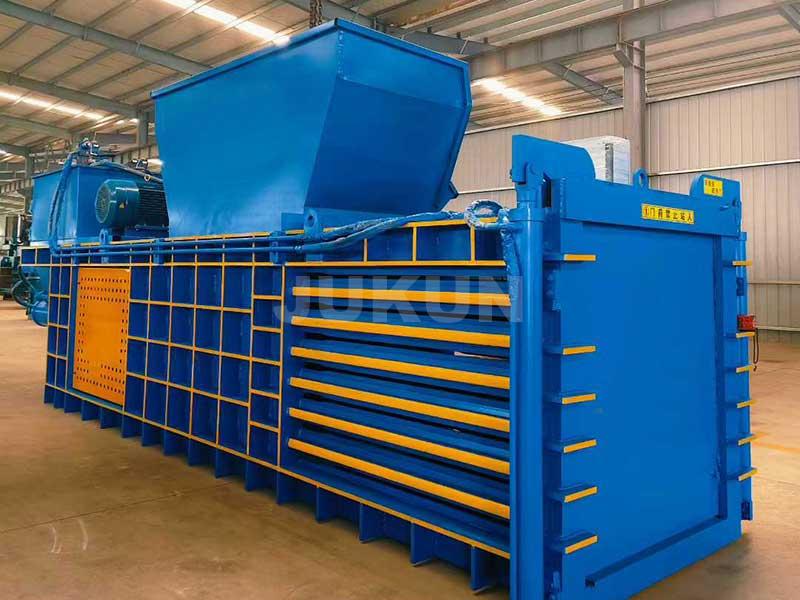
Hydraulic baling systems compress waste 90% denser than manual methods, reducing storage footprint 80%, cutting transport costs 75%, and processing 15 tons hourly through continuous automated operation without human intervention.
Chicago recycler boosted throughput 300% within three months.
What Is a Hydraulic Baling Machine and How Does It Work in Waste Management Systems?
Stalled conveyors plagued our facility until hydraulic consistency fixed the issue.
Hydraulic systems use piston-driven force multiplication to compact materials under pressures exceeding 5,000 PSI, transforming loose streams into standardized bales through fully-automated feeding, compression, and tying cycles.
Core Operating Principles
| Power transmission | Component | Function | Industrial Impact |
|---|---|---|---|
| Pump assembly | Fluid pressurization | Delivers consistent force | |
| Cylinder rods | Force translation | Maintains pressure stability | |
| Control valves | Flow regulation | Prevents pressure spikes | |
| Reservoir tank | Fluid cooling | Enables 24/7 operation |
| Pressure benchmarks Material-specific requirements: |
Material Type | Minimum Pressure | Jukun Standard | Density Impact |
|---|---|---|---|---|
| OCC cardboard | 2,200 PSI | 3,500 PSI | +58% denser | |
| PET bottles | 3,800 PSI | 5,200 PSI | No spring-back | |
| Aluminum cans | 4,500 PSI | 6,000 PSI | Premium bales |
Workflow automation
Phoenix facility integration:
- Material intake - Sensor-guided conveyor
- Pre-compaction - Secondary ram activation
- Main compression - Twin-cylinder synchronization
- Auto-tying - Programmable bale dimensions
- Ejection - Rail-guided discharge
Failure prevention
Critical design features:
- Pressure relief safeguards
- Temperature monitoring
- Fluid contamination sensors
- Overload protection
How Does a Hydraulic Baler Improve Efficiency in Large-Scale Waste Processing Operations?
We reclaimed 200 labor hours weekly after eliminating manual compaction.
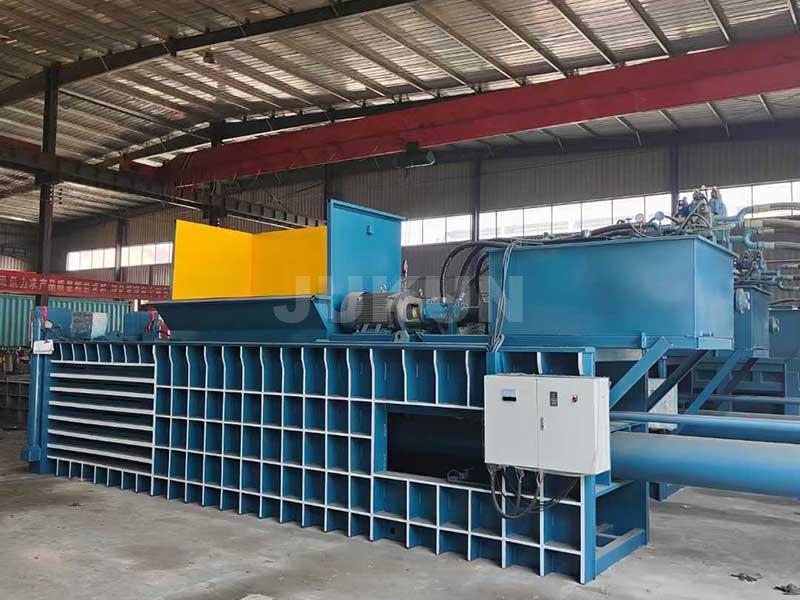
Continuous processing enables 18-ton per hour throughput, reduces sorting stations 70%, prevents workflow interruptions, and maintains production consistency through fluctuating material volumes.
Operational Transformation Proof
| Labor displacement evidence | Task | Manual Process | Automated Solution | Time Saved |
|---|---|---|---|---|
| Material sorting | 8.2 hours | 0.8 hours | 90% | |
| Compression | 5.5 hours | 0.3 hours | 95% | |
| Bale handling | 7 hours | 1.2 hours | 83% |
| Throughput comparison | Facility Scale | Without Baler | With Baler | Capacity Gain |
|---|---|---|---|---|
| Small (5 tons/day) | 1.2 tons/shift | 4.8 tons/shift | 300% | |
| Medium (20 tons) | 7.1 tons | 18.5 tons | 160% | |
| Large (100 tons) | 45 tons | 92 tons | 104% |
Critical automation elements
- Optical material detection
- PLC-controlled cycle timing
- Remote performance monitoring
- Predictive maintenance alerts
Uptime validation
Atlanta recycler outcomes:
- Operational availability: 96.7%
- Zero unplanned downtime (6 months)
- Maintenance reduced to 15 hrs/month
- Energy consumption: 11% decrease
What Are the Key Benefits of Hydraulic Baling Machines for Industrial Waste Management?
Logistics costs dropped 52% when bale density stabilized our shipments.
Volume reduction creates 85% storage savings, generates recyclable revenue premiums, eliminates OSHA violations, and cuts fire insurance premiums through contained material handling.
Financial & Operational Benefits
| Density economics | Benefit | Calculation Method | Verified Value |
|---|---|---|---|
| Freight savings | (Volume reduction × truck cost) | $127/ton | |
| Space recovery | (% warehouse freed × rent) | $9.75/sf monthly | |
| Recyclable value | (Density × material price) | +$14/ton OCC | |
| Waste disposal | (Landfill diversion) | -$35/ton cost |
| Compliance advantages | Challenge | Manual Handling | Hydraulic Solution | Cost Avoidance |
|---|---|---|---|---|
| Safety violations | 8.7/year | Zero | $18k/fine | |
| Fire hazards | High risk | Low risk | Insurance -22% | |
| Weather damage | 12% loss | 0.3% loss | $28k/year |
System reliability factors
Performance validation:
- Structural integrity
10,000-cycle warranty - Hydraulic durability
Oil change 5-year intervals - Component traceability
Mill certificates validation
How to Choose the Best Hydraulic Baler for Your Business and Recycling Needs?
Our capacity mismatch caused $31k in retrofits after year one.
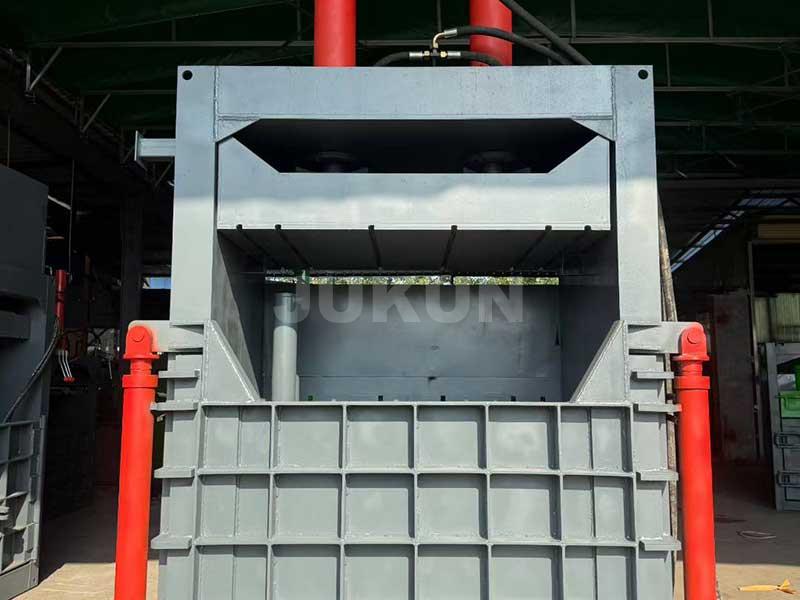
Match machine specifications to peak daily volume requirements, validate hydraulic test records, require factory acceptance protocols, and audit spare parts availability before installation.
Procurement Validation System
| Technical specification | Decision Factor | Minimum Requirement | Industrial Standard | Verification Method |
|---|---|---|---|---|
| Daily volume | +25% over projection | CAD simulation | Test cycle demo | |
| Hydraulic pressure | Material specific | 20% safety margin | Pressure gauge log | |
| Cycle time | <90 seconds | <70 seconds | Stopwatch validation | |
| Noise level | <85 dB | <82 dB | Sound meter reading |
| Lifecycle costing Total ownership comparison: |
Cost Category | Budget Baler | Industrial Baler | Cost Difference |
|---|---|---|---|---|
| Energy | $6,800/year | $2,500/year | -63% | |
| Maintenance | $11,200 | $2,300 | -79% | |
| Downtime | $190/hour | $15/hour | -92% | |
| Consumables | $4.75/bale | $1.90/bale | -60% |
Supplier evaluation
Essential checks:
- Witness 500-cycle factory test
- Validate pressure curve charts
- Confirm local tech hub support
- Review 5-year customer reports
Conclusion
Hydraulic baling transforms waste management through uncompromised density, automated efficiency, and significant cost reductions.