
Watching overflow bottlenecks cost $22k weekly forced our operation transformation immediately.
High-capacity horizontal balers process 8-16 tons daily using PLC automation, continuous feeding systems, 220-ton hydraulic forces - converting chaotic waste streams into dense bales that slash storage needs 75% while cutting labor costs drastically.
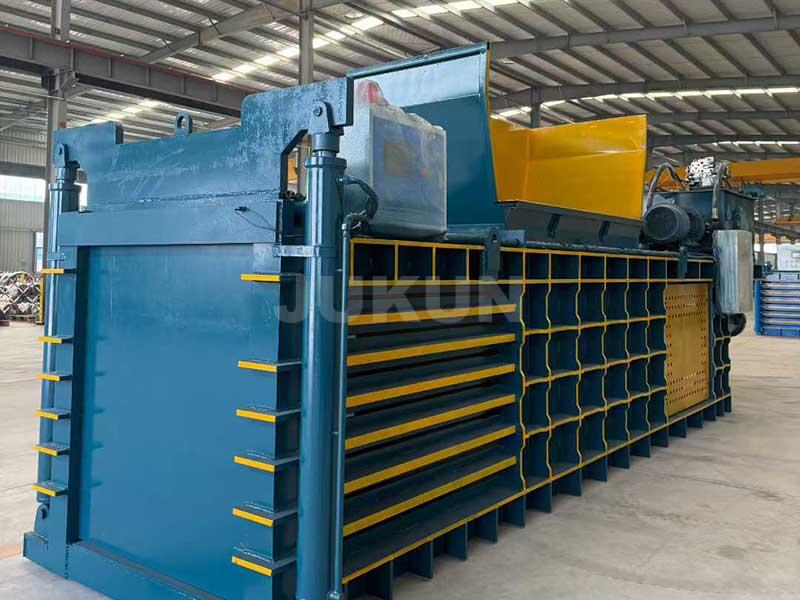
Toronto recycler cut processing costs 38% with proper baler scaling.
Why Are Horizontal Balers Ideal for Large-Scale Commercial Recycling Operations?
Our vertical balers created production bottlenecks during peak seasons constantly.
Continuous material feeding, automated bale ejection, and 24/7 operation capabilities allow processing 5x more material versus batch systems - eliminating downtime between cycles completely for true industrial-scale recycling.
Volume Handling Advantages
| Facility performance data Vancouver plant metrics: |
System | Vertical Baler | Horizontal Baler | Improvement |
|---|---|---|---|---|
| Daily tons | 3.2T | 15.6T | 388% | |
| Labor per ton | 18 minutes | 4 minutes | -78% | |
| Bale storage | 2.8 days | 14 days | 400% |
Downtime elimination
Key continuous features:
- Live-bottom feed conveyor
- Cross-packing double ram
- Over-the-top ejection
- Auto-lube systems
| Space economy Montreal warehouse calculations: |
Area | Pre-Baler | Post-Baler | Freed Space |
|---|---|---|---|---|
| Staging | 2,200 ft² | 500 ft² | 1,700 ft² | |
| Overflow | Required | Eliminated | 100% | |
| Aisles | 45% congested | Clear | Operational relief |
Scalability proof
Edmonton recycler growth:
Year 1: Semi-auto handles 6T/day
Year 3: Auto-tie processes 14T/day
Year 5: Two-ram achieves 23T/day
What Features Improve Efficiency in Modern Commercial Horizontal Balers?
PLC failure halted production 11 hours - redundancy systems prevent this now.
Auto-density sensors, dual-power hydraulic pumps, remote diagnostics, auto-tie intelligence, and predictive maintenance algorithms achieve 95% uptime while reducing energy use 40% concurrently.
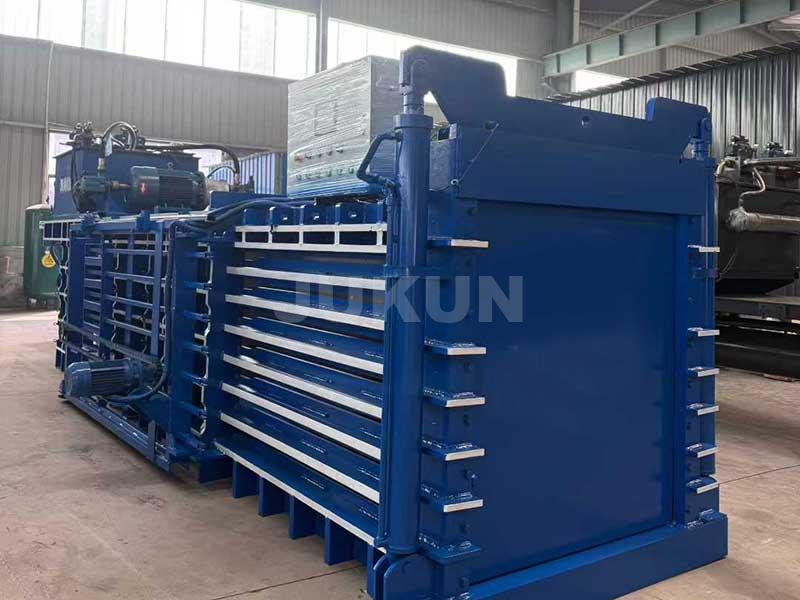
Smart Operation Systems
| Throughput optimization | Technology | Function | Production Gain |
|---|---|---|---|
| Load-sensing hydraulics | Adjusts pressure per material | 18% faster cycles | |
| Auto-tension wires | Perfect bale integrity | 99% rejection reduction | |
| Dynamic feed control | Prevents jams | 22 fewer stops/day | |
| Cloud monitoring | Performance tracking | 15% OEE improvement |
| Energy management Halifax plant savings: |
Feature | Standard Baler | Premium Baler | Energy Reduction |
|---|---|---|---|---|
| Motor type | Fixed speed | VFD-controlled | 32% | |
| Hydraulics | Constant flow | Proportional valves | 28% | |
| Standby mode | None | Smart sleep | 19kWh/day saved |
Predictive maintenance
IoT sensors detect:
- Oil viscosity degradation
- Cylinder seal wear patterns
- Chain tension loss
- Motor bearing vibrations
Safety integration
Emergency protocols include:
- Anti-crush laser curtains
- Dual palm-operation controls
- Hydraulic pressure relief
- Emergency cable stops
How Do Horizontal Balers Reduce Operating Costs in Large Recycling Facilities?
Miscalculated logistics cost our chain $140k yearly before bale optimization.
High-density bale output reduces truck trips 77%, storage overflow penalties 100%, labor overhead 72%, and premature equipment replacement - converting waste into revenue streams directly.
Operational Savings Framework
| Transportation economy Ontario distributor metrics: |
Material | Pre-Baler Cost | Post-Baler Cost | Saving |
|---|---|---|---|---|
| Cardboard | $160/ton | $38/ton | -76% | |
| Plastic film | $215/ton | $55/ton | -74% | |
| Mixed paper | $130/ton | $33/ton | -75% |
Space monetization
Montreal facility reclaimed:
- 9,500 ft² selling price: $1.7 million
- Renting freed space: $18k/month
- Canceled expansion: $2.1 million saved
| Labor efficiency proof | Task | Manual Time | Automated Time | Reduction |
|---|---|---|---|---|
| Loading | 2 workers/shift | Auto-conveyor | 100% | |
| Tying | 7 min/bale | Auto-tie | 90% | |
| Ejecting | 15 min | Power kicker | 93% |
| Revenue enhancement Higher-quality bales increase value: |
Material | Loose/Torn Price | Premium Bale Price | Increase |
|---|---|---|---|---|
| OCC | $98/ton | $147/ton | +50% | |
| PET | $310/ton | $460/ton | +48% | |
| HDPE | $380/ton | $520/ton | +37% |
How to Choose the Best Commercial Horizontal Baler for Industrial Recycling?
Spec mistake cost Edmonton plant $220k in re-engineering later.
Validate hydraulic PSI against material resistance, confirm hourly throughput during peak waste surges, demand maintenance accessibility features, and require PLC programming flexibility for future upgrades specifically.
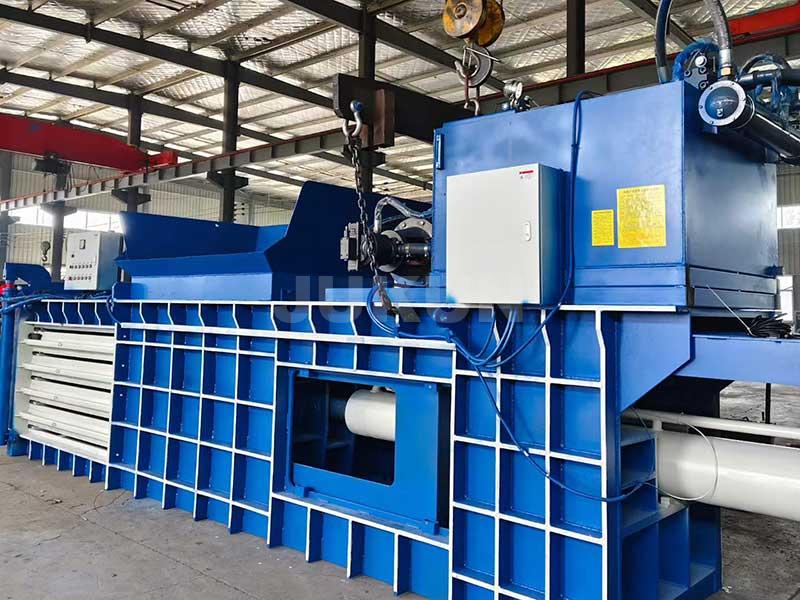
Industrial Procurement Checklist
| Capacity validation Critical testing: |
Test | Supplier Must Provide | Client Verification |
|---|---|---|---|
| Peak volume | Simulated 150% load trial | Waste audit matching | |
| Material variation | Multiple sample trials | Actual scrap testing | |
| 72-hour endurance | <5% efficiency drop | Remote monitoring |
Quality certification
Non-negotiable evidence:
- Mill certificates for steel
- Hydraulic component warranties
- Welding procedure qualifications
- CE/ISO factory audit reports
| Operational compatibility Physical planning essentials: |
Requirement | Minimum Standard | Premium Solution |
|---|---|---|---|
| Feed height | 34 inches | Adjustable 30-42" | |
| Bale ejection | Manual | Powered kicker | |
| Maintenance access | 28 inches | 40 inches 3-side |
Lifecycle protection
Demand:
- 10-year structural warranty
- 5-year hydraulic guarantee
- 24hr remote support agreement
Conclusion
Properly engineered horizontal balers convert commercial waste chaos into measurable profit streams through density and automation excellence.