
Recycling businesses face tough equipment choices daily. Wrong picks cause massive cost bleed. I’ve seen clients lose $15,000 monthly through poor decisions.
Hydraulic balers dominate efficiency, reliability, and value for most operations. They deliver consistent compression, create denser bales, need less upkeep, and handle varied materials better. Mechanical units only beat speed in limited, specialized applications.
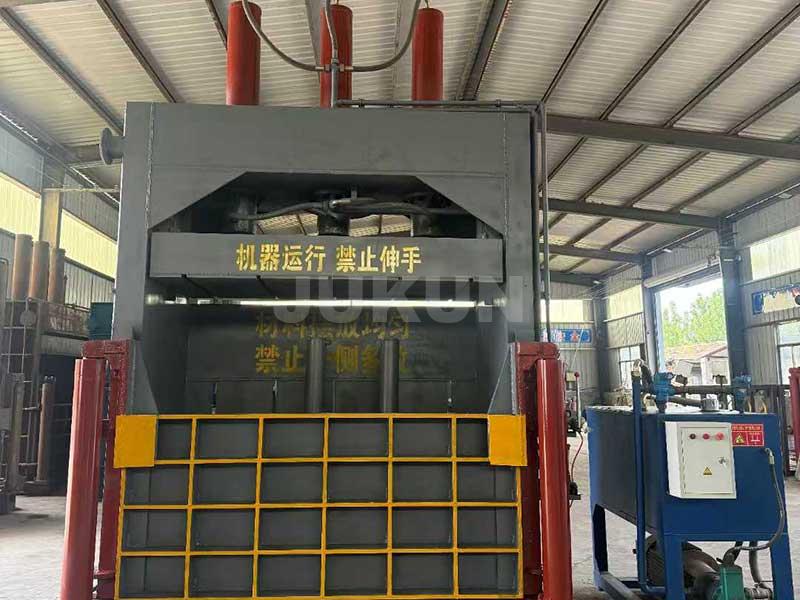
One client swapped to hydraulic units. His maintenance budget dropped 70% instantly. Let’s analyze why.
What Are the Key Differences Between Hydraulic and Mechanical Balers?
Operators notice the difference immediately. Fluid versus gears is fundamental. This choice shapes everything.
Hydraulic versions use pressurized cylinders for force. Mechanical types depend on spinning flywheels and cranks. Hydraulic offers adjustable compression and material flexibility unseen in rigid mechanical designs.
Power Delivery Is Just the Start
Break down the practical contrasts:
| Feature | Hydraulic Baler | Mechanical Baler |
|---|---|---|
| Compression Adjustment | Pressure dials customize force | Fixed force per cycle |
| Material Compatibility | Cardboard, plastic, textiles | Only uniform materials |
| Impact Resistance | Hydraulic fluid absorbs shocks | Gears jam under vibration |
| Noise Levels | Quieter operation | Intense gear clatter |
| Error Correction | PLCs auto-adjust mid-compression | Stops instantly if jammed |
A French recycler shared this insight: "We bale plastics and cardboard. Before hydraulic, different machines were needed. Now one handles everything flawlessly." Flexibility matters for growing businesses.
Which Baler Offers Better Energy Efficiency and Performance?
Electricity costs crush budgets. Old machines devour power endlessly. Modern hydraulics conserve strategically.
Hydraulic systems win efficiency by powering compression only when needed. Their variable pumps adapt while mechanical balers run constantly at full capacity regardless of material density.
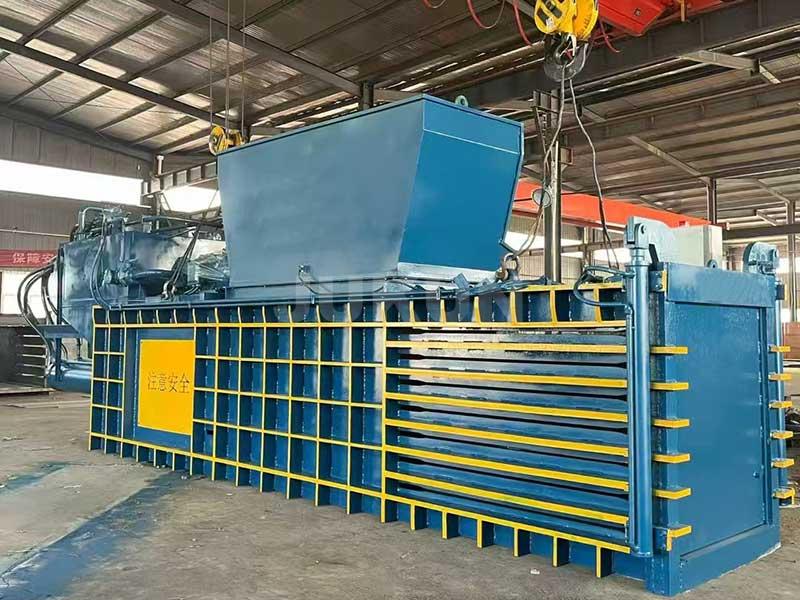
The Hidden Cost Dynamics
Observe these operational realities:
-
Energy spikes
Mechanical units draw peak power at every cycle start - tripping breakers during brownouts according to Canadian users. -
Idle consumption elimination
Hydraulic pumps rest between cycles. This saves up to 38% energy measured in Ohio recycling centers. -
Performance consistency
Materials differ. Soft plastics need less force than cardboard. Hydraulics adjust instantly while mechanical units either under-compress or jam stubbornly. -
Volume fluctuation handling
Peak production times demand full power. Slow periods don’t. Adaptive hydraulics reduce flows during lulls automatically.
Power bills shocked a Texas facility after installing mechanical balers. Switching hydraulic systems halved their electricity expense as the energy monitors demonstrated within weeks.
Which System Requires Less Maintenance and Delivers Better ROI?
Breakdowns paralyze recycling lines. Maintenance crews bleed profits. Simple designs preserve cash.
Hydraulic balers drastically reduce upkeep with fewer moving parts. Oil changes and filter swaps define their main needs unlike the complex gearbox repairs tormenting mechanical types monthly.
Lifetime Cost Perspective
Study this financial contrast:
-
Component durability
Mechanical baler bearings last 18 months typically. Hydraulic systems run five years between seal changes. -
Labor hours per machine
Maintenance logs show: Mechanical units require 3 hours weekly upkeep versus 0.5 hours for hydraulic models. -
Downtime impact
Canadian facilities report: Hydraulic repairs happen same shift 85% of time. Gearbox failures on mechanical balers averaged 14 days downtime annually. -
Resale value retention
Used hydraulic balers fetch 65% original price after years. Mechanical units depreciate much faster.
That German client I mentioned? His seven-year cost study proved hydraulic saved €38,000 per machine versus mechanical options. Reliability compounds savings.
How to Choose the Right Hydraulic or Mechanical Baler for Your Business?
Fast decisions create expensive regrets. Rushed purchases destroy budgets. Thoughtful selections protect profits.
Select hydraulic systems for general recycling needs—they handle varied materials while lowering lifetime costs. Choose mechanical balers only for specialized high-speed operations compressing identical items continuously.
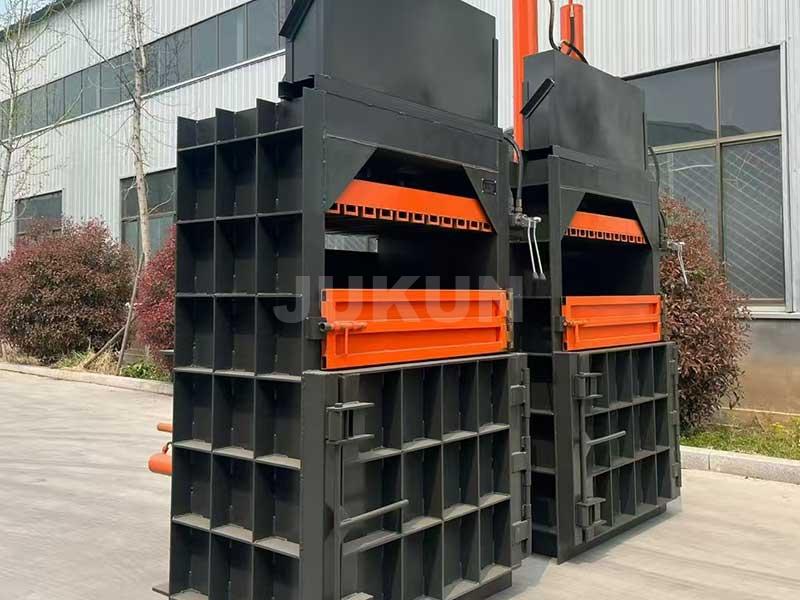
Practical Selection Checklist
Ask these operational questions daily:
-
Material variation level?
More variety demands hydraulic flexibility. One Philadelphia client processes:- Cardboard (40%)
- PET bottles (30%)
- Aluminum cans (15%)
Only hydraulics handled this mix.
-
Volume predictability?
Consistent high-volume lines can use mechanical speed. Erratic workflows need hydraulic adaptability. -
Technical staffing?
Mechanical units require trained gear specialists. Hydraulics simplify maintenance for general technicians. -
Future growth plans?
Hydraulic systems scale alongside operations. Mechanical designs often bottleneck expansion. -
Climate extremes?
Hydraulic fluid handles temperature swings better than rigid gear assemblies.
Avoid factory-only demonstrations. Demand on-site tests with actual materials. A Danish recycler discovered this: Bales met specs during factory trials but failed upon arrival. Test in your facility.
Conclusion
Hydraulic balers deliver superior long-term value for most recyclers through reliable performance and lower operating costs.