
Equipment choices shape recycling profits. Pick wrong and you lose money daily. Get this decision right.
Two-ram balers outperform single-ram models for high-volume recycling. They handle mixed materials better, create denser bales, and run continuously. Single-ram balers cost less upfront but work best only with uniform cardboard or paper. Match your material type to avoid costly mistakes.
Owners feel the pressure daily. I've seen facilities regret hasty choices. Let's compare these systems properly.
What Are the Key Differences Between Two-Ram and Single-Ram Balers?
Picture daily frustrations. One machine type handles chaos while the other prefers order. Their designs explain why.
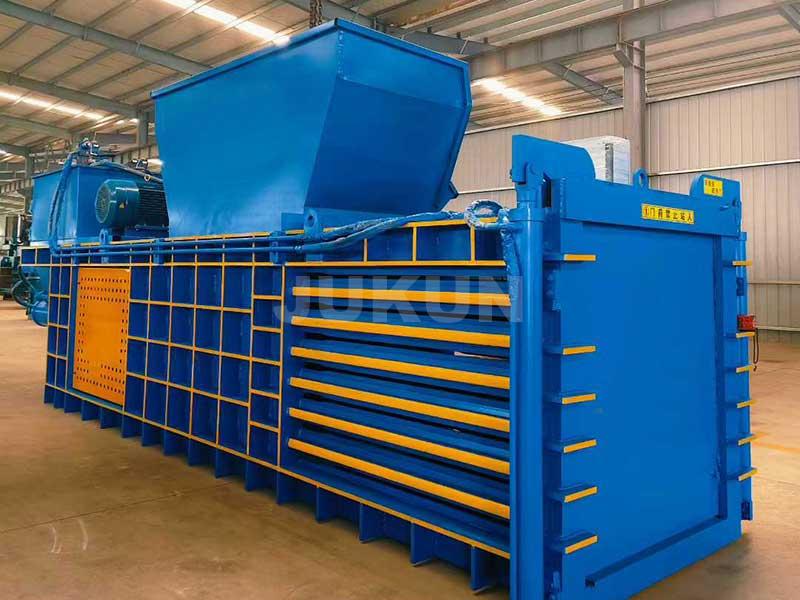
Two-ram balers use separate hydraulic cylinders for compressing and ejecting bales. Single-ram models rely on one cylinder for both jobs. This dual-system approach makes two-ram balers superior for tough recycling environments.
Core Distinctions for Recycling Operators
I've broken down the differences:
| Feature | Two-Ram Baler | Single-Ram Baler |
|---|---|---|
| Hydraulic System | Independent compression/ejection | Single cylinder multitasking |
| Material Handling | Mixed plastics, metals, textiles | Only uniform cardboard/paper |
| Operation Rhythm | Continuous cycling | Stop-start during ejection |
| Investment | Higher initial cost | Lower upfront price |
| Labor Requirement | Minimal supervision needed | Frequent operator intervention |
Single-ram units seem cheaper initially. Then I see operators waiting during ejection cycles. That lost time piles up.
Consider material variety first. One client tried baling plastic bottles in a single-ram unit. Maintenance costs tripled within months. Two-ram designs prevent such mistakes.
Hydraulic separation brings stability. Compression continues uninterrupted during bale ejection. Density stays consistent across every bale.
Which Materials Are Best Suited for Two-Ram Balers?
Reality hits hard when wrong machines meet complex waste streams. I've cleaned up these messes personally.
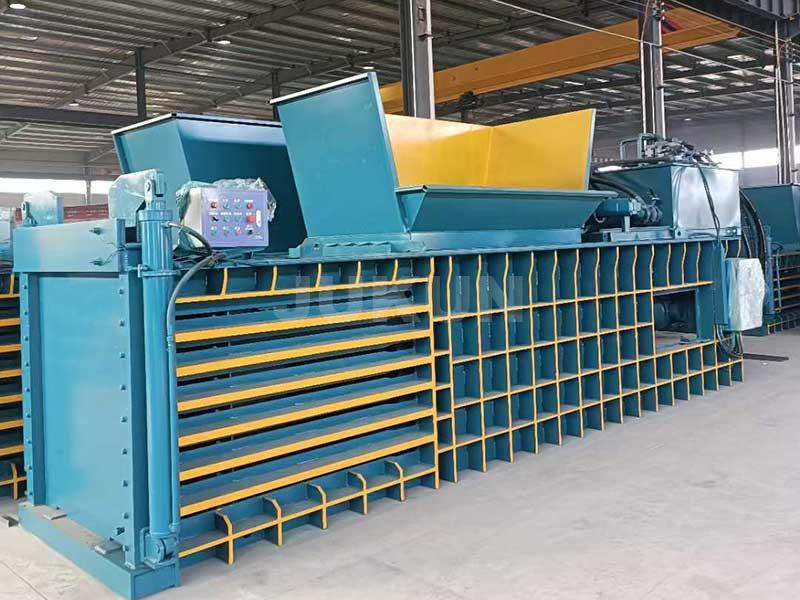
Two-ram balers dominate with aluminum cans, PET bottles, textiles, mixed plastics, non-ferrous scrap, urban waste and RDF. Their hydraulic independence handles unpredictable material behavior effortlessly.
What Makes These Materials Challenging?
My experience shows why two-ram systems succeed:
-
Aluminum cans
Nest together unpredictably during compression. Two-stage rams prevent bridging and uneven density. -
Film plastics
Shift position during compression cycles. Separate ejection maintains pressure without slippage. -
Textile bundles
Rebound after compression. Continuous pressure prevents spring-back issues. -
Mixed recyclables
Contain hard and soft elements. Smart separation lets steel cans compress beside soft PET.
One recycling yard proved this versatility. They processed 14 material types in one week without jams. Output jumped 30% after switching from single-ram units.
Operators reported less stress too. "Now we just load the belt" their manager told me. "No material prep gymnastics anymore."
How Do Two-Ram Balers Improve Productivity and Bale Density?
Time and space equal money in recycling. Better density directly increases profit margins. I've tracked these gains.
Independent hydraulic systems allow simultaneous compaction and ejection. Less air trapped equals greater weight per bale. This cuts hauling frequency and storage footprint significantly.
From Chamber to Transport Truck
Here's how density improvements cascade:
-
Consistent compression force
Hydraulic isolation maintains optimal tons per square inch throughout cycles. -
Tighter packing geometry
Uniform pressure creates neater, more stackable bales. Less truck space wasted. -
Reduced handling time
Fewer trips cut forklift fuel and manpower demands. -
Higher resale value
Scrap mills pay premiums for dense, clean bundles.
I measured results at a PET recycling plant. Their two-ram system produced 850kg bales versus 620kg from single-ram. Truckload capacity increased 37%. That meant $2,100 saved weekly just on logistics.
Bale quality matters downstream too. Paper mills penalized another client for inconsistent bales. Switching to two-ram solved their rejection problems immediately.
How to Choose the Right Two-Ram Baler for Your Recycling Business?
Rushed purchases become expensive regrets. I advise looking beyond shiny brochures. Consider lifetime expenses.
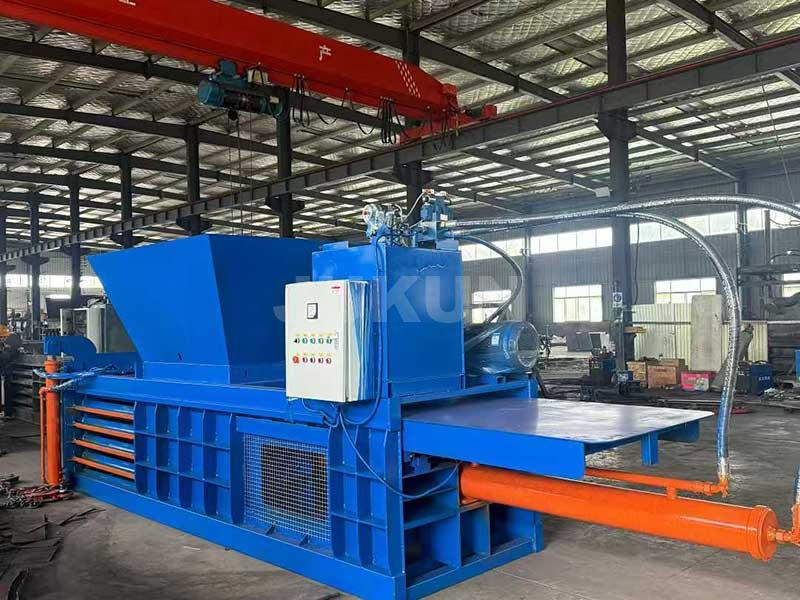
Assess your typical material mix and daily tonnage first. Then prioritize hydraulic component quality, automation levels, maintenance access, and manufacturer accountability. These determine true operational costs.
The Five-Point Selection Method
My clients successfully use this process:
-
Material inventory check
Log your incoming volumes for two weeks. Avoid guesswork. -
Density requirement testing
Collect samples from potential bales. Different grades have different price points. -
Hydraulic component inspection
Demand Japanese or European pumps and cylinders specifically. -
Maintenance simulations
How easily can technicians access critical parts? Time this. -
Supplier reputation verification
Call two existing clients unannounced. Ask about actual downtime.
Capacity planning proves critical. Most facilities outgrow their machines within three years. Your baler should handle 20% more volume than current needs.
Certifications aren't paperwork - they're insurance. Verify ISO and CE documentation personally. Several vendors I've audited forged these documents.
Shipping considerations get overlooked. Reliable suppliers handle customs clearance for you. One Canadian client saved three weeks with proper shipping prep.
Conclusion
Two-ram balers handle high-volume recycling better. Match features to your materials for maximum profits and efficiency.