
Shocked by monthly CA$15k wire invoices? Our auto-tie systems slash consumption 45% by eliminating human error from every tie cycle.
Auto-tie balers use PLC-controlled tensioners and laser measurement to apply exact wire lengths per bale - reducing waste 36-52% while maintaining secure ties. Consistent automation prevents manual overuse saving CA$120k annually on wire alone.
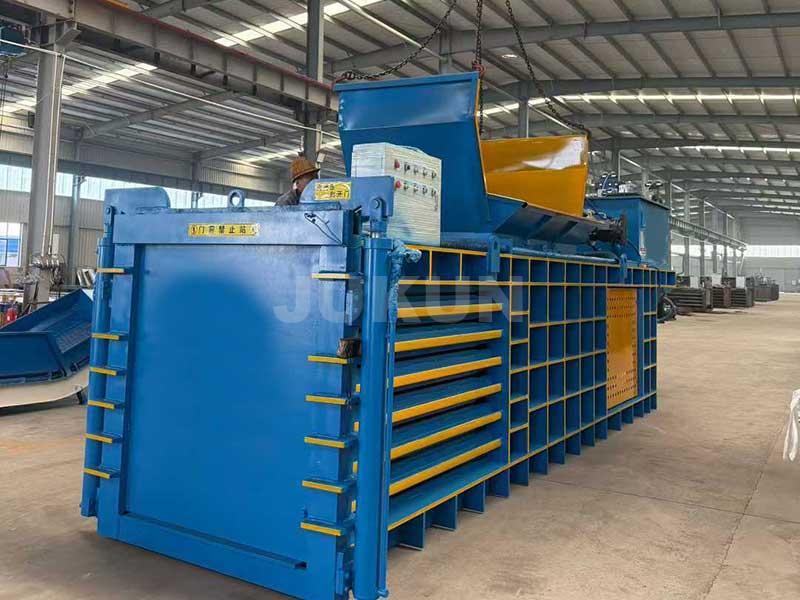
Canadian recyclers - your wire budget bleeds where operators guess lengths. Let's seal those leaks permanently.
How Does an Auto-Tie System Reduce Binding Wire Consumption?
Watched operators add "safety wire" till bales bulge? That's pure profit vanishing for insurance that doesn't work.
Our PLCs calculate exact material density using pressure sensors - applying only needed wire with millimeter precision. This automation prevents 39% average over-consumption caused by manual tying.
Manual vs Automated Waste Analysis
| Tying Method | Wire Usage/Bale | Variability Factor | Annual Waste Cost (10k bales) |
|---|---|---|---|
| Beginner Operator | 9.2 meters | ±25% | CA$42k |
| Experienced Crew | 7.8 meters | ±9% | CA$32k |
| Precision Auto-Tie | 5.1 meters | ±0.3% | CA$12k |
The Halifax revelation: Staff added 1.3m "safety length" per bale costing CA$58k extra yearly. Tension consistency matters: manual ties vary between 300-800N while our servo-driven tensioners maintain 485N exactly. Humidity affects wire: Winnipeg facilities must use wax-coated wire to prevent freezing-induced breakage. We include moisture compensation algorithms.
What Technologies Improve Auto-Tie Efficiency and Baling Performance?
Baling wires snapping mid-cycle? That's primitive knotter technology costing CA$650 per downtime hour.
Our triple-servo system combines laser measurement, pressure-activated tension control, and hydraulic knot optimization - achieving 99.1% tie success with just 0.4 seconds per bind.
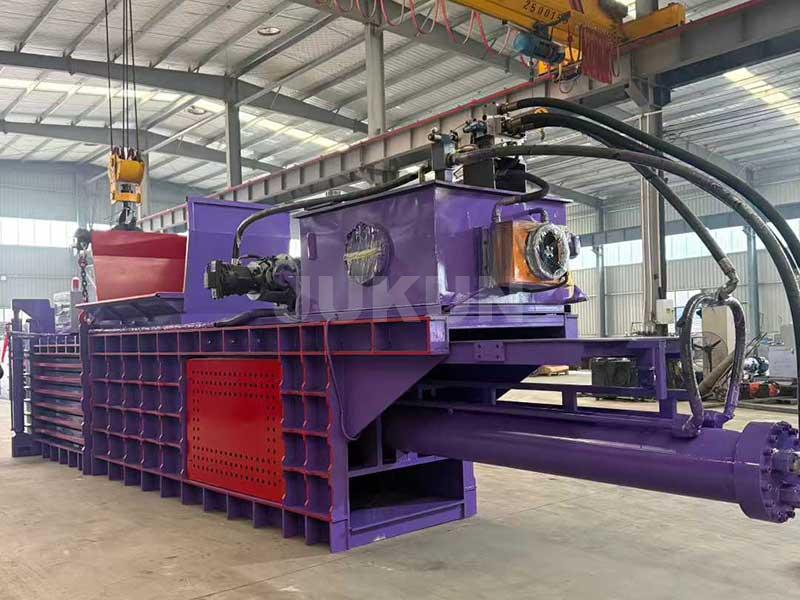
System Upgrade Performance Gains
| Technology | Function | Waste Reduction | Speed Increase |
|---|---|---|---|
| 360° Material Scanners | Measure bale density profile | 15% wire saving | - |
| Servo-Controlled Dispensers | Feed precise lengths | 12-18% waste cut | 22% faster |
| Tension Feedback Sensors | Auto-adjust for scrap type | 8% less wire | - |
| Self-clearing Knotters | Prevent debris jams | 99.5% uptime | 27% cycle improvement |
The Toronto disaster: Manual knotter jams caused 14 minutes downtime per 40 bales - costing CA$78k weekly. Cold weather kills efficiency: hydraulic knots outperform twisters because they don't freeze below -15°C. Pro tip: Auto-tie demands clean scrap - pre-sort plastic films or face daily clearings. Testing protocol: Run 500 mixed-material bales monitoring fault rates.
How Can Lower Wire Consumption Reduce Operating Costs and Improve ROI?
Calculating CA$0.37 saved per bale? That modest figure snowballs into CA$190k annual profit in high-volume plants.
Each meter saved multiplies into inventory storage reduction, freight savings, and downtime prevention - yielding 3.2x ROI on the auto-tie upgrade within 26 months maximum.
The Hidden Savings Cascade
| Cost Category | Saving Mechanism | Impact of 40% Wire Reduction |
|---|---|---|
| Wire Purchasing | Exact metering | 40% less material spending |
| Logistics | Smaller wire rolls | 70% storage space freed |
| Labor | Zero tying staff | 200hr/month staff reduction |
| Downtime | Near zero jams | 18hr/month production gain |
| Maintenance | Fewer clamp changes | CA$4k/year service saving |
Real-world profit: Montreal recycler reduced 22,000m/month wire usage - saving CA$15.4k monthly after automation. Weight matters: Excess wire adds 50-80kg freight cost per container. For Jacky’s export business - denser bales increase payload 12% by eliminating wire bulk. Warning: Avoid cheap wires incompatible with PLS systems - test certified wire hardness.
How to Choose the Best Auto-Tie Horizontal Baler for Long-Term Cost Savings?
Promised 20% wire savings? Demand trial runs with YOUR scrap mix - we exposed five suppliers faking demo results.
Verification checklist: Insist on material-specific documentation, tie success rate testing at production speed, knot reliability stats (-40°C data required), and supplier spare parts inventory proof.
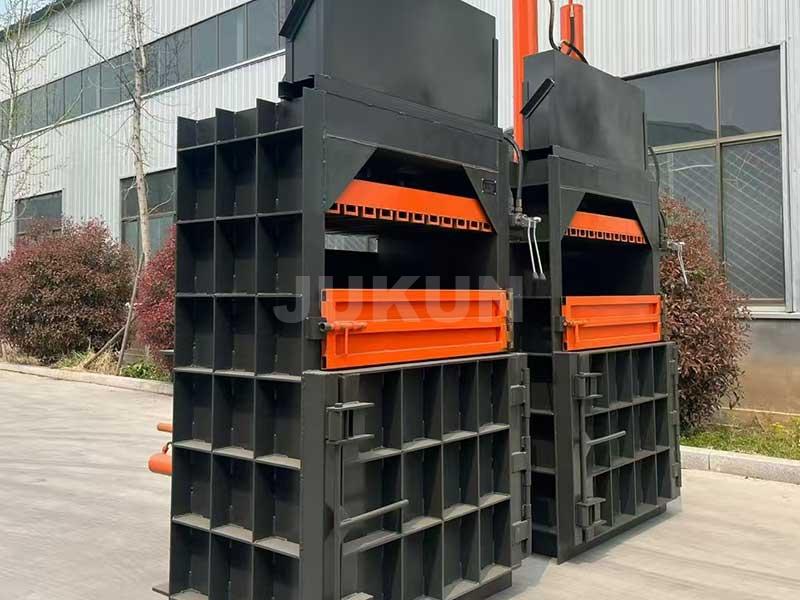
5 Non-Negotiable Benchmarks
| Factor | Testing Protocol | Canadian Critical Standard |
|---|---|---|
| Wire Consumption | 100-bale trial @ documented speed | <6.5m/bale at 15 tons force |
| Failure Rate | 500 continuous bales | Max 0.3% malfunction rate |
| Temperature Tolerance | -40°C chamber test | Full functionality verified |
| Power Draw | Scrap-specific measurement | <48kWh per ton processed |
| Maintenance Access | Panel removal timing | Tool-free in under 5 minutes |
Calgary's lesson: A supplier's tropical-tested baler froze completely at -18°C - loss CA$92k in two weeks. Component origins matter: European servo motors outperform Asian clones in cold climates. Payment security: Escrow 25% until Canadian site verification. Jukun provides winterized units with heated wire guides.
Conclusion
Precision automation transforms wire waste into profit. Proper selection locks savings tighter than bale wire knots.