
Warehouses overflow daily with recyclables. Transporting loose waste kills profits. Manual packing wastes precious labor hours. Industrial baler machines crush these frustrations today.
A baler machine is industrial recycling equipment that uses hydraulic power to compress materials such as cardboard, plastic, metal scraps, and textiles into dense, compact bales for easier storage, handling, and transportation. The main types include vertical, horizontal, automatic, semi-automatic, and closed-end balers. They are widely used in recycling facilities, warehouses, manufacturing plants, and logistics centers. When choosing a baler machine, key factors include processing capacity, material type, automation level, bale size, and available space.
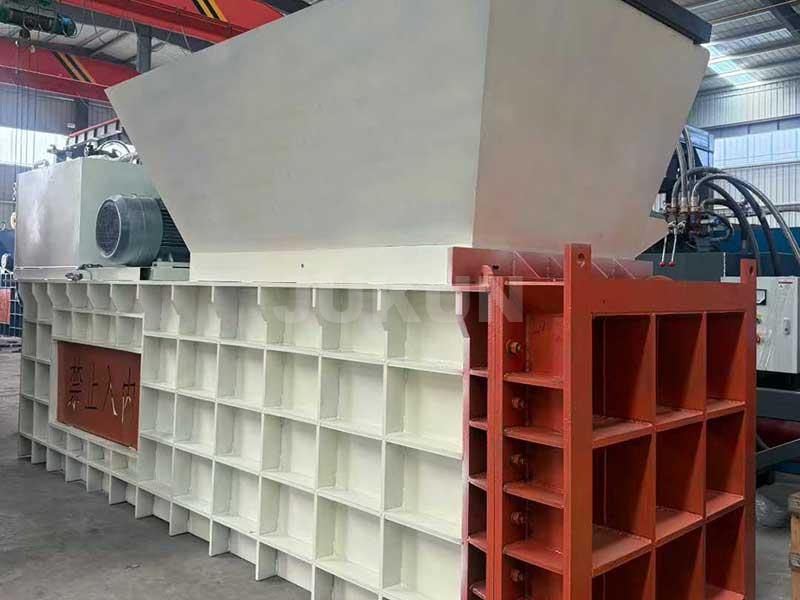
Discover how balers transform waste chaos into profit. Complete selection guide included.
What Is a Baler Machine and How Does It Work?
Uncompressed materials cost more to ship than they're worth. Flimsy machines bend under heavy loads. Professional balers deliver industrial-grade compression.
These hydraulic machines crush recyclables into uniform blocks using hydraulic cylinders. Key components: heavy steel chamber, pressure system (pump+tank), PLC controls, and auto-tie systems for non-stop processing.
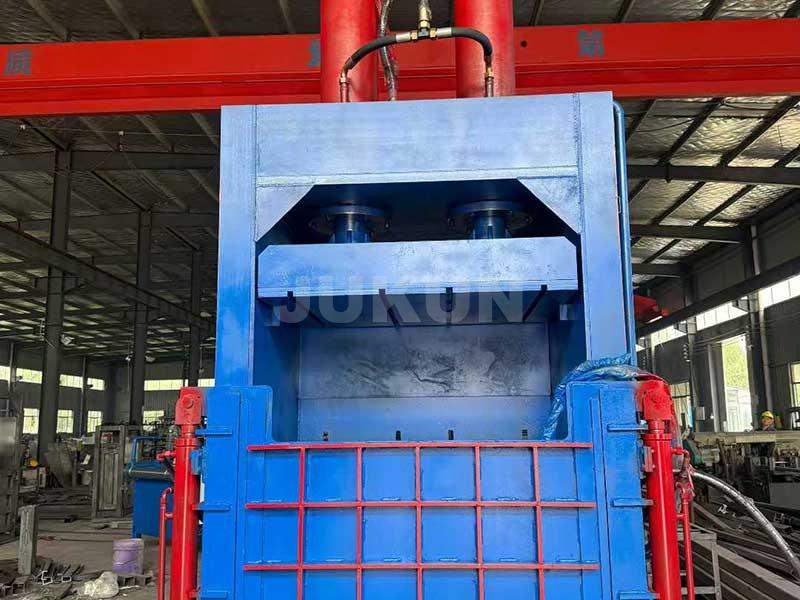
Industrial-Grade Mechanics Behind Your Profit
Jukun builds machines that withstand brutal workloads daily:
-
Stages of Compression
- Loading: Cardboard enters through 1.5m-wide openings
- Crushing: Hydraulic rams apply 50-300 tons of force
- Binding: Automatic wires tie bales at peak density
- Ejecting: Finished bale rolls onto conveyor
-
Heart Components Part Jukun Standard Cheap Alternatives Steel Frame 25mm SM490A alloy <15mm recycled scrap Hydraulic Pump German Bosch Unbranded clones PLC System Siemens, Japanese relays Basic switchboard Seals SKF Extreme Temp Standard rubber
Our Alberta client processed 22 tons/hour nonstop during peak season - no leaks, no downtime. Tested in -35°C Canadian winters.
What Are the Main Types and Specifications of Baler Machines?
Wrong choices cause bottlenecks. Undersized machines cripple growth. Match specs to your daily reality.
Primary types: horizontal (plants), vertical (retail), semi-auto (medium ops), full auto (mega plants). Key specs: force (tons), bale size, hourly throughput, motor power.

Choosing Your Power Class
Select using these benchmarks:
| Type | Daily Capacity | Force Required | Top Users |
|---|---|---|---|
| Vertical | <3 tons | 10-30 tons | Retailers, SMEs |
| Semi-Auto | 3-15 tons | 50-120 tons | Recycling hubs |
| Horizontal | 15-60 tons | 120-300 tons | Paper mills |
| Two-Ram | 60-200+ tons | 300-500 tons | Metal scrap yards |
Jukur customizes for harsh climates:
- Auto-lubricators combat dust/temperatures
- Canadian models: Oversized heaters prevent cold starts
- Moisture sensors stop paper bale swelling
- Case: Vancouver warehouse cut bale time from 8 to 2.5 minutes
What Industries and Materials Are Baler Machines Used For?
Scrap metal yards lose money handling loose scraps. Supermarkets drown in cardboard. Industry-specific solutions exist.
Major users: recycling plants (paper/plastic), warehouses, scrap yards, mills. Materials: cardboard boxes (#1 need), plastic bottles, steel parts, PET films, textile waste.
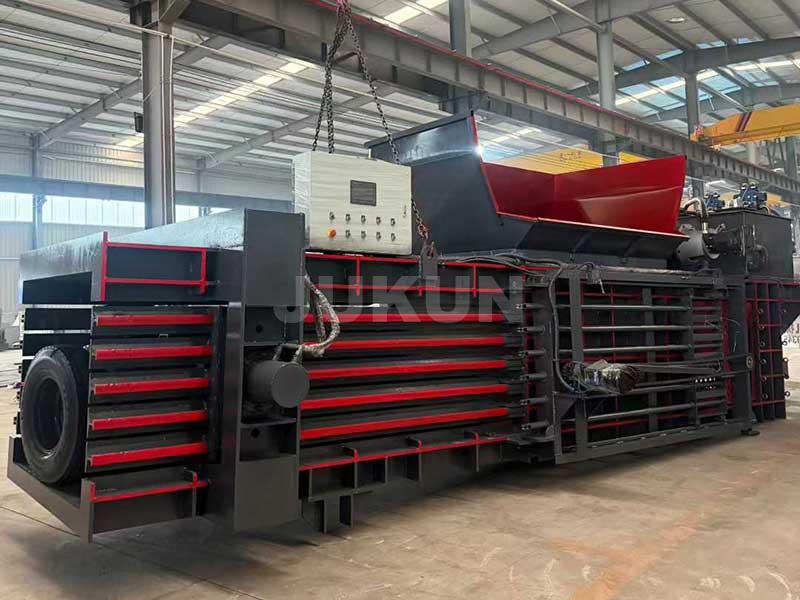
Profit Boosters Per Industry
Why each sector invests in baling:
| Industry | Key Material | Profit Gains | Jukun Perks |
|---|---|---|---|
| Scrap Yards | Mixed metal | +25% scrap value | Titanium-grade wear plates |
| Supermarkets | OCC cardboard | $18,000/yr space savings | Quiet operation mode |
| Plastics Recyclers | PET bottles | 40% less haulage fees | Anti-static film balers |
| Textile Plants | Cutting scraps | Bales sell 30% faster | Auto-feed shredders |
Cardboard remains king: Our Quebec client baled 1.6MM boxes/year, cutting dumpster costs by $42,000. Food-grade facilities get stainless steel models.
How to Choose the Right Baler Machine for Your Business?
Underpowered machines fail during peaks. Overbuying wastes capital. Apply this checklist.
Consider: material type, daily volume, space limits, automation level, hydraulic stability. Prioritize suppliers who certify specs and offer Canadian support.
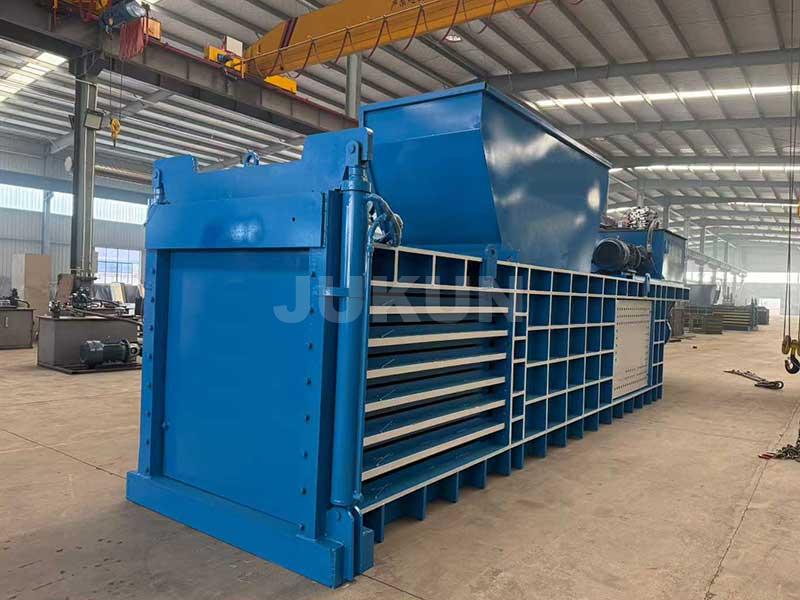
Step-By-Step Anti-Risk Strategy
Canadian importers must verify:
-
Supplier Vetting
- Demand video factory tours (see welds)
- Verify CE/ISO via certificate numbers
- Confirm spare parts stock in Toronto
-
Contract Safeguards Risk Jukun Protection Late Shipping GPS tracking + $500/day penalty Fake Specs Remote operational testing No Support 24/7 English/WhatsApp hotline Voltage Issues Dual 110V/220V systems -
Critical Spec Checks
- Hydraulic oil temp below 65°C under load
- Cycle time variance under 5%
- Frame warranty over industry standard
Direct buyers save 35-50% versus middlemen. Case: Winnipeg scrap yard paid off their Jukun baler in 8 months with daily processing.
Conclusion
Proper baler selection maximizes profit through automation and efficient recycling. Choose certified partners wisely.