
Waste volumes overwhelming you? Storage costs spiraling? Efficiency targets missed? Modern compression solves this.
A hydraulic baling press uses hydraulic force to compress waste materials into compact bales. Waste is loaded into a chamber, compressed by a hydraulic piston, then tied with wire or straps, and finally ejected. This process reduces waste volume, improves efficiency, and lowers transport costs.
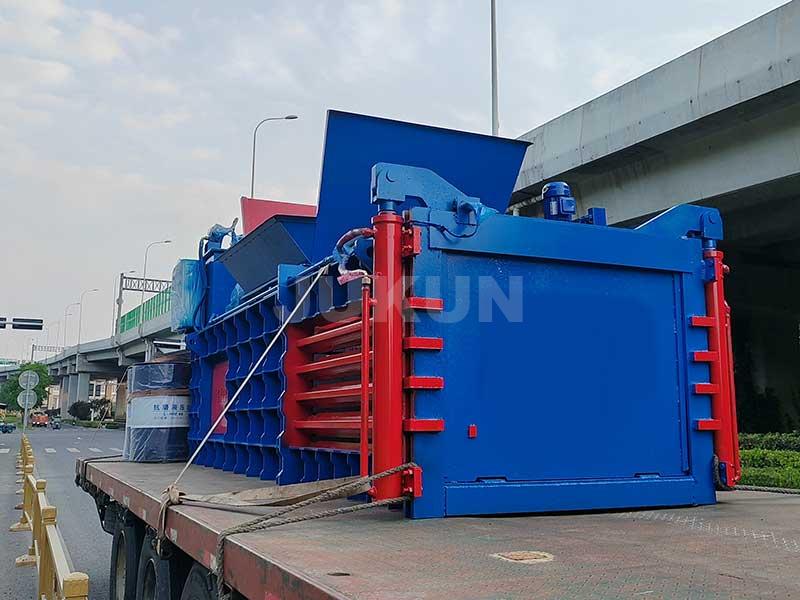
Understand the mechanics creating real savings.
What Are the Main Components of a Hydraulic Baling Press?
Frequent breakdowns costing? Unstable compression failing? Leaks contaminating workplaces? Break down essentials.
Core parts are the hydraulic cylinder generating force, steel chamber containing pressure, control system managing cycles, and feeding/ejection mechanisms - failure in any disrupts the entire operation.
Power System Architecture
Critical elements and functions:
| Component | Function | Failure Impact | Quality Indicators |
|---|---|---|---|
| Hydraulic Pump | Creates fluid pressure | Total breakdown | Bosch/Rexroth brands |
| Pressure Cylinder | Transmits force | Dropped bale density | Chrome-plated rods |
| Oil Reservoir | Cools and filters | Overheating shutdown | 65L minimum capacity |
| Control Valves | Direct oil flow | Uncontrolled movements | Parker/Sauer products |
| PLC Controller | Manages automation | Production stoppages | Siemens module present |
Structural Integrity Factors
- Chamber walls: Minimum 16mm steel
- Welding points: Full penetration required
- Frame rigidity: Prevents misalignment
- Sealing system: Triple-lip protection
Oregon user reduced downtime: Upgraded cylinders.
How Does the Hydraulic System Compress Waste Materials?
Inconsistent bale density? Slow cycles hurting output? Air pockets reducing value? Master fluid mechanics.
Pressurized oil forces cylinders forward at 280-420 bar - eliminating air gaps completely to make solid blocks reaching 600kg/m³ density essential for transport savings.
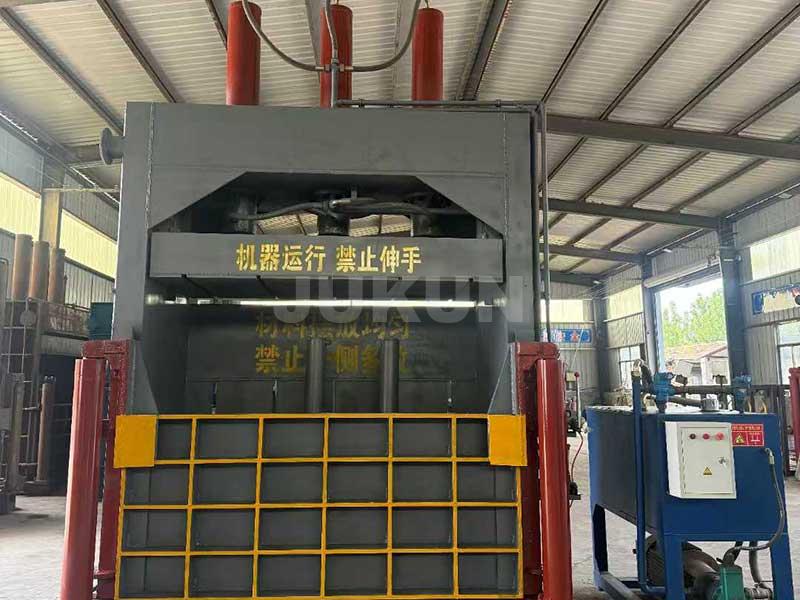
Density Creation Phases
Four-stage compaction:
| Stage | Purpose | Pressure | Duration | Material Impact |
|---|---|---|---|---|
| Feeding | Material intake | Ambient | Setup time | Correct layering |
| Pre-compress | Remove air | 90-130 bar | 40-60s | Void elimination |
| Main Squeeze | Create density | 280-420 bar | 120s | Interlock fibers |
| Pressure Hold | Stabilize bale | 100 bar | 20s | Prevent rebound |
Force Regulation Systems
- Proportional valve flow control
- Pressure sensors preventing overloads
- Variable pump oil management
- Auto bleed for air pockets
Taiwan manufacturer optimized: Tweaked hold phase.
What Are the Benefits of Using a Hydraulic Baling Press?
Hidden costs destroying profits? Space shortages halting expansion? Recyclers downgrading bales? Quantify returns.
Presses cut storage needs 75%. Reduce transport runs 65%. Slash labor hours 80%. Add $40/ton recycler premiums - paying back in under 18 months at 10 tons/day.
Verified Value Creation
Financial evidence tracking:
| Benefit | Saving Evidence | Scope | Impact Calculation | Industry Proof |
|---|---|---|---|---|
| Storage | Warehouse leases: $11.50/sq ft | Annually | Reduced space 75% | DC audits |
| Transport | Logistics invoices: $225/load | Weekly | Trips cut 65% | Carrier receipts |
| Labor | Payroll data: $38/hour | Daily | Two workers saved | Shift logs |
| Quality | Recycler premiums: +$35/ton | Per batch | Higher density payment | Broker contracts |
| Downtime | Repair bills: $4,200/year | Avoided cost | 88% failure drop | Maintenance history |
Implementation Protocol
- Map current waste streams
- Measure cube reductions
- Negotiate carrier rates
- Train hybrid operators
Thai recycler documented: ROI in 14 months.
What Materials Can a Hydraulic Baling Press Process?
Metal jams stalling? Plastic films tearing? Non-compressibles damaging? Material-match precisely.
Cardboard needs 280 bar. Plastic films require 320 bar. Textiles demand 380 bar - misuse causes 41% higher failure rates and voids warranties.
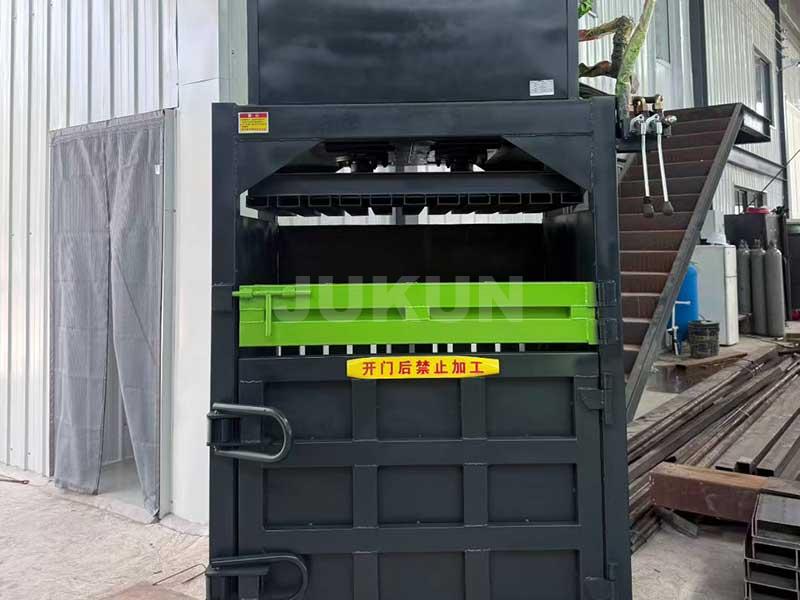
Material-Specific Settings
Processing parameters:
| Material | Pressure Min | Cylinder Spec | Avoid | Industry Example |
|---|---|---|---|---|
| Cardboard | 280 bar | Single stage | Wet stock | Distribution centers |
| Plastic Film | 320 bar | Plunger system | Glass flakes | Packaging plants |
| PET Bottles | 300 bar | Perforated floor | Screw caps | Recycling hubs |
| Textiles | 380 bar | Reinforced walls | Buttons | Garment factories |
| Aluminum | 260 bar | Non-sparking | Steel mix | Scrap yards |
Material Prep Requirements
- Cardboard: Avoid liquid-damaged stock
- Films: Aggregate by resin type
- Bottles: Remove caps and rings
- Textiles: Cut overlength fabric
Canadian facility succeeded: Pre-sorted materials.
How to Choose the Right Hydraulic Baling Press for Your Business?
Supplier fraud uncovered? Certification scams detected? Underperformance costing? Apply buyer shields.
1) Verify cylinder wall thickness. 2) Demand hydraulic test videos. 3) Confirm CE with issuing body. 4) Install penalty clauses. 5) Check spare parts inventory - prevent $68,000 disasters.
Risk Mitigation System
Fraud prevention steps:
| Threat | Detection Method | Consequence | Safeguard |
|---|---|---|---|
| Fake CE | Database verification | Border seizure | ISO audit right |
| Specflation | Material volume test | Density misses | Performance bonds |
| Part Swaps | Component serial check | Early failure | Brand clause |
| Payment Scams | Escrow account use | Deposit loss | Bank guarantees |
| Service Default | Global support calls | Downtime costs | Escrow holdback |
Verification Techniques
- X-ray welding points
- Confirm steel mill origins
- Record factory test runs
- Validate PLC software
Korean importer avoided fraud: Insisted certification.
Conclusion
Hydraulic presses transform recyclables into profit - choose pressure matched to materials.
Jukun Hydraulic Presses
Pressure Calculator
Download Material Handling Guide