
Manual baling drains your profits. Equipment breakdowns halt operations. Modern innovations crush these challenges.
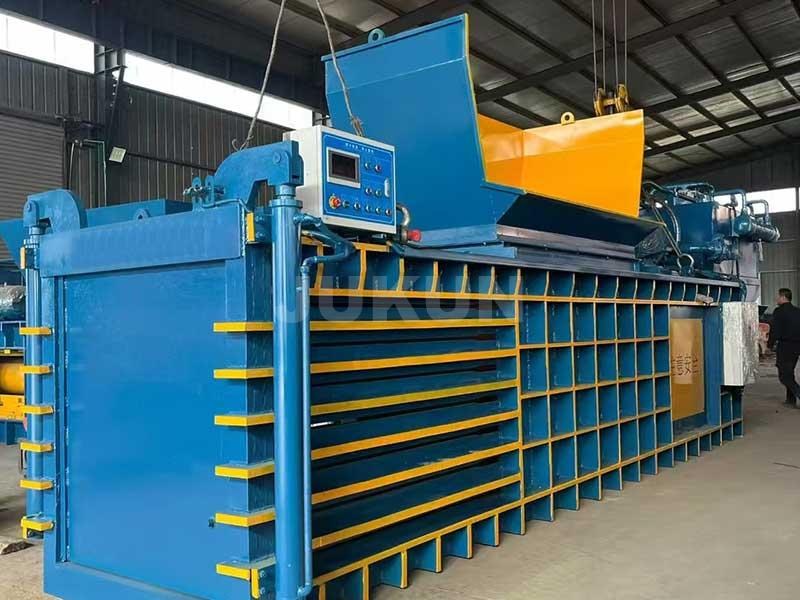
Automated feeding systems, energy-smart hydraulics, IoT monitoring, adaptive PLC controls, and self-diagnosing sensors are transforming horizontal balers into high-efficiency assets that slash operating costs while boosting output.
Unpack how these breakthroughs redefine recycling economics.
What Are the Latest Innovations in Horizontal Baling Machines?
Wasting hours on manual loading? Dated machines limit productivity. New systems automate everything.
Key innovations include smart conveyor feeds, self-threading wire systems, IoT diagnostic trackers, variable-pressure hydraulics, and AI-powered cycle optimization—boosting efficiency while cutting human labor.
Breakthroughs driving change:
The innovation impact matrix
At Jukun, we measured clients gaining 45% higher output using these technologies:
| Technology | Function | Real-World Benefit |
|---|---|---|
| IoT Sensors | Track pressure/temperature 24/7 | Reduce unplanned downtime 50% |
| Auto-Tye Ram | Self-threading wire system | Eliminates 1.5 workers per shift |
| Adaptive PLC | Learns material density patterns | Cuts cycle time 20% |
| Eco-Hydraulics | Adjusts pressure flow automatically | Slashes power bills >USD$18k/year |
| Safety Scanners | Laser-guided obstacle detection | Prevents costly ram damage |
Hydraulic intelligence matters most. Jukun’s smart pumps sense cardboard thickness—ramping pressure from 50-150 tons instantly. Traditional systems waste energy compressing air gaps. Our Swedish valve tech ensures fluid moves only when needed—cutting heat waste 70%. Predictive maintenance shines too: vibration sensors flagged bearing wear for a UK client six weeks pre-failure—saving $11k in emergency repairs. These aren't gadgets—they solve daily profit leaks.
How Does Automation Improve Baling Efficiency and Reduce Labor Costs?
Manual processes eat profits. Labor bottlenecks limit growth. Automation multiplies output relentlessly.
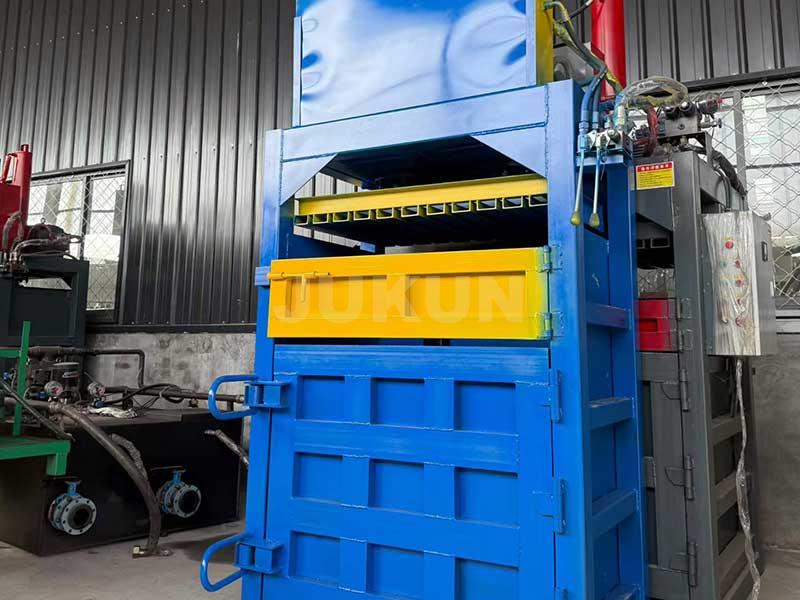
Automated feeding, compression, and tying enable continuous operation—processing ≥220 bales daily with two workers instead of six, slashing labor costs by 60-75% while boosting throughput 3x.
See automation’s math:
Efficiency transformation study
After installing Jukun’s AutoFeed 500 systems in Canada:
| Metric | Manual Operation | Automated System |
|---|---|---|
| Staff/8h Shift | 6 | 2 |
| Bales/Hour | 9 | 28 |
| Loading Errors | 17% material jams | <1% |
| Weekly Overtime | $1,200 | $0 |
Auto-conveyors feed material non-stop—no coffee breaks or fatigue slowdowns. Jukun’s wire-tiers finish binding in 55 seconds versus 7 minutes manually. Adaptive PLCs go further: learning cardboard moisture levels to prevent jams. Maintenance drops too—our self-lubricating cylinders require 85% less servicing. Over three years, automation saves typical plants $400k in labor and waste reduction. The numbers scream for upgrade.
Which Smart Features Deliver the Highest ROI in Horizontal Balers?
Throwing money at pointless tech? Feature clutter kills ROI. Invest where returns accelerate.
Prioritize auto-tying systems (25% labor cut), predictive sensors (30% downtime drop), and smart hydraulics (40% energy savings)—these deliver full ROI in ≤6 months through measurable cost reductions.
Focus where profits multiply:
Top ROI feature tracker
Jukun installation data reveals clear winners:
| Feature | ROI Months | Key Savings | Implementation Tip |
|---|---|---|---|
| Predictive Alerts | 3 | $380/hr downtime avoidance | Install acoustic sensors |
| Auto-Tying | 5 | $98k yearly staff reduction | Choose servo-guided needles |
| Adaptive Hydraulics | 4 | $22k annual power cut | Demand variable-displacement pumps |
| Remote Dashboard | 7 | 75% faster fixes | Require VPN technician access |
Predictive analytics top the list. Vibration monitors on rams detect misalignment weeks pre-failure—saving $15k average per avoided breakdown. Hydraulic intelligence pays fast too: our European pumps match pressure to load—idling at 5% energy versus 100% in dumb pumps. Skip fancy touchscreens; instead add density sensors that auto-adjust compression. This squeezes 15% heavier bales—adding $8/ton resale value. Smart choices build profits nightly.
How to Choose a Future-Proof Horizontal Baling Machine for Your Business?
Outdated tech becomes expensive fast. Short-sighted choices cripple growth. Select for adaptability.
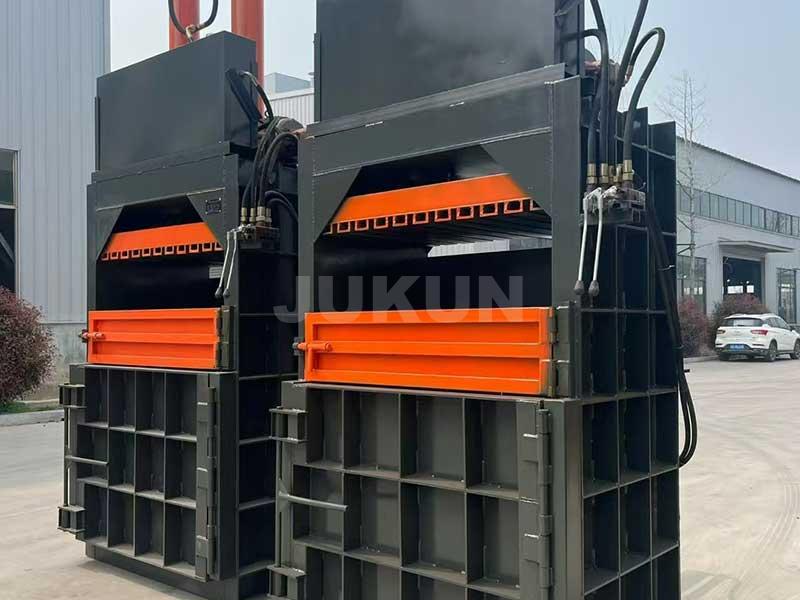
Verify modular expansion ports, open-source PLC software, IoT compatibility, genuine hydraulic brands (Bosch/Rexroth), supplier remote-access support, and ≥10-year parts guarantees for true future-proofing.
Build resilience now:
Future-proofing checklist
Avoid obsolescence with these proven criteria:
| Requirement | Must-Have Features | Red Flags |
|---|---|---|
| Upgradability | Bolt-on automation ports | Welded-only frames |
| Connectivity | API-ready control systems | Proprietary protocols |
| Hydraulics | Branded pump certifications | Generic no-name valves |
| Material Flexibility | Quick-change pressure profiles | Fixed tonnage settings |
| Tech Lifeline | Real-time remote diagnostics | Phone-only support |
Inspect hydraulic schematics. Avoid balers needing full circuit replacements for upgrades. Demand PLCs with Python compatibility—we enable clients to add third-party AI without Jukun involvement. Modular steel frames accept extra conveyors years later. Test compatibility: Ask suppliers to demo adding auto-strappers post-purchase. Confirm genuine Bosch valves—counterfeits fail under 12 months. Pay 12% more upfront for 200% longer machine life. True future-proofing avoids dead-end tech.
Conclusion
Innovative balers revolutionize recycling profits. Smart adoption slashes costs while multiplying efficiency.