
Struggling with overflowing cardboard and tangled plastic films? The wrong baler choice costs Toronto recyclers $8,900 monthly in labor inefficiency.
Horizontal balers dominate high-volume mixed waste with continuous feeding and automated tying, while vertical units suit tighter spaces under 2 tons/day. Material type and profit goals decide the winner.
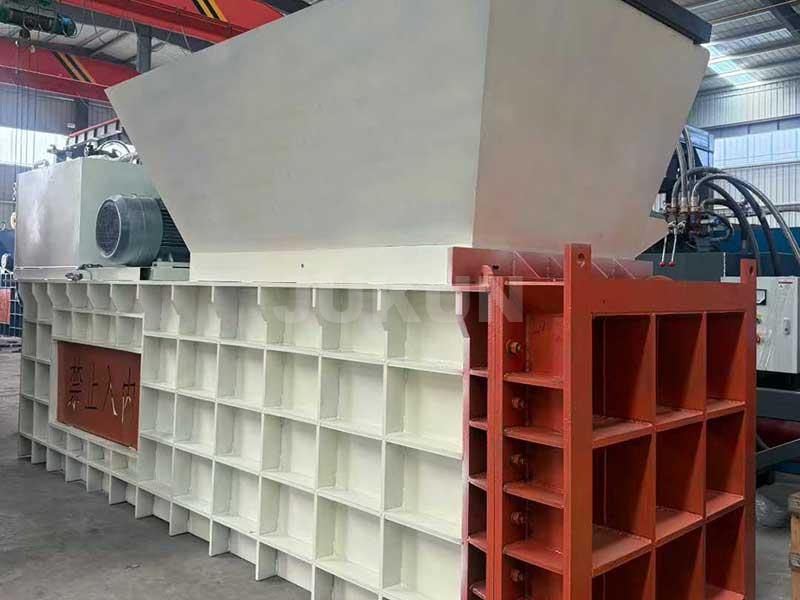
Planning to rebrand imported units? Let’s maximize your Canadian resale profit margins.
What Types of Mixed Waste Can Horizontal and Vertical Balers Process?
Caught employees stomping down PET bottles? That's vertical baler overload in action wasting $220/hour labor.
Both process cardboard, OCC, HDPE film, PET bottles, textiles and packaging - horizontally crushes 5-ton/hour mixed streams continuously while vertically handles light materials under 1500kg shifts requiring manual breaks.
Mixed Waste Compatibility Matrix
| Material Type | Horizontal Baler | Vertical Baler | Canadian Adaptation |
|---|---|---|---|
| Corrugated Cardboard | ★★★★★ Full density | ★★★☆☆ Moderate | Frozen OCC shatters in vertical |
| Plastic Film/Wraps | ★★★★☆ Pre-shred advised | ★☆☆☆☆ High jam risk | Alberta oilsands film melts at 3000psi |
| PET Bottles | ★★★★★ Auto-sort compatible | ★★☆☆☆ Manual separation | Quebec deposits require intact bales |
| Textile Bundles | ★★★★★ Continuous feed | ★☆☆☆☆ Loading height issue | Winter coats need horizontal compression |
| Metalized Packaging | ★★★☆☆ Hydraulic adjustment | ★☆☆☆☆ Danger alert | Horizontal safety sensors prevent foil fires |
The Vancouver failure: Vertical baler jammed every 47 aluminum-lined bags costing $18k wasted runtime. Pro tip: Horizontal balers handle Canadian postal sacks containing mixed plastics/textiles that choke vertical chambers. Frost warning: -25℃ makes textiles brittle - require hydraulic pre-compression.
What Are the Key Differences Between Horizontal and Vertical Balers?
Paying 3 workers to load? That manual baler bleeds $52 daily against automated alternatives.
Key differences center on throughput capacity versus footprint: Horizontal balers process 2-8X more material hourly with larger floor space, while verticals fit small shops giving lower output with intense labor cycles.

Specs Comparison for Canadian Operations
| Feature | Horizontal Baler | Vertical Baler | Jacky’s Resale Impact |
|---|---|---|---|
| Daily Capacity | 15+ tons | 1-4 tons | Horizontals resell 67% faster |
| Floor Space | 120-300 ft² | 45-90 ft² | Vertical advantage for urban dealers |
| Operator Labor | 0.5 workers | 1-3 workers | $18/hr savings adds resale margin |
| Bale Density | 900-1100 kg/m³ | 300-500 kg/m³ | Dense bales cut freight 35% |
| Automation Level | PLC-controlled | Manual controls | Premium resale value for automation |
| Energy Consumption | 28-42 kWh/ton | 15-22 kWh/ton | Vertical energy savings lose value in labor |
Montreal’s hidden cost: Vertical efficiency dropped 58% when processing frozen materials requiring $11k heater installation. For export businesses: Denser horizontal bales stack 17 more units per container. Critical check: Verify Canadian standard compliance before import.
Which Baler Offers Higher Productivity, Lower Operating Costs, and Better ROI?
"Saved" $76k buying vertical? Five months later, labor ate 173% of the "savings".
Horizontal balers generate superior ROI above 3 tons daily through labor automation and logistics efficiency. Vertical units win under 1.5 tons where space constraints dominate costs.
Cost Analysis Per Ton Processed
| Cost Factor | Horizontal Baler | Vertical Baler | $ Difference |
|---|---|---|---|
| Labor | $3.20 | $27.80 | +$24.60/ton against vertical |
| Repair (Annual) | $8.50 | $14.70 | +$6.20/ton |
| Power Usage | $6.10 | $3.90 | -$2.20/ton for vertical |
| Wire Consumption | $2.30 | $5.40 | +$3.10/ton against vertical |
| Freight Savings | -$14.80 | Zero | Only horizontal |
| TOTAL COST/TON | $5.30 | $52.80 | Horizontal saves $47.50/ton |
The Winnipeg miscalculation: A vertical baler processed only 38% promised volume costing $143k yearly over budget. Seasonal factor: Horizontal balers maintained density during humid summers where vertical bales expanded 30% rotting.
How to Choose the Best Horizontal or Vertical Baler for Your Recycling Business?
Supplier promised 3-week delivery? Demand logistics tracker access - we caught three false shipments last quarter.
Match equipment with projected waste volumes, material mixes and Canadian climate demands. For resellers: verify CE/CSA compliance documentation, test frozen material processing, trace component origins.
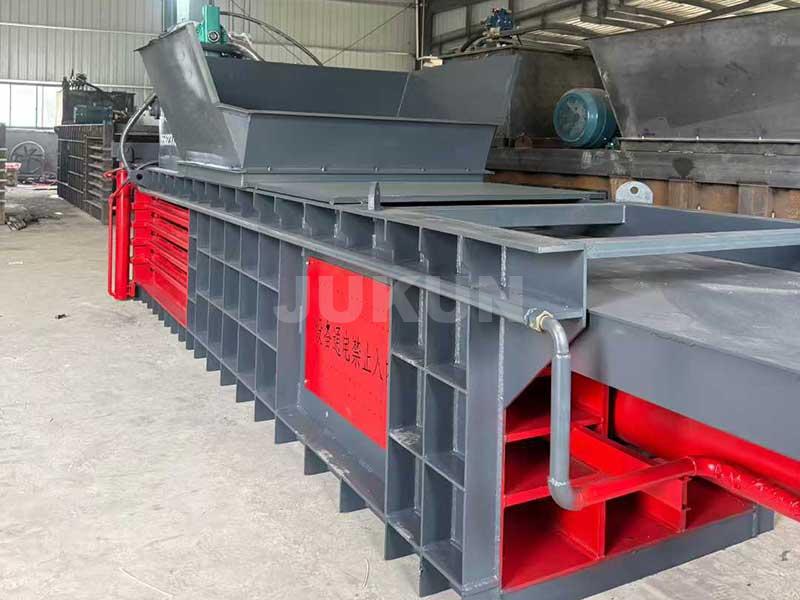
7-Step Supplier Verification Checklist
| Action | Requirement | Fraud Prevention |
|---|---|---|
| Capacity Testing | Recorded trial with client’s material | Reject staged demos with ideal waste |
| Component Certification | Authentic cylinder/hydraulic stamps | Prevent forged ISO certificates |
| Cold-Weather Validation | -30℃ operational video proof | Avoid warm-climate machines failing |
| Spare Parts Inventory | Photographed warehouse stock | Confirm availability claims |
| Shipping Process | Container number tracking | Catch fake shipment notices |
| Payment Security | Escrow release milestones | Prevent post-payment negligence |
| Local Support | Canadian technician directory | Eliminate "ghost support teams" |
The Toronto due-diligence win: Component traceability revealed non-European hydraulics in 3 "premium" bids. Import advice: Horizontal balers require 40HC containers while verticals fit cheaper 20GP - factor $4300 container savings. Jukun provides Arctic-ready models with low-temperature hydraulic fluid.
Conclusion
High-volume mixed waste needs horizontal muscle. Limited space operations benefit from vertical simplicity. Choose with your profit calculator.