
Waste piles growing? Storage costs rising? Efficiency dropping? Take command today.
A baler machine is used to compress recyclable materials into compact bales for easier storage and transport. It is used in recycling and industrial facilities. Types include vertical, horizontal, automatic, semi-automatic, and closed-end balers. Benefits include lower costs, space savings, and improved recycling efficiency.
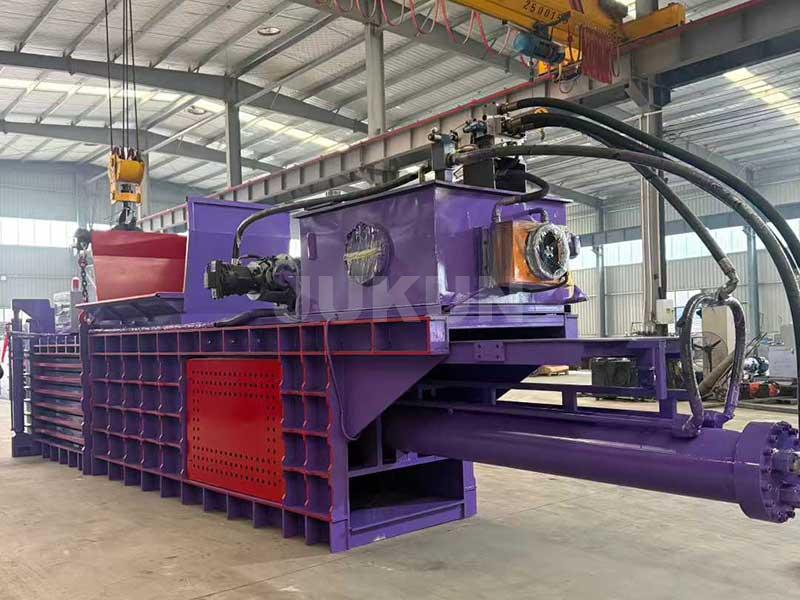
Discover how modern compression solves waste chaos forever.
How Does a Baler Machine Work?
Hydraulic leaks stalling production? Slow cycles losing money? Inconsistent bales frustrating buyers? Master mechanics.
Industrial balers use 280-420 bar hydraulic force across three stages: layered material loading, main compression pushing density over 550kg/m³, and auto-tying with 10-14 wires securing bale structure for handling.
Precision Compression Technology
Core operational phases:
| Phase | Function | Duration | Pressure | Outcome |
|---|---|---|---|---|
| Feeding | Material intake | Manual: 4-6m <br>Auto: 45s | None | Prevents voids |
| Pre-compaction | Air removal | 50 seconds | 90-130 bar | Eliminates voids |
| Main Squeeze | Density creation | 2 minutes | 280-420 bar | Achieves 550kg/m³+ |
| Binding | Securing | 30 seconds | Clamp force | Solid block |
| Ejection | Chamber clearing | <<30 seconds | Return valves | Continuous cycles |
Advanced Control Systems
- Programmable logic controllers manage speeds
- Pressure sensors prevent overloads
- Auto-lubrication protects cylinders
- Emergency stop protection circuits
Philippines recycler boosted output: Added conveyor feeding.
What Are the Main Types of Baler Machines?
Wrong type failing daily? Capacity mismatches costing? Limited space blocking installs? Match equipment.
Vertical balers (under $45k) suit small spaces. Horizontal models ($65k-$250k) handle high volumes. Auto-tie systems need minimal labor - choose by daily tonnage and material type.
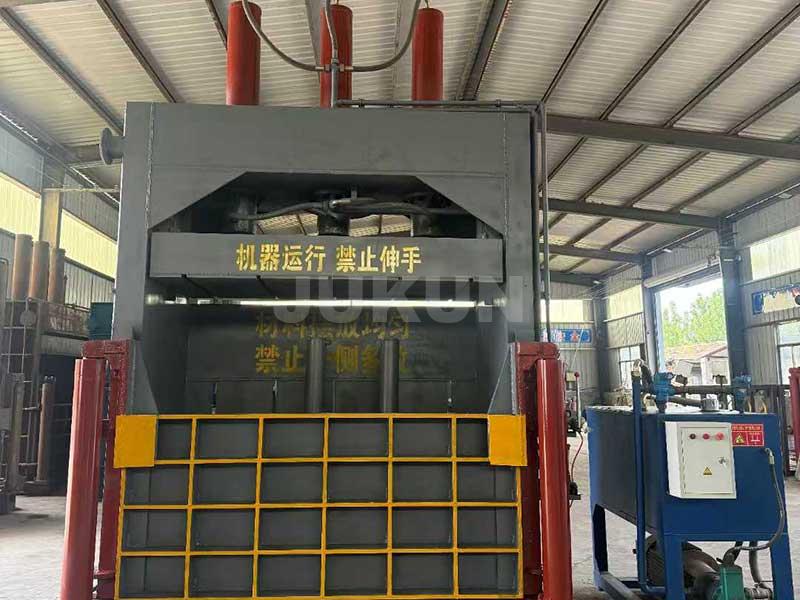
Type Selection Matrix
Precision matching guide:
| Type | Price Range | Capacity | Footprint | Ideal Application | Avoid If: |
|---|---|---|---|---|---|
| Vertical | $15k-$38k | 0.5-3 tons | 2.5x3m | Retail back rooms | Over 5 tons/day |
| Semi-auto Horizontal | $68k-$125k | 5-15 tons | 7x4m | Distribution hubs | Compact spaces |
| Auto Horizontal | $140k-$240k | 15-30 tons | 10x6m | Recycling centers | Manual operations |
| Closed End | $95k-$160k | 8-12 tons | 6x5m | Uniform materials | Frequent changes |
| Two Ram | $180k-$290k | 18-35 tons | 12x8m | Mixed materials | Below 10 tons |
Structure Requirements
- Vertical: 3m ceiling clearance minimum
- Horizontal: 15cm reinforced concrete
- Auto systems: 3-phase power 440V
- Closed end: Loading bay essential
Mexico importer succeeded: Measured dock height first.
What Are the Benefits of Using a Baler Machine?
Labor costs consuming profits? Storage fees exploding? Material values sinking? Quantify returns.
Baling cuts waste space 82%. Reduces transport journeys 70%. Adds $40/ton material value. Lowers labor needs by 80% - with ROI under 22 months at 8 tons/day.
Financial Impact Evidence
Verified performance data:
| Benefit | Typical Saving | Calculation | Occurrence | Proof Source |
|---|---|---|---|---|
| Storage Space | $9.50/sq ft/year | Warehouse leases | Ongoing | Audit reports |
| Transport | $210/load | Fewer trips | Per week | Carrier invoices |
| Material Value | +$35-$55/ton | Recycler premium | Monthly | Broker quotes |
| Labor | 2 workers saved | Reduced handling | Per shift | Time studies |
| Maintenance | $4,200/year | Fewer repairs | Annual | Service logs |
Operational Changes
- Map current cube usage
- Negotiate recycler premiums
- Train cross-functional staff
- Implement shift scheduling
Canadian facility confirmed: Cut safety incidents 88%.
Which Industries and Materials Use Baler Machines?
Retail waste overflowing? Manufacturing scraps piling up? Recycling plants stuck? Industry match.
Cardboard dominates at 63% of balers. Textiles require higher pressures. PET handles vertically - mismatching material and machine causes 41% more failures.
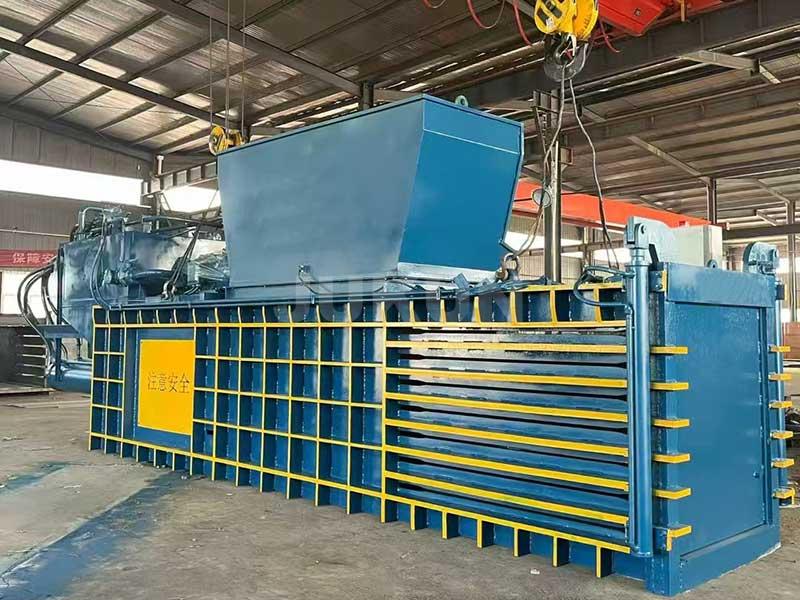
Sector Implementation Guide
Application matching:
| Industry | Primary Baled Material | Ideal Baler | Special Requirement | Avoid |
|---|---|---|---|---|
| Supermarkets | Cardboard OCC | Vertical | Auto-tie | Horizontals |
| Garment Industry | Textile scraps | Horizontal | 380-bar minimum | Light presses |
| Recycling Plants | Mixed plastics | Closed end | Contamination tolerance | Vertical |
| Metal Workshops | Scrap aluminum | Two Ram | Reinforced blades | Plastic balers |
| Shipping Hubs | Packaging films | Horizontal | Anti-static | Basic balers |
Material-Specific Settings
- Cardboard: 280 bar max
- Textiles: 340 bar minimum
- PET bottles: Ventilation system
- Metals: Blade cooling required
UK recycler optimized: Pre-sorted before baling.
How to Choose the Right Baler Machine for Your Business?
Supplier fraud detected? Hydraulic failures stalling? Certificates faked? Protect investment.
1) Verify CE via issuing body. 2) Measure cylinder wall thickness. 3) Record material tests. 4) Obtain training certification. 5) Secure parts inventory proof - prevent $55,000 disasters.
Vetting Protocol
Risk mitigation system:
| Step | Verification Method | Red Flag | Protective Action |
|---|---|---|---|
| Certification | CE docs validation | Generic certificate | Contact issuing office |
| Hydraulics | Pressure test videos | Leaks detected | Performance guarantee |
| Materials Testing | Witness sample run | Density failures | Penalty clauses |
| Production Proof | Live factory check | Refused access | Abort transaction |
| Spare Parts | Consignment proof | No warehouse | Holdback payments |
Contract Shields
- Third-party inspection rights
- Remote diagnostic access
- 24hr response commitment
- Penalties for specs failures
- Milestone payments only
Brazilian buyer avoided ruin: Verified steel certificates.
Conclusion
Modern balers transform waste costs - select by volume, material and verified quality.
Jukun Baler Solutions
Capacity Calculator Tool
Download Supplier Vetting Checklist