
Are you looking for a cardboard baler but confused by the wide range of prices you see online?
The price of a horizontal cardboard baler typically ranges from $20,000 to over $150,000, depending on the machine size, automation level, hydraulic power, and build quality, with most mid-range models for small-to-medium businesses costing between $40,000 and $80,000.
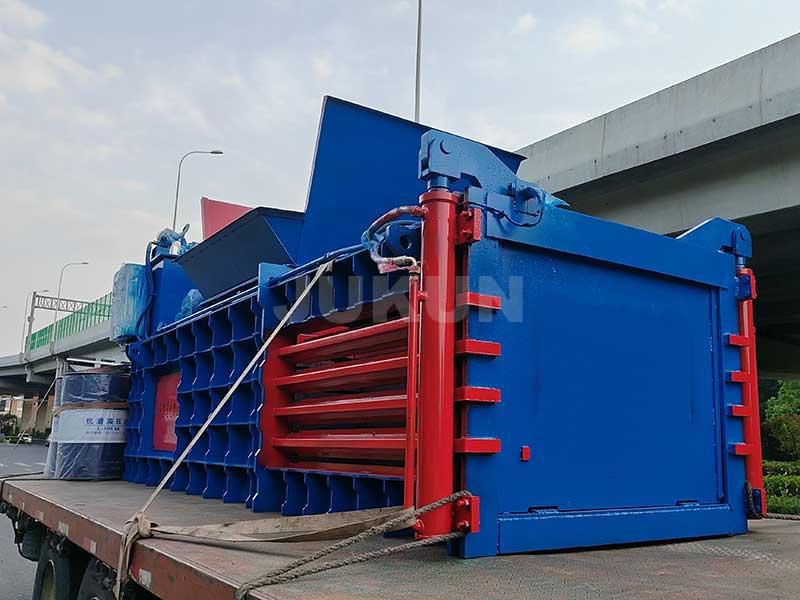
Cardboard is everywhere. Every business that receives shipments has cardboard waste. But handling that waste properly takes the right equipment. I have helped many buyers find the right baler for their budget. Some paid too much for features they did not need. Others paid too little and ended up with unreliable machines. Let me help you avoid both mistakes.
What Is the Average Price of a Horizontal Cardboard Baler?
How much should you expect to pay for a horizontal cardboard baler that meets your business needs?
A small semi-automatic horizontal cardboard baler costs between $25,000 and $45,000, a mid-range fully automatic model ranges from $50,000 to $80,000, and large industrial units with conveyors and heavy-duty hydraulics can exceed $120,000.
The price range is wide because these machines are not one-size-fits-all. Let me break it down by the main categories you will see on the market.
| Machine Type | Price Range | Best For |
|---|---|---|
| Small semi-automatic | $25,000 – $45,000 | Small warehouses, retail stores (2-5 tons/day) |
| Mid-range automatic | $50,000 – $80,000 | Medium recycling facilities, distribution centers (5-10 tons/day) |
| Large industrial | $90,000 – $150,000+ | Large recycling plants, paper mills (10-20+ tons/day) |
I have seen buyers get excited about a $25,000 price tag. But then they realize the machine does not include automatic tying, or it has a smaller cylinder that produces soft bales. Those soft bales cost them money every time they ship. The buyer who spent $55,000 on the right machine saved more in transport and labor costs within the first year.
The listed prices usually include the basic machine, hydraulic system, and control panel. But many extras are not included. Conveyors add $5,000 to $15,000. Automatic wire tying systems add $3,000 to $8,000. Shipping and installation add another $3,000 to $10,000 depending on your location.
What Factors Affect the Cost of a Horizontal Cardboard Baler?
Why do two machines with similar specifications have such different price tags?
The main cost factors are the hydraulic system power, steel quality and thickness, automation level, brand components versus generic parts, bale size and weight capacity, and the inclusion of features like automatic tying and conveyor systems.
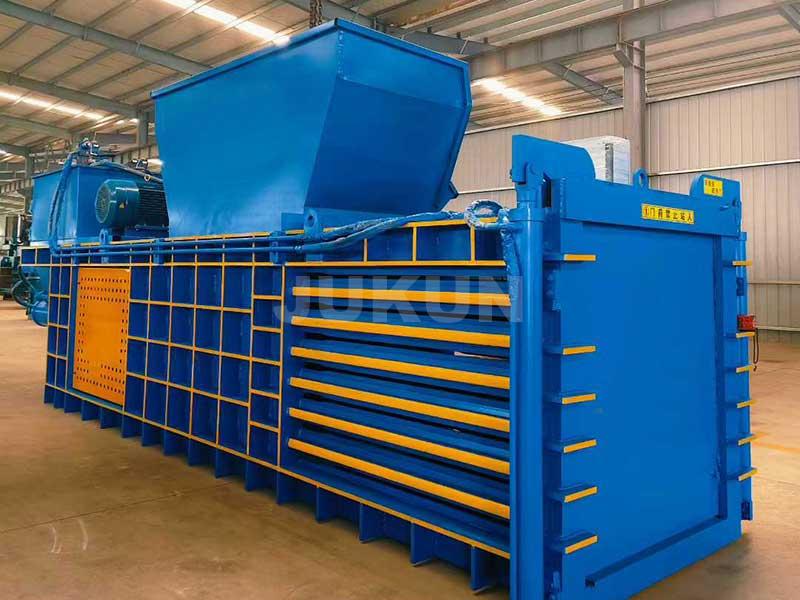
Let me walk you through each factor so you know exactly what you are paying for.
Hydraulic system power
The hydraulic cylinder is the heart of the baler. A machine with a 100-ton compression force costs less than one with a 200-ton force. But the more powerful machine can process heavier and denser cardboard. If your cardboard is thick or double-walled, you need more force. The hydraulic pump and motor also vary in quality. Branded pumps from Bosch or Rexroth cost more but last longer. Generic pumps are cheaper but may fail sooner.
Steel quality and thickness
The steel frame and chamber take all the pressure. Thicker steel is more expensive. But it also means the machine does not flex or crack under heavy use. I have seen machines with thin steel that started showing stress fractures within a year. The repair cost was almost as much as the machine itself. Check the steel grade and thickness before you buy. Ask for material certificates.
Automation level
Semi-automatic balers require manual feeding and sometimes manual tying. They are cheaper. Fully automatic balers have sensors, PLC controllers, and automatic tying systems. They cost more but save labor. For a high-volume operation, the labor savings from automation pay for the extra cost very quickly.
Brand components
Ask about the brand of the hydraulic cylinder, pump, motor, and electrical components. Known brands like Bosch, Rexroth, and Yuken are more expensive. But they are more reliable and easier to get replacement parts for. Generic components may be cheaper upfront but can lead to costly downtime.
Bale size and density
Larger bales require more steel, more hydraulic power, and more engineering. Machines that produce bales weighing 500 kg or more cost more than machines that make 200 kg bales. But larger bales mean fewer shipping trips. Work out the cost per ton of transport to see if the larger machine saves you money.
Conveyor and feeding system
A conveyor belt makes feeding easier and safer. It also speeds up the process. But it adds cost. Some operations can feed manually and save money. Others need continuous feeding to keep up with their waste volume.
Customization
If you want a specific color, a special control panel, or modifications to the bale size, these add to the price. Standard models are cheaper. Custom builds take more engineering time.
How to Choose the Best Horizontal Cardboard Baler Within Your Budget
How do you make sure you get the best value without overspending or buying an underperforming machine?
To choose the best horizontal cardboard baler within your budget, focus on your daily cardboard volume, the bale density you need, the machine's build quality, and the supplier's reputation, and always compare the total cost of ownership, not just the purchase price.
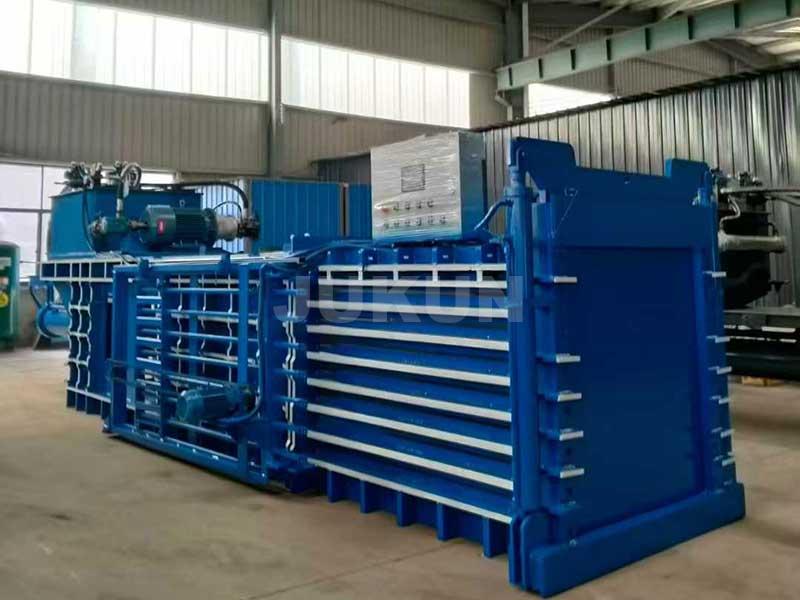
I have seen buyers focus only on the purchase price and regret it later. Let me give you a practical process that works.
Step 1: Measure your daily cardboard volume
Weigh your cardboard waste for a week. Get an average daily number. This tells you what size machine you need. If you generate 3 tons per day, a small semi-automatic baler may be enough. If you generate 8 tons per day, you need a mid-range automatic model. If you generate 15 tons or more, look at industrial units.
Step 2: Decide on bale density
Higher density means heavier bales and fewer shipping trips. But higher density requires more hydraulic power. If you ship your bales a long distance, higher density saves you money. If your recycling center is close, you may not need maximum density. Calculate your transport cost per ton to find the sweet spot.
Step 3: Compare three suppliers
Never buy from the first supplier you find. Talk to at least three. Compare their prices, specifications, and warranty terms. One supplier may offer a better warranty. Another may include more features in the base price. Another may have better shipping terms. The cheapest price is rarely the best deal.
Step 4: Check the build quality
Ask about steel thickness, weld inspections, and hydraulic components. A well-built machine costs more but lasts longer. Look at the machine in person if you can. If you are buying from overseas, ask for detailed photos and videos. Look at the welds, the finish, and the quality of the wiring.
Step 5: Factor in shipping and installation
A $50,000 machine can become a $60,000 machine after shipping, customs, and installation. Get a complete quote that includes all these costs. Some suppliers offer CIF pricing that includes shipping and insurance. Others quote FOB, where you arrange shipping yourself. Understand the difference and compare total delivered costs.
Step 6: Check the warranty and support
A good warranty covers parts for at least three years. But check what is covered. Does it include the hydraulic cylinder, pump, motor, and electrical system? Is labor included or only parts? Also ask about technical support. Can you reach them by phone or email? Do they have a technician who speaks your language? These matters when you have a problem.
Step 7: Read reviews and ask for references
Ask the supplier for contact information of customers who bought similar machines. Call those customers and ask about their experience. Was the machine reliable? Did the supplier deliver on time? Was the support good? This is the most reliable way to check a supplier.
Is a Horizontal Cardboard Baler Worth the Investment?
With all these costs, is a horizontal cardboard baler really worth the money for your business?
A horizontal cardboard baler is worth the investment if you process more than 3 tons of cardboard per day, because it typically pays for itself within 12 to 24 months through transport savings, labor savings, and revenue from selling high-density bales.
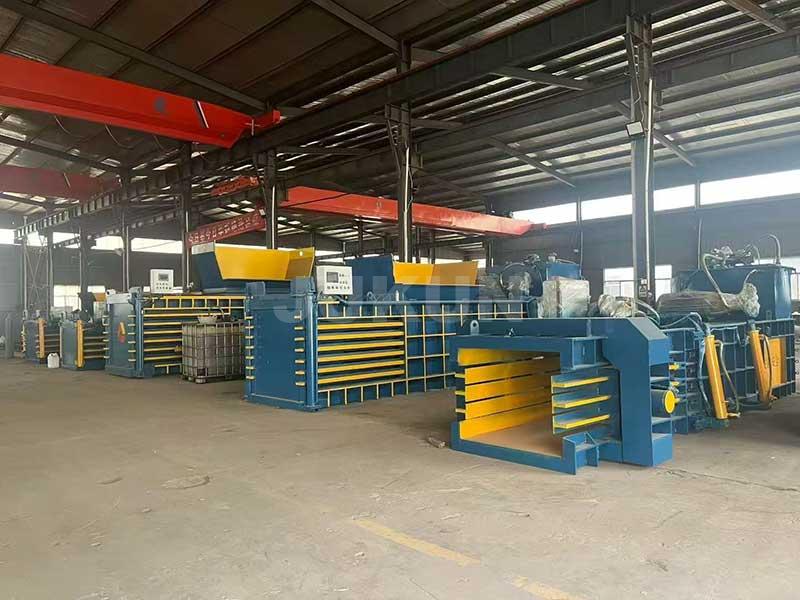 Let me show you a real example. One of my clients processed 5 tons of cardboard per week. He was paying $400 per month for waste pickup. He also spent $300 per month on dumpster rental. That is $700 per month in costs, or $8,400 per year. After installing a $55,000 horizontal baler, his transport cost dropped to $100 per month. He also started selling his bales for $50 per ton. That is $1,000 per month in revenue. His net savings were around $1,600 per month. In 34 months, the baler paid for itself. After that, it was pure profit.
The payback period can be even shorter for larger operations. A facility processing 10 tons per day can pay off a horizontal baler in 12 to 18 months.
Beyond the financials, a horizontal baler gives you control. You are no longer at the mercy of waste haulers. You choose when to ship. You produce bales that mills want. You turn a cost center into a profit center.
Some buyers worry about the space a horizontal baler takes. Yes, it needs more floor space than a vertical baler. But the efficiency gains are worth it. You can store bales outdoors if needed. They stack neatly and stay dry with proper covering.
I have also seen businesses increase their recycling revenue after installing a horizontal baler. The consistent, high-density bales command better prices. One client told me he got an extra $20 per ton because his bales were clean and dense.
The investment is significant. But the return is real. For any business that generates a steady stream of cardboard waste, a horizontal baler is not just equipment. It is a tool that improves your bottom line.
Conclusion
A horizontal cardboard baler costs between $25,000 and $150,000, but it is a worthwhile investment that pays for itself through transport savings, labor reduction, and revenue from bales.