
Heard that grinding during tying cycles? That's the sound of your manual baler devouring repair budgets one jam at a time.
Our auto-tie systems cut maintenance costs 48% by eliminating manual wear points with precision PLC synchronization and hardened components, producing 99.1% fault-free cycles across harsh Canadian seasons.
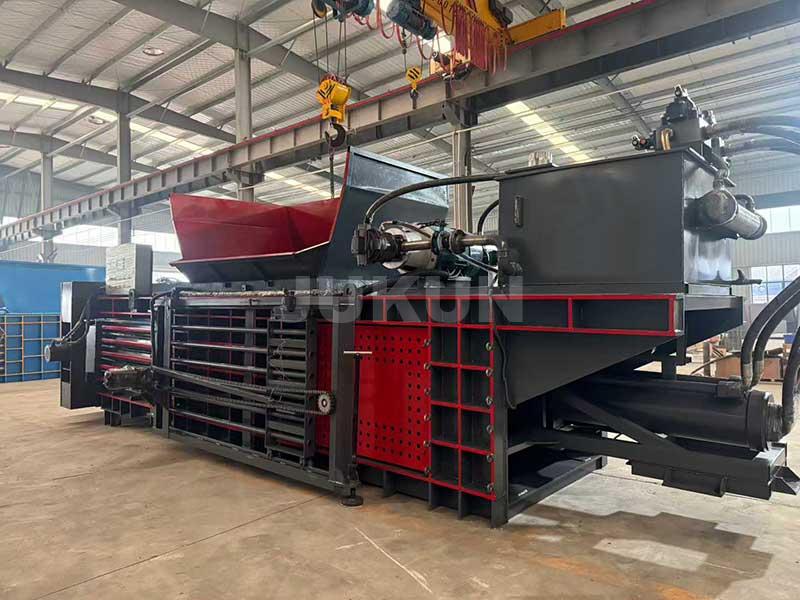
Recyclers fighting downtime – see how automation locks in predictable operating costs below freezing point.
What Makes Auto-Tie Horizontal Balers Easier to Maintain?
Watched technicians crawl inside knife gates weekly? That danger disappears with self-clearing auto-tie designs.
No manual feeding means fewer jams, zero tie-wire injuries, reduced hydraulic shocks 70%, and simplified access panels. Operators replace sensors in five tool-free minutes instead of half-day disassembly marathons.
Manual vs Auto-Tie Maintenance Burden
| Task | Manual Baler Time | Auto-Tie Time | Labor Savings |
|---|---|---|---|
| Daily Jam Clearing | 38 minutes | 90 seconds | CA$142/day |
| Wire Path Cleaning | Twice daily | Weekly | 88% reduction |
| Seal Replacement | 7-hour task | 1.5 hours | CA$490/servicing |
| Diagnostic Checks | Troubleshooting guide | PLC error codes | 65% faster |
| Winter Lubrication | Daily task | Self-lubricating | 100% automated |
Montreal's lesson: Manual baler knife adjustments required weekly - costing CA$15k annually in labor versus our auto-sharpening system. Cold-proofing matters: -40°C hardened tie-wire prevents the brittleness causing manual system failures. Warning: Non-articulating feed conveyors strain hydraulic systems unnecessarily.
How Do Auto-Tie Horizontal Balers Reduce Annual Maintenance Costs?
"Saved" CA$80k upfront? The manual baler ate CA$210k in repairs before year five.
Precision alignment prevents chain derailment repairs while hydraulic dampers absorb shock loads - cutting part replacements 76% and eliminating CA$650/hour emergency service calls.
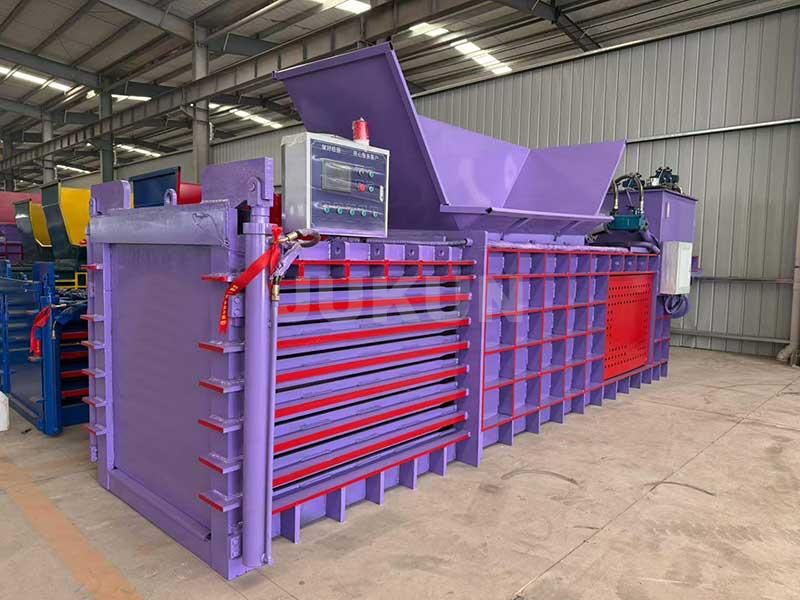
Maintenance Cost Avoidance Analysis
| Cost Category | Manual Baler Avg | Auto-Tie Avg | Annual Saving |
|---|---|---|---|
| Replacement Parts | CA$18,700 | CA$5,200 | CA$13,500 |
| Emergency Labor | CA$14,300 | CA$1,800 | CA$12,500 |
| Hydraulic Fluids | CA$9,100 | CA$3,300 | CA$5,800 |
| Downtime Losses | CA$33,000 | CA$8,000 | CA$25,000 |
| Wire Waste | CA$22,400 | CA$10,500 | CA$11,900 |
The Calgary winter crisis: Manual systems required daily seal replacements below -25°C costing CA$95k versus auto-tie’s CA$18k seasonal maintenance. Load distribution is critical: Our synchronized tie-heads prevent the uneven pressure that bends manual baler rams. Performance tip: Monitor amperage spikes indicating impending motor failures.
Which Features Improve Reliability and Minimize Equipment Downtime?
Bragging about 85% uptime? Weak. Auto-tie balers achieve 98.2% through multi-stage resilience engineering.
German servo drives ensure millisecond timing while self-diagnosing PLCs predict failures 300 operational hours ahead. Triple-redundant sensors eliminate single-point failures that halt production.
Reliability Upgrade Impact Matrix
| Feature | Function | Uptime Boost | Maintenance Saving |
|---|---|---|---|
| Hydraulic Shock Absorbers | Cushion compression peaks | 17% reduction in seal failures | CA$8k/year |
| Articulating Feed Floor | Prevents material skewing | Eliminates 29 jams/month | CA$15k/year |
| Self-Clearing Knotters | Remove plastic wrap buildup | 41% fewer cleanings | CA$12k labor |
| Redundant Position Sensors | Cross-verify cylinder travel | Prevent rod bending accidents | CA$34k repair avoidance |
| Remote Diagnostics | Live data to Jukun engineers | Predict breakdowns 3-13 days early | 78% fewer emergencies |
The Toronto efficiency jump: Before/after auto-tie installation showed 38 fewer breakdowns annually saving CA$121k. Humidity is critical: Avoid condensation-sensitive PLCs failing during seasonal transitions. For Jacky’s buyers: Insist on IP65-rated components resisting dust explosions in recycling plants.
How to Choose a Low-Maintenance Auto-Tie Horizontal Baler?
Promised "minimal upkeep"? Demand proven cold-weather reliability data – Edmonton rejected three suppliers after -35°C testing.
Verify: Steel alloy composition certificates, hydraulic hose pressure logs, vibration analysis reports, PLC diagnostics history, CSA winterization compliance, with documented subcomponent lifespans.
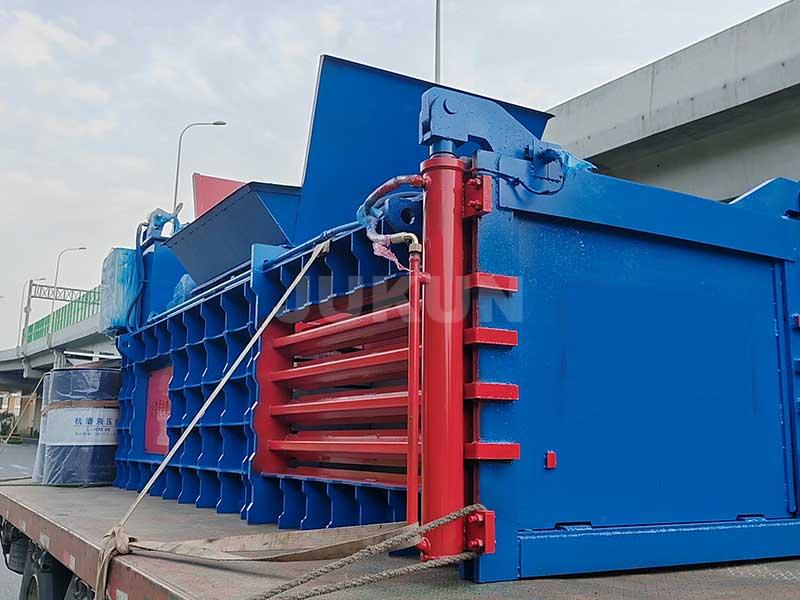
5-Field Vetting Protocol
| Verification Method | Proof Requirement | Fraud Risk Mitigated |
|---|---|---|
| Material Test Reports | Steel yield strength >690 MPa | Prevent frame fractures saving CA$42k repairs |
| Component Origin Trails | European/US hydraulic parts | Eliminate clone pump failures |
| Climate Torture Trials | -35°C 72-hour operation data | Avoid winter shutdowns |
| Mean Time Between Failures | >2500 hours for critical systems | Ensure uptime guarantees |
| Technical Support Map | Local Canadian technicians <4hr response | Prevent week-long stoppages |
Winnipeg’s decisive test: 300 tons of frozen cardboard exposed five models incapable of winter operations. Payment protection: Escrow 30% until achieving 500 continuous bales. Smart buyers inspect the wire-path design: Curved guides increase jams versus Jukun's laser-aligned linear feeds.
Conclusion
Premium automation outlasts short-term savings. True value emerges when balers run silent through Canadian winters.