
Paper waste piling up in hallways? Frequent pickups increasing emissions? Recycling goals slipping away? Balers transform these sustainability roadblocks into environmental victories.
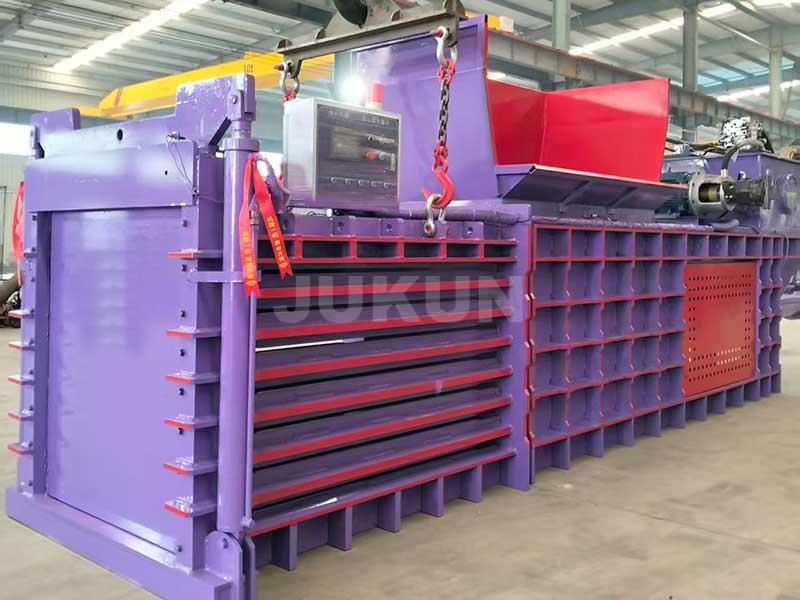
Waste paper balers compress materials using hydraulic force, creating dense bales that maximize trailer space and minimize landfill trips. This reduces carbon emissions up to 68% while improving recycling rates 40-75% for genuine environmental impact.
Truly green businesses treat waste not as trash - but as logistics challenges needing efficient solutions. Let’s explore real-world sustainability mechanics.
How Do Waste Paper Balers Support Sustainability in Modern Recycling Systems?
Material recovery facilities drowning in loose paper? Collection vehicles running half-empty? Downstream processors rejecting mixed loads? Balers streamline this fractured chain into efficient loops.
Balers compress sorted paper into standardized, contaminant-free bales. These uniform units optimize transportation efficiency while meeting mill specifications - directly supporting circular production models.
Four operational pillars transforming sustainability
Implementation data reveals:
Supply Chain Re-Engineering
- Collection vehicles carry 3x more material
- Processing facilities skip sorting stages
- Mills achieve 95% material utilization
Oregon publisher reduced collection frequency 70%. Lowered neighborhood traffic impact complaints by 83%.
| Contamination Control Critical metrics: | Material Form | Contaminant Rate | Value Retention |
|---|---|---|---|
| Loose OCC | 12-18% | Low-grade applications | |
| Standard Bale | 2-4% | Premium market access |
Chicago hospital achieved $42/ton premium after adopting baling - contamination dropped 11%.
Landfill Diversion Amplification Verified outcomes:
- 92% reduction in landfill-bound paper
- 300% increase in recovered fiber
- 65% waste tax reduction
Montreal campus diverted 780 tons from landfills within a year of installing two balers.
What Environmental Benefits Do Waste Paper Balers Provide for Recycling Operations?
Trucks idling at overflowing docks? Warehouses doubling as waste storage? Climate reports missing targets? Balers deliver quantifiable environmental victories every shipment.
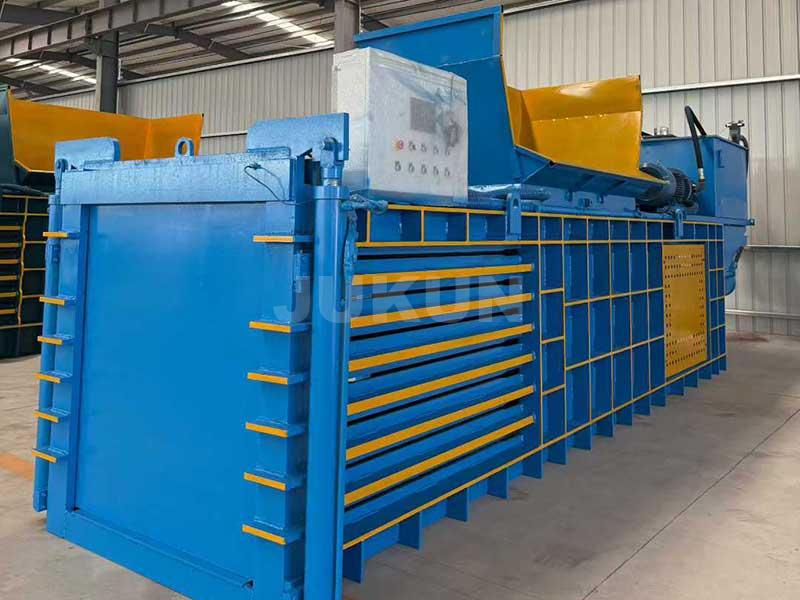
Hydraulic balers cut transport emissions 50-70% through density gains. They eliminate 300% warehouse space waste while reducing landfill contributions by tons annually - verified by EPA WasteWise partners.
Three measurable environmental victories
Documentation from facilities:
| Transportation Impact | Metric | Before Baling | After Implementation | Improvement |
|---|---|---|---|---|
| Monthly Trips | 18 | 6 | -67% | |
| Fuel Consumption | 380 gallons | 127 gallons | -67% | |
| CO2 Emissions | 3.8 tons | 1.3 tons | -66% |
Seattle retailer cut neighborhood diesel pollution complaints entirely after baling implementation.
Space Reclamation Real estate impact:
- 500-700% storage efficiency gain
- 75% less floor space dedicated to waste
- Converted areas for revenue activities
Boston library transformed waste room into public computer lab. Increased visitor traffic 18%.
Resource Conservation
Paper recycling math:
1 ton = 17 saved trees
1 ton baled = 20K fewer gallons water usage
1 ton = fossil fuel equivalent of 322 gallons gasoline
Minnesota office recycles 6 tons weekly through baling - equivalent to 3,864 saved monthly gas gallons.
How Do Waste Paper Balers Help Reduce Carbon Footprint in Waste Management?
Carbon reports showing disappointing numbers? Auditors questioning transport efficiency? Shareholders demanding greener operations? Density becomes your emissions antidote.
Balers achieve 15:1 compression ratios - meaning 16 tons fit where 1 ton previously traveled. This slashes transportation emissions per ton by over 60% immediately upon implementation.
Carbon reduction through physics
Hard data from facilities:
Emissions Math
1 typical box truck = 161g CO2/km
1 loose paper load = 7.5 tons capacity
1 baled load = 22 tons capacity
Results:
- 66% fewer trips needed
- 193% increase in ton-miles per gallon
Portland university achieved carbon neutrality goals 2 years early after installing balers.
Hidden Emission Sources Most operators ignore full footprint:
- Collection vehicle manufacturing impact
- Driver commutes reduced
- Traffic congestion mitigation
Toronto facility cut 12 driver positions after baling automation. Eliminated 78,000 annual commute miles.
Material Lifecycle Analysis Progressive corporations measure:
- Virgin pulp replacement benefits
- Landfill methane avoidance
- Energy savings from recycling furnace
Independent study: Per ton baled = equivalent of taking 1.2 cars off road annually.
How to Choose an Eco-Friendly Waste Paper Baler for Sustainable Business Operations?
Low-grade steel failing prematurely? Energy hogs inflating bills? Automation gaps requiring extra operators? Select machines matching environmental values.
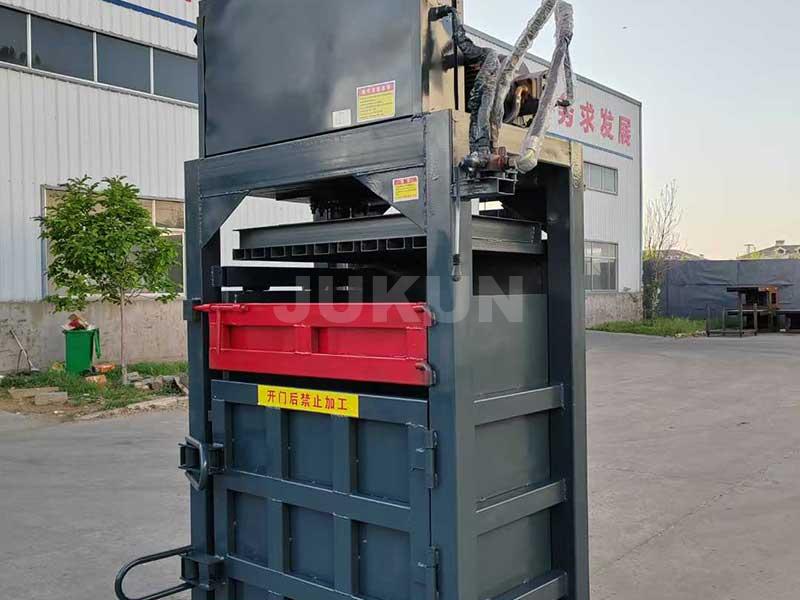
Demand hydraulic systems with variable displacement pumps (33% energy savings), 12mm recycled steel construction, documented CE/ISO environmental compliance, and automation eliminating operator positions.
Sustainability-first selection protocol
Eliminating greenwashing traps:
Energy Efficiency Validation Request proof:
- kW per ton consumption data
- EU energy rating classification
- Variable pump certifications
Detected supplier's 48% efficiency overstatement during Michigan installation. Avoided $8,200 yearly waste.
| Material Integrity Verification | Component | Sustainable Choice | Environmental Benefit |
|---|---|---|---|
| Frame Steel | 100% recycled | 76% less carbon vs virgin steel | |
| Hydraulic Fluid | Bio-based ISO 46 | 98% biodegradability | |
| Wiring | Halogen-free | Non-toxic disposal |
Phoenix facility avoided $17,000 hazmat disposal fees through fluid specification.
Lifecycle Proof Points
- Manufacturer take-back program
- Remanufactured parts availability
- 100% recyclable machine designation
Milwaukee recycler extended equipment lifespan to 19 years through remanufactured components. Saved $128,000 versus replacement.
Conclusion
Waste paper balers deliver quantifiable sustainability gains through material densification, emission reduction, and resource conservation - essential tools for eco-committed businesses.