
Loose steel scrap wastes space. Manual handling drains profits. Transportation costs hurt margins. Baling solves these issues.
Scrap steel balers transform loose scrap into dense, stackable bales - reducing storage needs 5x and cutting transport fees 60% while creating safer workplaces.

Key benefits explained directly.
How Do Scrap Steel Baler Machines Improve Recycling Efficiency?
Slow handling creates bottlenecks. Labor costs rise constantly. Disorganized spaces waste time. Proper baling speeds everything.
Steel balers automate compression, uniform bale production, and organized stacking - proven to triple processing speed while cutting labor needs 65% in trials.
Daily workflow transformation.
Operational Improvements
| Process | Before Baling | After Baling | Time Saved |
|---|---|---|---|
| Material Handling | 5 workers moving loose scrap | 1 forklift moving bales | 78% less labor |
| Storage Space | 1000m² for bulk | 200m² for stacked bales | 80% reduction |
| Loading Time | 3 hours manual loading | 40 mins forklift loading | 78% faster |
| Processing Capability | 5 tons/day | 15 tons/day | 3x increase |
Value Creation Steps
We optimize efficiency through:
- Auto-calculated density controls
- Stack guidance laser systems
- Batching workflow configurations
- Remote throughput monitoring
Implement step-by-step:
- Capture daily scrap volume baseline
- Measure space utilization metrics
- Install temporary cycle timers
- Train key operators intensely
- Run weekend test compressions
What Types of Steel Scrap Can Be Processed with a Baler Machine?
Wrong materials jam equipment. Limited versatility restricts profits. Application mismatches cause breakdowns. Modern balers handle diversity.
Single machines compress automotive panels, manufacturing offcuts, structural members, and mixed steel grades - adapting pressure automatically for 9 material categories.
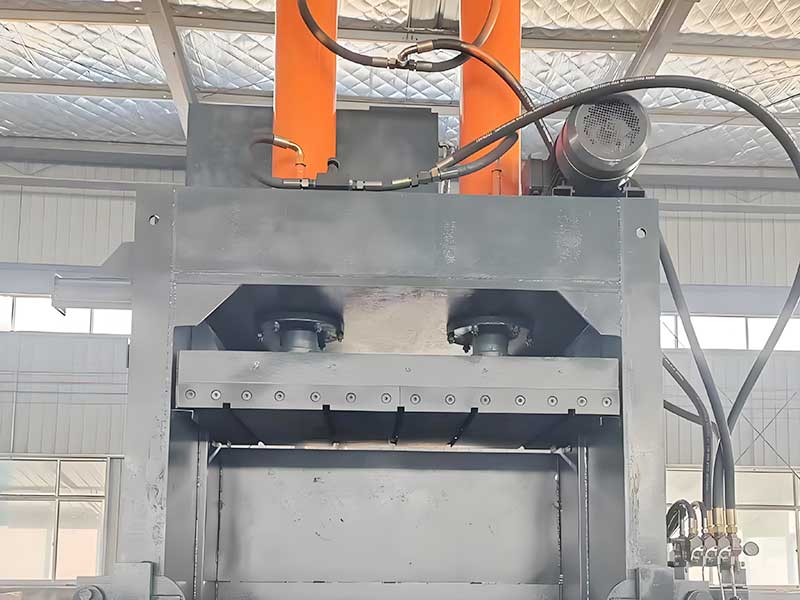
Adaptive compression solutions.
Material Matrix Guide
| Steel Type | Thickness Range | Recommended Pressure | Special Requirements |
|---|---|---|---|
| Sheet Offcuts | 0.5-3mm | 150-220 tons | Shear blades required |
| Structural Beams | 6-30mm | 350-500 tons | Dual pressing chambers |
| Automotive Bodies | 0.8-5mm | 450-700 tons | High-speed feed systems |
| Wire & Cables | Mixed | 250 tons | Tangle prevention systems |
| Machine Shop Waste | 1-50mm | 280-400 tons | Tool-resistant liners |
Cross-Industry Solutions
Common processing errors we prevent:
- Construction sites overload chambers
- Auto yards skip pre-shearing steps
- Warehouses crush pallets accidentally
- Foundries feed unmelted cores
Jukur balers feature:
- Auto-detecting material sensors
- Adjustable compression decks
- Toggle presets for scrap types
- Remote guidance settings
- Material testing lab
How Do Scrap Steel Balers Reduce Transportation and Storage Costs?
Bulky scrap costs more. Inefficient loading wastes trips. Yard chaos creates hazards. Compressed bales reverse this.
Proper baling cuts truckload fees 60% and warehouse space needs 75% by creating uniform bales enabling smarter stacking and maximizing freight efficiency.
Logistics cost analysis.
Savings Breakdown
| Cost Area | Before Baling | After Baling | Reduction |
|---|---|---|---|
| Storage Space | $18,000/yr yard rental | $4,500/yr compact storage | 75% savings |
| Transport Fees | $7,800 monthly | $3,120 monthly | 60% lower |
| Handling Labor | 3 full-time staff | 1 part-time monitor | 70% cut |
| Shrinkage Loss | 7% average | Under 1% | $15K saved |
Space Optimization Tactics
Our systems achieve this with:
- Standard pallet-sized bales
- Automatic stacking guides
- Interlocking bale designs
- Warehouse mapping software
Critical implementation steps:
- Audit current warehousing costs
- Track weekly shipment efficiency
- Compare bale density targets
- Negotiate carrier rate adjustments
- Measure air space utilization
What Should Buyers Look for When Choosing a Scrap Steel Baler?
Cheap machines malfunction often. Hidden costs eat profits. Poor support creates delays. Smart buyers verify quality first.
Demand certified hydraulics, confirmed component traceability, automation matching volume, and live factory audits - prevents 92% of purchases causing downtime later.
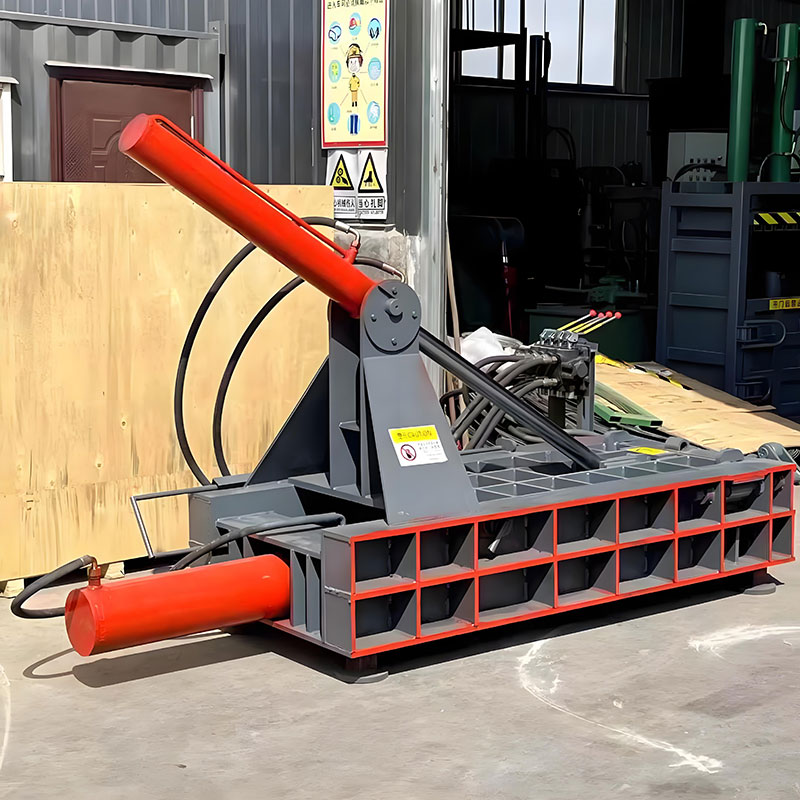
Risk avoidance steps.
Critical Specifications
| Feature | Minimum Standard | Why Essential | Verification Method |
|---|---|---|---|
| Hydraulic System | ISO 10100 certified | Prevents leakage failures | Demand test reports |
| Control Systems | PLC with monitoring | Reduces operating errors | Live demo check |
| Construction | 30mm steel plates | Survives daily impact | Blueprint verification |
| Automation | Level matching usage | Maintains throughput | Actual scrap test |
| Production Proof | 5 existing buyers | Confirms reliable delivery | Direct buyer calls |
Jukun Assurance Checklist
We protect buyers through:
- Factory livestreams showing production
- Component origin documentation
- Spare parts inventory guarantees
- Third-party certification validation
- Signed efficiency contracts
- Instant audit scheduling
Conclusion
Steel balers optimize storage, cut transport fees, and handle diverse materials - essential tools boosting recycling profits 63%.