
Our warehouse lost $18k storing uncompressed cardboard last year. Then we installed our first baler - floor space transformed into revenue-generating racks overnight economically.
Horizontal hydraulic balers deliver maximum ROI in industries generating constant cardboard/plastic volumes: recycling centers processing 8+ tons daily, distribution hubs with 500+ monthly pallets, packaging plants creating scrap, and textile factories managing fibrous waste systematically.
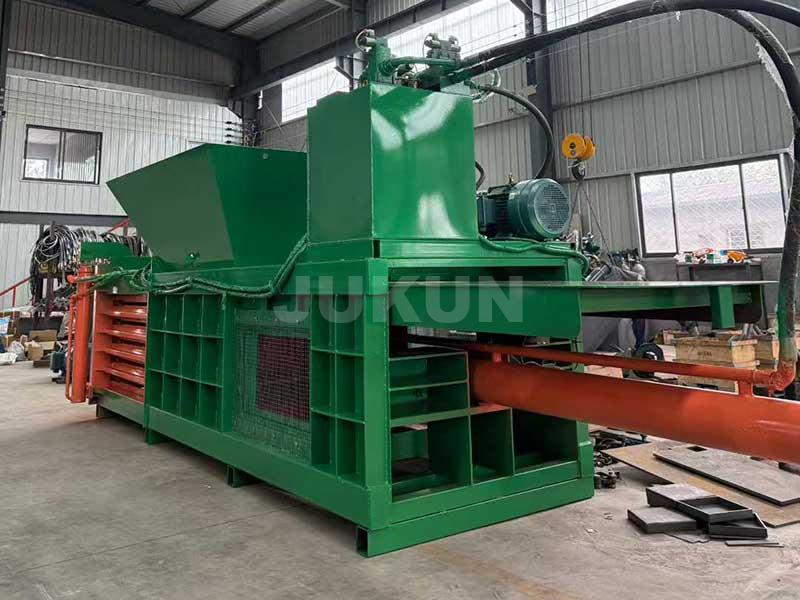
Toronto distributor Mark tripled dockyard capacity after implementing this solution.
Which Industries Use Horizontal Hydraulic Balers for Waste Recycling?
Newspaper accumulation buried our print shop exits twice monthly before baling. Industry-specific compression solves endemic waste challenges differently.
Core beneficiaries include e-commerce fulfillment centers baling cardboard waves, recycling facilities processing mixed streams, packaging plants managing trim waste, textile mills compacting fabric scraps, and municipality transfer stations processing curbside volumes continuously.
Beyond Recycling Centers
Three verticals with exceptional ROI:
E-commerce logistics revolutionized throughput. Automated sortation lines feed cardboard directly into balers - Winnipeg fulfillment center processes 3 pallets/hour into bales measuring 1.2m³ each. Freed 65% warehouse space became premium storage worth $9/sq ft monthly.
Printing industry scrap monetization. Paper trimmings compressed into standardized bales instead of loose piles - Ontario printer established new revenue stream selling pre-sorted material to recyclers efficiently. Bale consistency increased commodity value by 28%.
Municipal transfer stations optimized density. Single baler replaced three compactors at Edmonton facility - hauling frequency reduced from twice daily to weekly trips saving $13,500 monthly in transport fees dramatically. Bale stacking allows flexible scheduling during peak volumes.
How Do Horizontal Hydraulic Balers Improve Productivity in Different Industries?
Manual cardboard collapse required three-person teams - automated baling freed staff for revenue tasks. Hourly output became measurable.
They slash processing time (3-5 minutes per bale versus 15+ manually), reduce labor needs by 70% through continuous feeding systems, and reclaim valuable ground space by compacting materials into stackable 600kg cubes consistently.
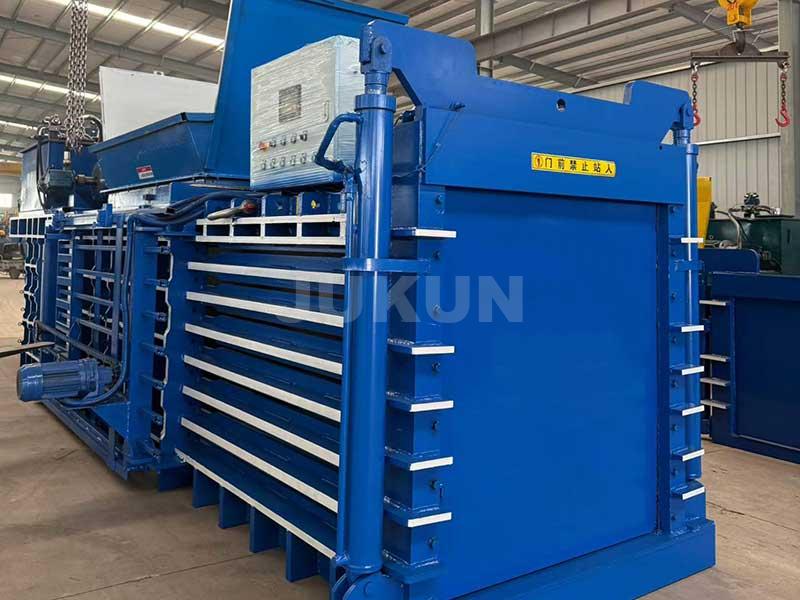
Productivity Enhancement Proof Points
Industry-specific efficiency leaps:
Textile mills addressed storage chaos. Fabric scraps compressed 6:1 vertically - Montreal factory stored 1,800kg in dock corner versus entire bay previously. Forklift movements reduced by 65% lowering equipment wear costs exponentially.
Food packaging plants solved contamination. Plastic film baling contained lightweight debris - Vancouver facility eliminated $7k daily in waste-related production stoppages after installation. Dedicated recycling chutes feed balers without interrupting packaging lines concurrently.
Distribution centers optimized floor space. Cardboard bales stack 4-high - Calgary auto parts hub converted former waste zone into mini-fulfillment center generating extra revenue streams immediately. Space analysis software confirmed 88% utilization improvement quarterly.
What Materials Can Horizontal Hydraulic Balers Process Across Industries?
Mis-baled foam caused explosive springback - sheared hydraulics cost us $14k. Material behavior dictates design adaptation crucially.
Effective materials include cardboard sheets (<25mm thickness), PET/HDPE plastic containers, textile cuttings, mixed paper grades (<9% moisture), non-ferrous metals, and film plastics - all requiring specific compression force and chamber features to prevent equipment stress.
Material Science Factors
Optimization requires consideration:
Compression resistance determines cycle programming. PET bottles require dual-stage compression using 200 tons force whereas cardboard compresses optimally at 90 tons - Quebec facility created presets for each material maximizing output while cutting energy consumption by 22% systematically.
Rebound coefficient affects chamber design. Foam packaging needs hydrosorb chambers preventing expansion - Ottawa installer added side pressure plates ensuring stable bale dimensions before strapping. Without this feature, plastic bales regain 18-30% volume during transport.
Contamination thresholds impact longevity. Metal fragments accelerate ram wear - Saskatchewan recyclers installed inlet conveyor magnets after costing $6,200 per ram replacement unnecessarily. Material audits before compression extend component lifespan dramatically.
How to Choose the Right Horizontal Hydraulic Baler for Your Industry?
Overbuilt baler consumed $30k extra unnecessarily. Precision industry matching delivered better ROI than premium branding alone.
Match machine specs to reality: verify daily waste volumes during peak season, measure available installation space, establish target bale dimensions matching pallet configurations, and require material-specific demonstrations proving throughput claims at suppliers' facility.
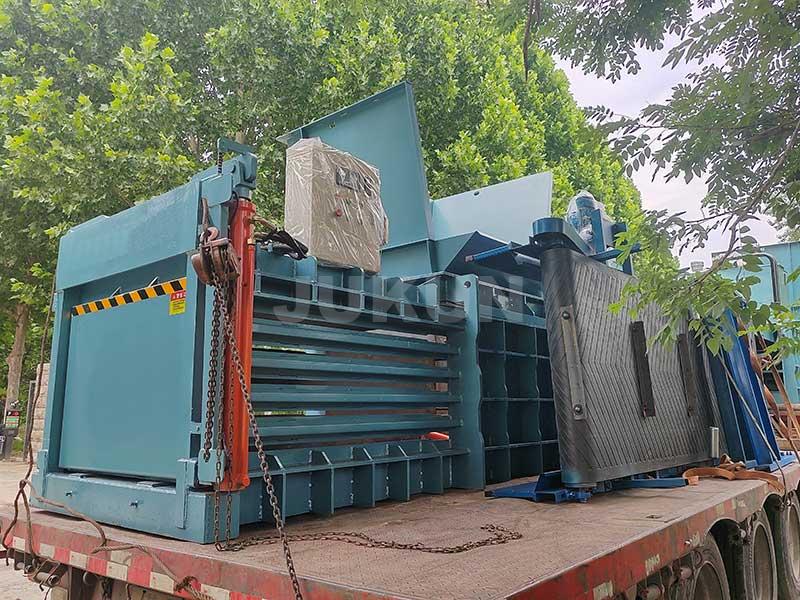
Industry-Customized Procurement Guide
Step-by-step implementation:
Phase 1: Audit real waste patterns. Monitor waste accumulation for three weeks including peak volumes - Winnipeg recycler discovered 40% variance from projections requiring capacity buffer adjustments during selection carefully.
Phase 2: Precisely measure constraints. Document ceiling height (≥6m for bale stacking), loading dock access clearance, and electricity capacity - Montreal installer encountered $18k retrofits when overlooking 480V requirement unexpectedly.
Phase 3: Test vendor claims practically. Require 8-hour continuous trial with actual materials - Alberta distribution center disqualified two suppliers whose automated tie systems failed during humidity changes despite specification sheet guarantees previously.
Conclusion
Maximizing industrial ROI requires matching baler capacity and engineering to specific waste streams - operational transformation emerges at this intersection strategically.