
Watching plastic bottles erupt from a poorly chosen baler cost us $1,200 in lost material - a mistake I'll never repeat. Alignment matters more than price tags daily.
The ideal baler depends on material behavior: horizontal auto-tie units optimize paper throughput at 70+ bales/hour, plastic requires dual-preloading chambers to combat rebound, while metal demands 250+ ton two-ram systems for densification integrity.
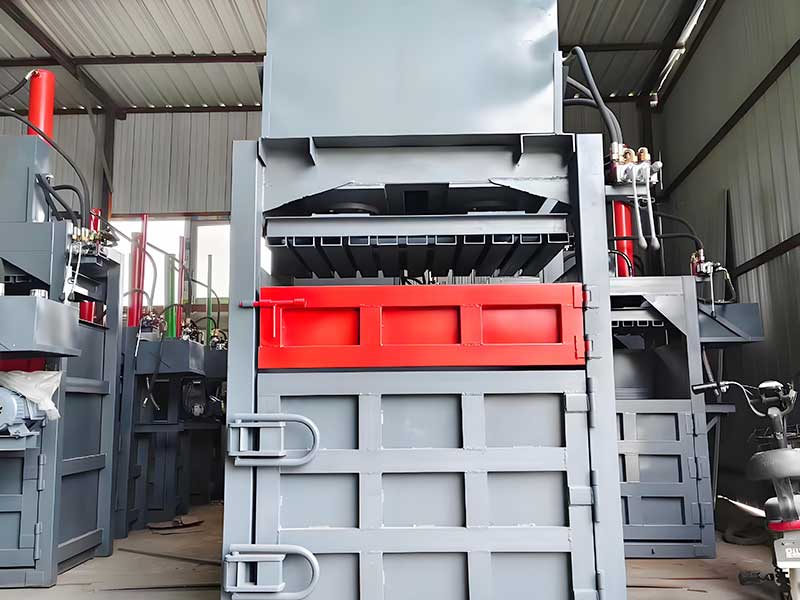
Discover how Winnipeg recycler Sam doubled output after switching configurations.
What Materials Can Hydraulic Balers Process in Recycling Operations?
Our attempt to bale foam insulation failed spectacularly - the springback bent chamber doors upward permanently. Material science governs success.
Balers effectively process cardboard, office paper, PET bottles, PP film, aluminum cans, tin scrap, and natural fibers - any material with inherent structural compressibility without liquid content. Selection requires assessing density, moisture, and rebound tendency methodically.
Beyond Basic Categories
Three critical material factors:
Moisture thresholds determine viability. Wet cardboard beyond 12% hydration causes hydraulic contamination - our Ontario facility installed material drying systems maintaining 8% levels to prevent seal damage and pump cavitation consistently.
Rebound coefficients dictate chamber design. HDPE flakes exert 22 psi expansion pressure - Quebec plant requires balers with post-compression clamps to maintain bale integrity through transport vibrations. Plastic processors without this feature suffer 30% volume regain.
Contamination limits impact longevity. Metal fragments in paper streams accelerate cylinder scoring - Edmonton operator installs magnetic separators before baling. Monitor contamination percentage during routine preventive maintenance.
Which Type of Hydraulic Baler Is Best for Paper Recycling?
Our manual-tie unit struggled beyond 3 tons/day - upgrading freed two workers for revenue tasks. Automation transforms paper economics.
For paper recycling, horizontal auto-tie balers perform best delivering 30-100 bales/hour through continuous feeding, programmable bale weight consistency (±4%), and automated strapping systems reducing labor costs by 75% significantly.
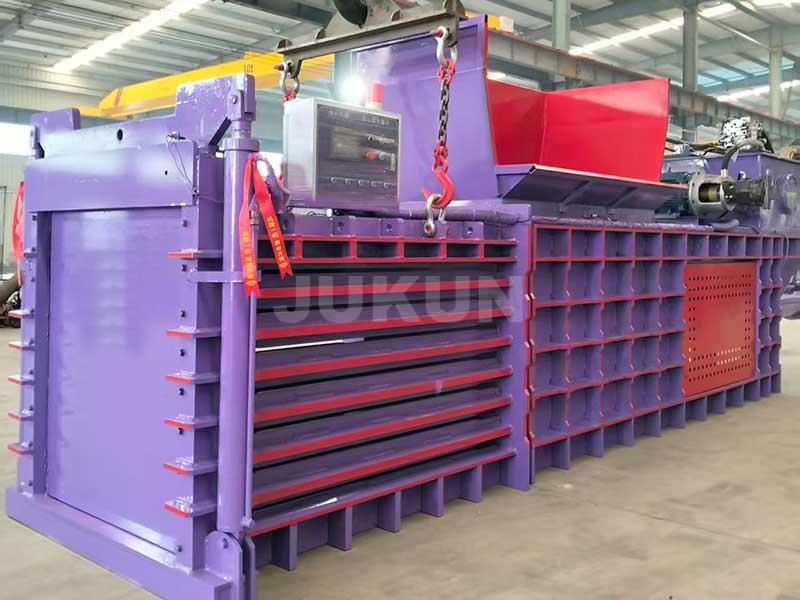
Paper-Specific Engineering
Three design imperatives:
Feed opening dimensions dictate efficiency. Cardboard requires 48"+ wide chambers - Winnipeg facility eliminated pre-cutting labor with oversized portals accepting pallet-sized sheets directly. Avoid modifications costing $8k post-installation.
Compression ratio impacts logistics. 6:1 density reduces transport costs 40% - Montreal plant measures bales by kg/m³ monthly. Target >550 kg/m³ for long-haul economics - below 480 kg/m³ triggers adjustment procedures.
Cycle timing governs throughput. Optimal sequences complete under 110 seconds - Saskatchewan recyclers achieve 30+ bales/hour through integrated conveyor synchronization. Verify PLC programming logic with simulation software pre-purchase.
Which Hydraulic Baler Is Best for Plastic and Metal Recycling?
Sheared mounting bolts during steel baling revealed structural deficiencies - metal demands specialized engineering beyond standard units.
Plastic recycling demands horizontal balers with pre-compression drawers and hydraulic hold-down systems to prevent rebound while metal recycling requires two-ram industrial balers featuring 200+ ton force, hardened steel frames, and impact-resistant valves for dense material processing reliably.
Specialized Solutions
Address material extremes:
Plastic anti-springback technology prevents volume loss. PET bottle bales require 10-minute compression cycles with pressure maintenance - Vancouver facility reduced expansion from 18% to 3% using dual-pressure hydraulics that switch from compaction force to holding force programmatically.
Metal structural demands necessitate reinforcement. Scrap baling exerts 3.8x vibration forces versus paper - our Toronto unit requires 45mm chamber walls instead of standard 20mm. Laser alignment checks during FAT prevent frame distortion during peak loads.
Safety integration prevents hazards. Metal fragment containment systems with interlocked doors became mandatory after Halifax incident. Balers automatically depressurize when access panels open - no compromises on emergency stops.
How to Choose the Right Hydraulic Baler for Your Recycling Business?
Overspending on unused automation wasted $42k annually. Correct sizing boosted our ROI from 18 to 40 months measurably.
Conduct throughput analysis using daily volume logs spanning peak seasons, validate hydraulic pressure stability through third-party reports, and demand material-specific demonstrations ensuring energy consumption stays under $1.20 per ton processed cost-effectively.

Procurement Framework
Follow progressively:
Step 1: Record real material metrics. Catalog moisture levels, daily tonnage fluctuations, and contamination percentages for six weeks - our Mississauga audit revealed 40% seasonal variance impacting machine requirements greatly.
Step 2: Test vendor claims practically. Require 8-hour material baling trials at their facility - Calgary team disqualified three "metal-ready" suppliers whose valves overheated within 90 minutes actually.
Step 3: Negotiate performance-based agreements. Include clauses guaranteeing bale density consistency (±5%) with payment deductions for deviation. Saskatchewan recyclers recovered $14k during first year due to contractual enforcement only.
Conclusion
Precision matching eliminates costly mismatches - your ideal baler emerges when material science and engineering parameters align seamlessly operationally.