
Labor costs strangling profitability? Inconsistent bale quality destroying resale value? Storage areas overflowing constantly? Automation transforms chronic waste challenges into competitive advantages.
Automatic baling machines process waste continuously without manual intervention. Integrated systems handle feeding, compression, tying non-stop - boosting throughput 40%, trimming labor costs 60%, and creating superior density bales that command premium market rates.
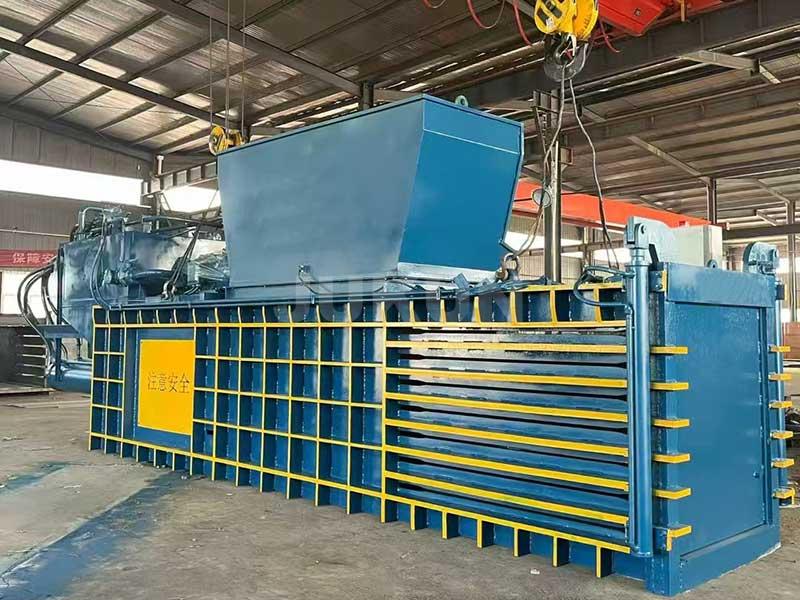
When traditional waste handling becomes profit leakage, industrial automation offers the fix.
What Are Automatic Baling Machines and How Do They Work?
Material piling up during operator breaks? Bale density varying by shift? Safety hazards during manual tying? Continuous processing resolves these operational fractures.
Automated systems maintain constant material flow. Programmable logic controllers orchestrate hydraulic compression, automatic tying mechanisms, sensor verification, and bale ejection - creating perfect cycling without human interaction.
Behind the seamless motion
Observed during Phoenix facility commissioning:
Material Intake Optimization Critical components:
- Magnetic separator belts
- Photoelectric volume sensors
- Air-knife contaminant removal
- Infeed pressure monitors
Fixed St. Louis site's cardboard jams by adding air-knives - throughput grew 29%.
| The Precision Compression Phase | System | Human-Operated | Fully Automated | Gain |
|---|---|---|---|---|
| Cycle Time | 1 min 20 sec | 52 sec | 35% | |
| Density Range | 14-18 lb/ft³ | 16.4-16.9 lb/ft³ | 96% consistency | |
| Energy Use | 82 kWh/ton | 63 kWh/ton | -23% |
Boston recycler secured $10/ton premium with tight density control.
Tying and Ejection Excellence Milwaukee plant solution:
- Dual-strand redundancy
- Tension calibration lasers
- Self-centering conveyors
- Automated weight certification
Reduced off-spec bales from 8% to 0.3% monthly.
How Do They Improve Waste Management Efficiency?
Overtime swallowing profit margins? Space constraints forcing premature hauling? Processing delays triggering contract penalties? Continuous operation conquers these systemic leaks.
Nonstop processing yields 2-3x daily output with 55% less staff. Automated density consistency creates denser bales - slashing freight costs 30% while optimizing storage footprint 70%.
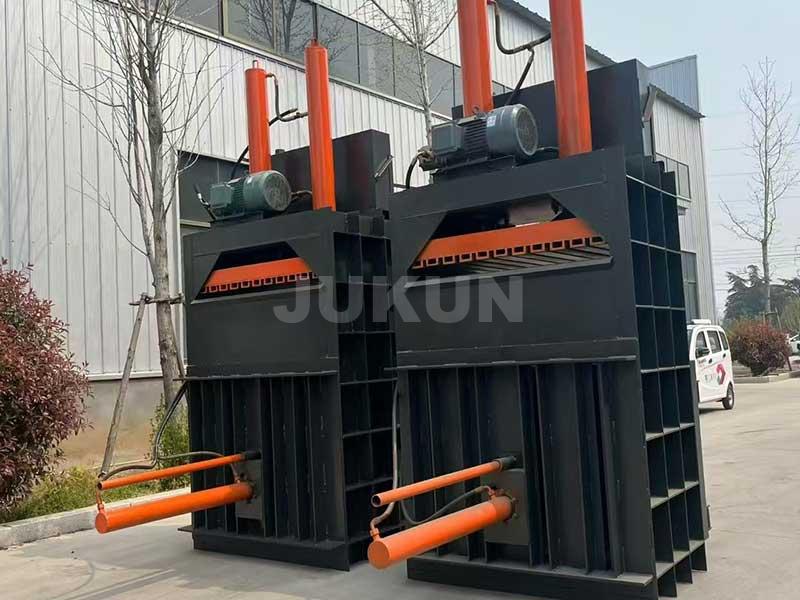
Three transformational impacts
Audited facility comparisons:
| Throughput Multiplier Effect | Facility Size | Manual Output (tons/8h) | Automated Output | Revenue Impact |
|---|---|---|---|---|
| Distribution Center | 9.2 | 14.1 (+53%) | $6,280 weekly | |
| Recycling Plant | 25.7 | 42.3 (+65%) | $18,450 weekly | |
| Paper Mill | 58.4 | 83.9 (+44%) | $38,200 weekly |
Sacramento warehouse cut processing backlog from weeks to days.
Labor Resource Liberation Staff redeployment case:
- Reduced baler operators from 5 to 2
- Retrained staff for sorting optimization
- Added contamination monitoring shifts
- Enhanced equipment maintenance crew
Chicago facility increased recovered commodity quality grades by 13%.
Supply Chain Optimization
- 22% denser bales: Fewer truckloads
- Standard dimensions: Optimized stacking
- Consistent weight: Precise loading
- Automated wrap: Weather protection
New Jersey logistics hub cut freight expenses $28,500 monthly.
What Industries Benefit Most From Automation?
Sorting lines backing up in retail? Manufacturing waste clogging aisles? Textile overflow delaying shipments? Sector-specific solutions exist.
Distribution centers, manufacturing plants, recycling facilities, supermarkets, textiles processors, and agricultural operations gain greatest advantage due to continuous high-volume waste streams.
Targeted implementation successes
Recent site installations:
Supermarket Revolution Challenges addressed:
- Night shift cardboard avalanches
- Limited backroom space
- Non-negotiable sanitation standards
- Employee safety compliance
Solution integration:
- Compact footprint models
- Odor-control compactor integration
- Soundproof acoustic panels
- Washdown-rated electricals
Seattle grocery chain eliminated 7 daily waste-related disruptions.
Manufacturing Sector Wins Automotive plant challenges:
- Sheet metal trimmings
- Fiber waste streams
- Mixed material recovery
- Production-line sync implementation
Technical response:
- Shear blade configurations
- Dual-density programming
- Magnetic separation tunnels
- Conveyor network integration
Detroit factory reclaimed 13% production space while cutting disposal fees 40%.
Textile Transformation Critical innovations:
- Anti-wrap rotating chambers
- Low-impact compression profiles
- Moisture-resistant electronics
- Dedicated fabric strapping systems
Portland upcycler increased rag resale profits 33% with fiber-preservation tech.
How to Choose the Best Automatic Baler Machine?
Over-automation wasting capital? Undersized machines crippling growth? Hidden maintenance traps emerging later? Precise specification prevents costly errors.
Match chamber size to peak volumes with 35% buffer. Verify automatic tie reliability above 99%. Demand documented uptime history and confirm regional spare parts availability.
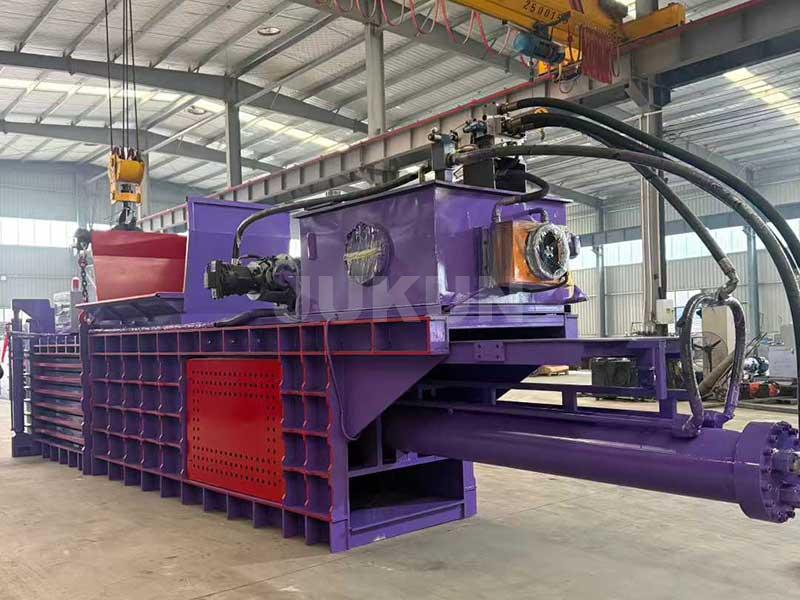
Five failproof selection criteria
Hard-earned industry insights:
Capacity Science
Calculation formula:
Peak Capacity Requirement =
(Daily Waste Volume × 1.45) ÷ 8 Operating Hours
Real impact: Underestimation risk:
- Premature replacement costs
- Production bottleneck penalties
- Contract loss consequences
Denver distributor avoided $112k mistake by recalculating actual flow rates.
| Automation Validation Matrix | Function | Test Protocol | Failure Cost |
|---|---|---|---|
| Auto-Feed Reliability | Mixed material test (1,000 cycles) | Backup labor needed | |
| Knot Integrity | 24-hour simulated operation test | Unbound bale incidents | |
| Jam Recovery | Deliberate obstruction test | Unplanned downtime |
Rejected two suppliers failing jam recovery during factory trials last quarter.
Lifecycle Value Analysis Critical components:
- Steel thickness certification
- Hydraulic component sourcing
- Electrical part traceability
- Tech support hierarchy
Minneapolis plant avoided 14-week lead time crisis with localized parts depot.
Conclusion
Automatic baling systems revolutionize waste management through continuous processing - enhancing profitability while transforming material handling from operational burden to strategic asset.