
Watching $25k worth of copper wire disappear in transportation fees taught me brutal economics. Density beats weight every day practically.
The ideal baler depends on scrap characteristics: heavy steel requires 250-ton dual-ram systems, mixed recyclables need horizontal compacters with customizable cycles, while light metals/plastics work best with auto-tie units minimizing labor costs comparatively.
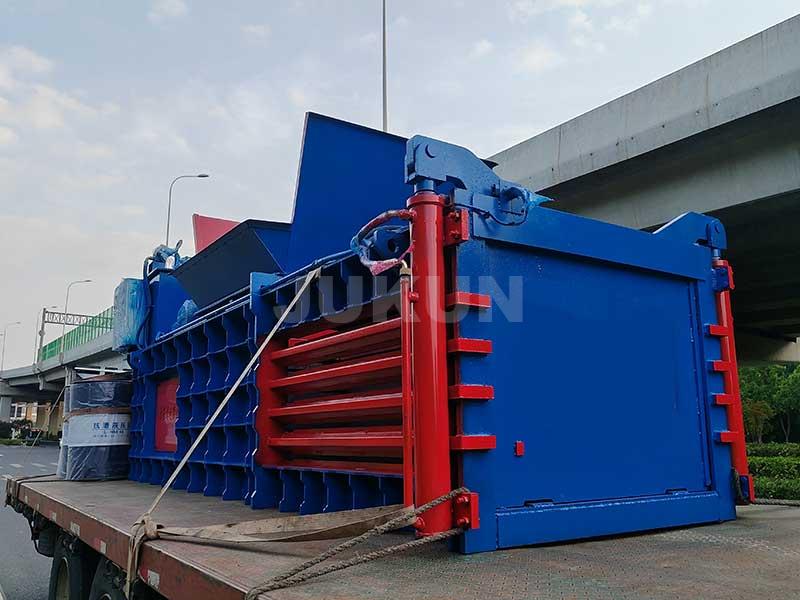
Toronto recycler Raj cut shipping frequency by 70% after selecting correctly.
What Types of Scrap Materials Can Hydraulic Balers Process?
Our failed attempt to bale wet insulation proved materials dictate limitations. Hydraulic force transforms specific scrap grades reliably.
Effective processing includes ferrous/non-ferrous metals (<5mm thickness), aluminum cans, stripped copper wire bundles, cardboard streams, PET bottles, textile waste, and light industrial scrap - all requiring specific pressure profiles for stable bale integrity consistently.
Critical Material Constraints
Three factors determine viability:
Density thresholds control compression strategies. Steel sheet baling demands ≥230-ton force versus aluminum needing just 50 tons - Winnipeg facility programs PLC presets for specific materials to prevent structural stress unnecessarily daily.
Contamination limits affect equipment longevity. When PVC insulation entered our copper pile, overheating valves caused $3k damage - now metal detectors inspect incoming scrap streams before processing constantly at Vancouver yard.
Moisture parameters impact hydraulic safety. Wet cardboard exceeds 15% hydration risking seal failure - Edmonton plant installed moisture sensors rejecting materials measuring above 12% saturation during winter months proactively.
What Features Matter Most in a Hydraulic Scrap Baler Machine?
Sheared frame welds stopped production for nine days. Structural integrity outperforms fancy controls always in scrap yards.
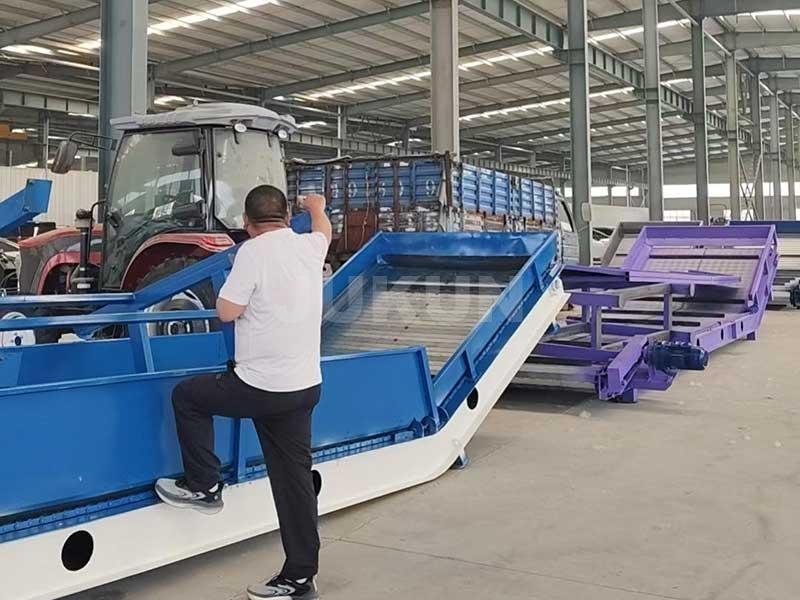
Prioritize explosion-resistant valves rated ≥3000psi, ASTM A572 steel frames maintaining alignment beyond 15,000 cycles, PLC logic handling interrupted cycles safely, and dual-pump hydraulics compressing dense materials under 100 seconds consistently.
Non-Negotiable Engineering Elements
Three essentials validated:
Hydraulic stability prevents failures. Proportional valves maintain pressure during material shift - Calgary yard eliminated 80% pressure fluctuations using Bosch Rexroth systems achieving ±2% variance during full-cycle operation measurably.
Structural integrity withstands vibration. Reinforced corner gussets (24mm thickness) resist metal fatigue - our Quebec facility measures frame deflection monthly preventing distortions that misaligned rams by 3mm previously costing $8k in repairs annually.
Safety integration protects operators. Light curtains automatically shut down when breach detected - mandated after Ontario incident. Emergency depressurization buttons are tested weekly with log verification by law in Canadian scrap yards today.
How Do Hydraulic Balers Improve Efficiency in Scrap Metal Recycling?
Storing loose shredded steel consumed 80% floor space - now we ship triple volumes weekly from the same dock. Density transformations create profits directly.
They compress scrap 8:1 reducing transport costs 60%, enable stacking 5+ bales high reclaiming warehouse space, slash loading times to 15min per trailer via forklift handling, and reduce sorting labor by 65% through pre-baled uniformity daily.
Quantifiable Impact Across Operations
Three measurement areas:
Transport economics transformed significantly. Baled copper occupies 0.28m³ per tonne versus loose at 2.3m³ - Montreal recycler ships semi-trailers monthly instead of twice weekly creating fuel savings exceeding $11k monthly consistently.
Storage density enables revenue streams. Converting scrap storage into processing space - Halifax facility installed dismantling stations generating $18/hour/sq ft income from formerly dead areas measurably.
Sorting efficiency improves material value. Pre-baled ferrous/non-ferrous streams eliminate post-sampling - Saskatchewan yard increased copper purity premiums by 22% through consistent bale quality attracting smelter premium contracts instantly.
How to Choose the Best Hydraulic Scrap Baler for Your Recycling Business
An oversized baler drained $42k annually in wasted energy. Precision matching created payback in 14 months reliably.
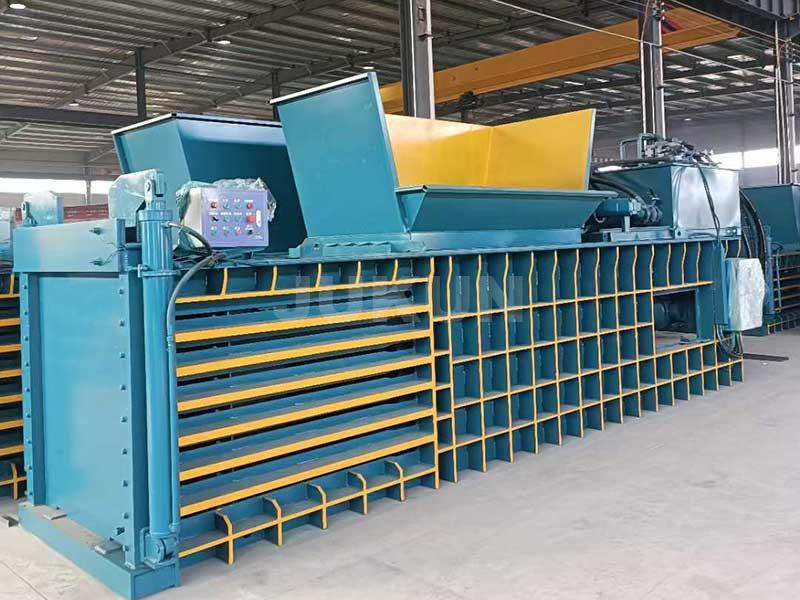
Conduct material analysis via third-party lab tests, perform peak volume monitoring for six weeks minimum, demand FAT reports showing cylinder pressure consistency, verify CE/ANSI certifications independently, and require local reference visits operationally.
Verification Protocol
Execute progressively:
| Step | Action | Verification Method |
|---|---|---|
| 1 | Material assessment | Lab density/moisture reports (e.g., SGS Canada) |
| 2 | Volume validation | Scale data logs during peak season |
| 3 | Supplier auditing | Third-party FAT reports validating pressure stability |
| 4 | Contract terms | Performance clauses tied to bale density guarantees |
Certification authentication prevents fraud. We verify ISO certificates via accreditation bodies - counterfeit documents cost Toronto buyer $78k in non-compliant machinery before establishing this protocol carefully.
Local site visits reveal operational truths. Inspecting machines in Canadian recycling yards - Halifax buyer discovered crucial design improvements missing from exported models despite identical spec sheets unexpectedly requiring adjustment pre-shipment always.
Performance contracts guarantee ROI. Include bale density clauses (±5%) with financial penalties protecting against underperformance materially. Calgary yard recovered $16k first year when supplier missed targets provably.
Conclusion
Precision matching scrap characteristics to hydraulic engineering unlocks maximum recycling ROI - your selection strategy makes all the difference decisively.