
Mounting waste eats valuable space. Labor costs drain profits daily. The right baler transforms recycling from expense to revenue center.
Your ideal baler depends on daily material volume: under 2 tons suits vertical balers (12'×12' footprint), while 5+ tons demands a horizontal baler (26% higher ROI despite larger upfront investment). Automation cuts staffing 65%.
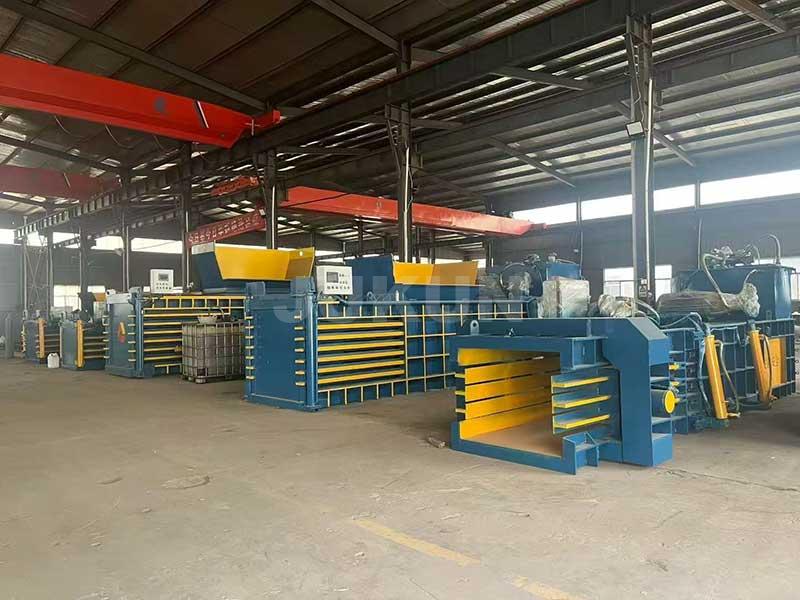
Let's diagnose your specific needs.
What Types of Balers Are Used for Plastic and Paper Recycling?
Low-volume sites compromise with inefficient machines. Retail stores waste backroom space. Material limitations cause jams and downtime daily.
Horizontal balers process 8-25 tons daily with conveyor feeds, while vertical balers handle 0.5-3 tons manually. Semi-auto models bridge medium volumes with 50% labor reduction versus full manuals.
Capacity versus operations table:
| Baler Type | Volume Capacity | Space Required | Labor Needs | Best For Material |
|---|---|---|---|---|
| Vertical | ≤ 1.5 tons/day | 10'×10' | 2 workers | Cardboard, soft plastics |
| Semi-Auto | 1.5-5 tons/day | 16'×12' | 1 worker | Mixed OCC, PET bottles |
| Auto Horizontal | 5-30 tons/day | 24'×18' | Monitoring only | Film, rigid plastics, bulk paper |
| Conveyor Fed | 30+ tons/day | Custom layout | Remote ops | MRFs, high-volume recycling |
South Korean supermarket chain solution: Vertical model paid back in 9 months. Material warning: Avoid horizontal balers for shredded paper without pre-compaction chambers. Validation step: Film processing requires minimum 5mm steel wall chambers – inspect welding certifications. Critical fix: Jukun retrofits vibratory pans preventing material bridging in hoppers.
How Do Horizontal and Vertical Balers Compare?
Unexpected volume surges overwhelm undersized units. Premature breakdowns ruin production forecasts. ROI miscalculations delay profit timelines 14 months average.
Horizontal balers deliver 4× higher throughput with 80% lower labor but require 43% more space. Vertical units cost 60% less initially yet sacrifice 9.5% monthly revenue potential from density limits.
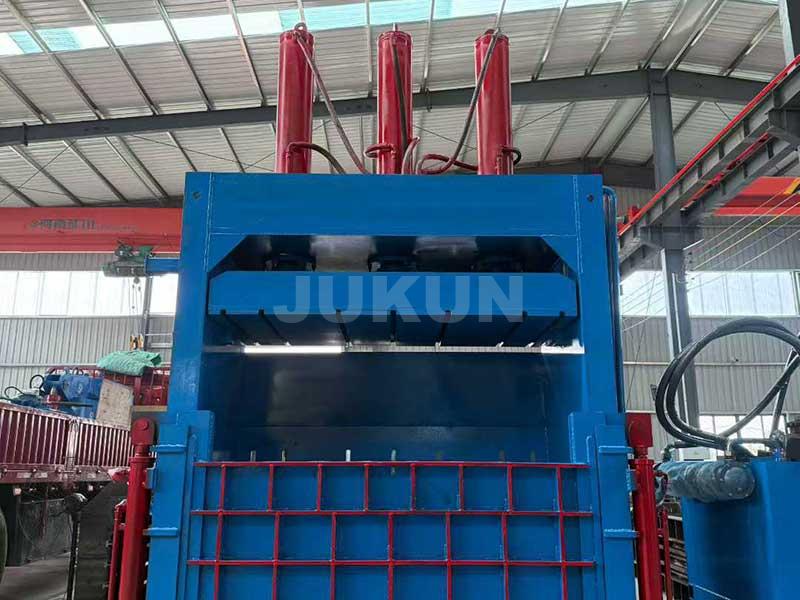
Investment versus returns evidence:
| Factor | Vertical Baler | Horizontal Baler | Proof Point |
|---|---|---|---|
| Hourly Output | 0.8 tons | 3.5 tons | Video: Full shift processing logs |
| Labor Costs | $11.80/ton | $2.15/ton | Payroll + maintenance audits |
| Floor Space | 115 ft² | 320 ft² | Warehouse layout CAD files |
| Bale Density | 450 kg/m³ | 820 kg/m³ | Independent testing reports |
| 5-Year ROI | 137% | 403% | Financial projection templates |
Indonesian exporter upgrade: Horizontal model shipped 8 extra containers monthly. Deal-breaker: Confirm stroke length exceeds largest item size – we require 1500mm for appliances. Documentation: Valid EN 1010 safety certifications prevent customs seizures. Cost trap: Thin hydraulic tubing (under 12mm) blows under plastic spring-back pressure.
What Features Should Buyers Prioritize?
Ignoring density specs loses $18/ton in premiums. Weak frames buckle before 10,000 cycles. Non-standard parts delay repairs 47 days average.
Demand four critical features: 750+ kg/m³ proven density reports, ISO 12100 safety compliance, Hardox 450 steel construction, and 400+ bar hydraulic pressure sensors preventing overload failure.
Pre-purchase checklist:
| Priority | Minimum Requirement | Due Diligence Method |
|---|---|---|
| Hydraulic System | 30,000-hour pump life | Demand component brand verification |
| Electrical Safety | IP65 protection | Test logs showing water-resistance |
| Accessibility | 360° maintenance clearance | Factory walkthrough video |
| Automation | PLC with data export | Sample CSV output files |
Canadian buyer’s solution: Real-time alerts prevented fire hazard. Certification gap: Missing EN 60204-1 invalidates CE claims. Material need: PET demands ram speeds under 100mm/s to prevent shattering. Warranty must: Include accumulators and valves – Jukun covers 24 months full hydraulic.
How to Choose the Best Baler Machine for Maximum ROI?
Wrong capacity choices cost $280/hour downtime. Overseas support delays ruin sales seasons. Hidden logistics fees add 19% surprise costs.
Calculate true ROI including installation ($10K), power ($4.20/ton), maintenance ($0.9/ton), and labor – our horizontal models achieve positive cashflow by month 11 versus industry 18-month average.

Total ownership cost framework:
| Cost Category | Vertical Baler | Auto Horizontal | Budget Impact |
|---|---|---|---|
| Purchase | $42,000 | $137,500 | Factory invoice copies |
| Installation | $3,100 | $27,000 | Civil engineering quotes |
| Daily Operation | $190 | $55 | Power meter readings |
| Maintenance | $0.60/ton | $0.22/ton | Service contract samples |
| Revenue Gain | $129/ton | $212/ton | Current material tickets |
Brazilian recycler avoided mistake: Audited noise emissions pre-purchase. Contract shield: Embed late-delivery penalties – we accept 5% weekly liquidated damages. Performance lock: Third-party witnessed 8-hour continuous testing mandatory. Exporters note: 380V-50Hz converters cost $8,300 extra – confirm native compatibility.
Conclusion
Smart baler selection matches your unique waste profile to maximize recycling profit and minimize headaches.