
Watching workers wrestle baling wires wastes precious minutes. Manual tying steals profit hour after hour. Auto-tie horizontal balers slash these losses immediately.
An auto-tie horizontal baler automates waste compression and tying. It reduces labor needs, speeds up processing, creates consistent bales, lowers operating costs, and boosts recycling output significantly. Efficiency improves through continuous operation.

Owners notice immediate improvements. But true transformation comes when we unpack how this automation changes everything.
What Is an Auto-Tie Horizontal Baler and How Does It Work?
Imagine hydraulic rams pausing empty while workers rush to tie. Production gaps destroy efficiency daily. Auto-tie systems erase these gaps.
This machine crushes materials horizontally and ties bales automatically. Waste enters near a hydraulic press, compresses into blocks, then wires or straps thread through auto-tie systems without worker involvement. Continuous processing eliminates manual interruptions.
The beauty lies in the synchronization:
- Cycle automation: No manual switching between compression and tying phases
- Wire feeding systems: Spools automatically thread through channels
- Tension control: Sensors maintain perfect wire tightness each cycle
- Ejection sequencing: Tied bales convey out without repositioning
We engineered a model for cardboard recyclers struggling with wire tension consistency. Our hydraulic-driven tying system achieves uniform tension on every bale. Result: stack stability improved 70%, preventing transport accidents. Synchronizing compression speed with tie-wire feed rates prevents material rebounds - especially critical for spongy textiles that need immediate securing after compression.
How Does Auto-Tie Technology Reduce Labor Requirements?
Paying three workers to tie one machine? Money vanishes daily through payroll. Auto-tie reclaims these sunk costs.
Auto-tie technology cuts labor by eliminating manual tying work. Workers shift from tying tasks to material handling or machine supervision. Fewer staff manage higher volumes efficiently. Staff reductions follow naturally.
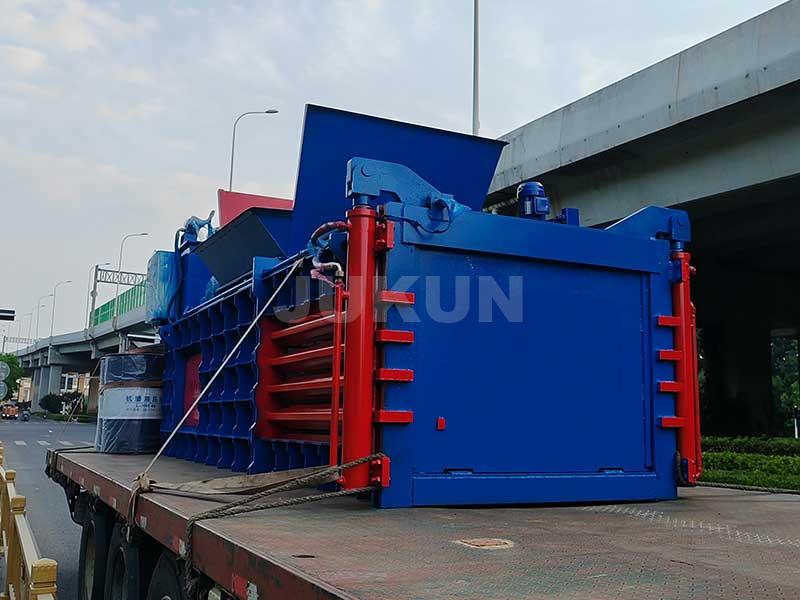
Labor reductions show differently across operations:
| Task | Manual Baler | Auto-Tie Baler | Savings |
|---|---|---|---|
| Tying per bale | 2 workers × 5 minutes | 0 workers × 0 minutes | 10 labor-minutes saved |
| Shift supervision | Dedicated operator | Shared oversight | 0.5 FTE reduction |
| Maintenance | Daily knot checks | Weekly system inspection | 70% less time |
| Production recording | Manual logs | Automated counters | Eliminated position |
A Toronto recycling center cut staff from 5 to 2 per shift with our auto-tie system. Workers now monitor conveyor feeds rather than fight wire tangles. Production doubled without new hires. Remember: cross-training operators prevents bottlenecks when materials change - plastic wrapping requires different feed rates than cardboard.
How Does Automatic Tying Improve Baler Productivity?
Note how manual tying makes balers wait. Machines sit idle while workers scramble. Each pause drains overall productivity.
Automatic tying maintains continuous workflow. Machines compress materials while tying finished bales simultaneously. Cycle times shorten, output increases, and consistent bale quality reduces rework. Productivity grows through uninterrupted processing.
The productivity equation includes hidden factors:
- Time savings: 45-second tie cycle replaces 3-minute manual effort
- Energy efficiency: Continuous operation avoids machine cool-down waste
- Bale consistency: Uniform density improves resale value by 5-12%
- Synchronized outputs: Balers match upstream processing speeds
We tested our model against manual systems processing PET bottles. Auto-tie processed 8 tons hourly versus 3.6 manual tons. Hydraulic pressure maintained stability throughout cycles. Monitoring compression consistency remains vital - irregular densities indicate maintenance issues like hydraulic leaks or valve malfunctions.
How to Choose the Best Auto-Tie Horizontal Baler?
Seeing buyers regret rushed purchases? Wrong automation level cripples profits. Careful selection prevents wasted investment.
Evaluate daily waste volumes first. Then match tying method to material types. Confirm hydraulic stability. Ensure control system simplicity. Verify service network responsiveness. Check certification authenticity before purchasing.
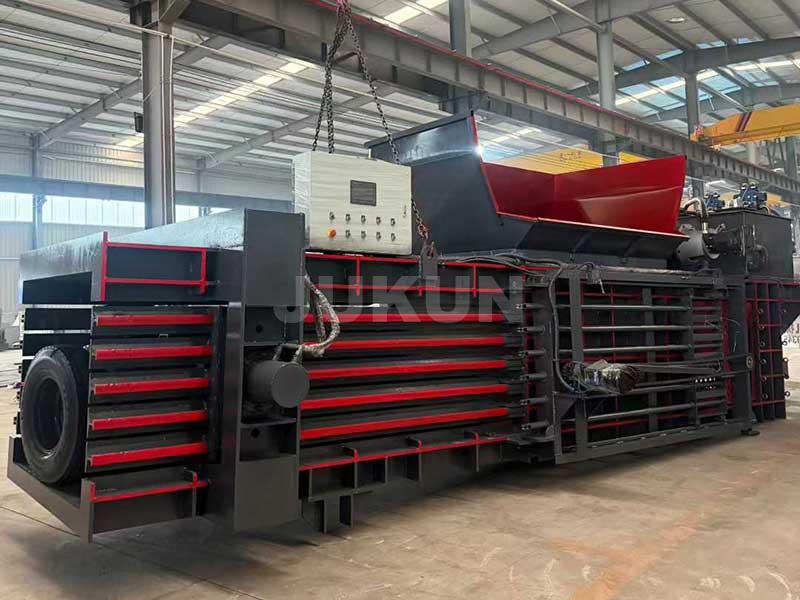
Four purchase traps cause lasting problems:
- Baling wire vs straps: Corrugated cardboard cuts straps; wires suit metals
- Hydraulic configurations: Standard rams struggle with dense aluminum scrap
- Control interfaces: Overly complex systems confuse operators
- Manufacturer validation: Always visit production facilities personally
One Canadian buyer avoided fake CE certificates by insisting on live video factory tours. Our machines show hydraulic pressure gauges during operation - a vital indicator for buyers. Baler sizing matters: oversized machines waste energy with partial loads; undersized models jam constantly. We provide material compaction video reports pre-shipment to prevent operational surprises.
Conclusion
Auto-tie horizontal balers[^1] transform recycling operations. They reduce labor, enhance productivity, and deliver consistent output. Choosing the right model maximizes your investment benefits.