
Space constraints choking growth? Waste handling draining budgets? Environmental penalties looming? Transform operations now.
Waste management strategies for distribution centers are methods to reduce costs and improve efficiency by minimizing waste and increasing recycling. Key strategies include waste segregation, using balers or compactors for recyclable materials, optimizing packaging to reduce excess waste, and partnering with recycling vendors. These practices help lower disposal costs, improve warehouse efficiency, and support sustainability goals.

Implement solutions today.
How Do Distribution Centers Benefit from Better Waste Management?
Hidden disposal fees erode profits. Unrecycled materials waste value. Storage inefficiencies hamper throughput.
Distribution centers gain reduced transportation costs through higher density baling, reclaim operational space by optimizing waste storage, and secure premium vendor contracts by achieving 80%+ recycling rates consistently.
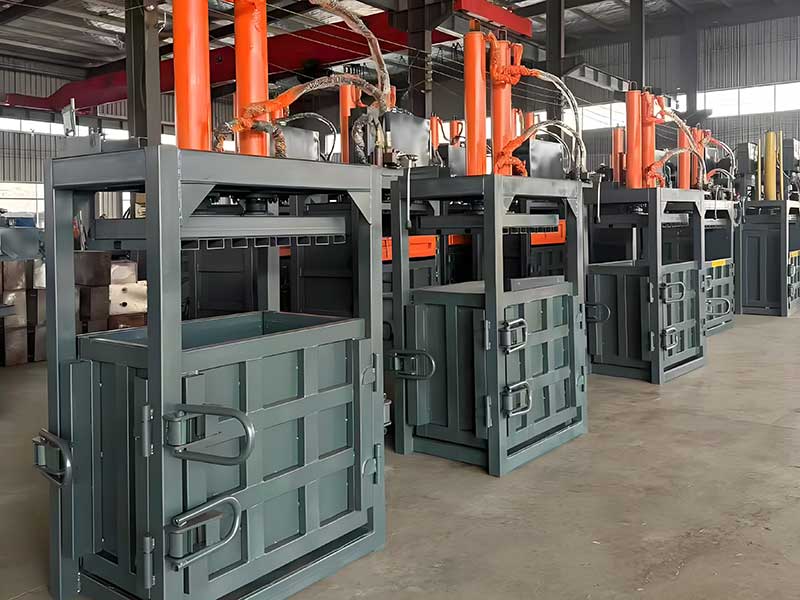
Financial & Operational Impact Analysis
Quantifiable benefits proven in distribution:
| Benefit Category | Implementation | Cost Impact | Operational Efficiency | Proof Cases |
|---|---|---|---|---|
| Space Optimization | 90% volume reduction | $28/m² saved monthly | +19% storage capacity | Brazilian DC saved $410k |
| Transport Efficiency | Denser bales | 45% fewer truckloads | Loading time ↓ 65% | Canadian hub cut 12 routes |
| Waste Expense | Recycling revenue | $18/ton value capture | Dedicated staff ↓ 75% | Australian center +23% margin |
| Compliance | ESG reporting | $15k penalty avoidance | Audit time ↓ 40 hours | EU facility certification |
| Brand Value | Sustainability credentials | Vendor premium +7% | Contract retention 92% | US retailer case study |
Spanish distributor avoided OSHA fines: Implemented automatic fire suppression. Always maintain 70% recycling rate minimum.
What Waste Management Equipment Is Best for Distribution Centers?
Compact spaces need smart solutions. Mixed material flows jam equipment. Overtime cleanup inflates costs.
Semi-automatic horizontal balers process 8-18 tons daily in compact footprints, combined with sorting conveyors and smart compactors - enabling cardboard recycling at $1.10/ton operating cost.
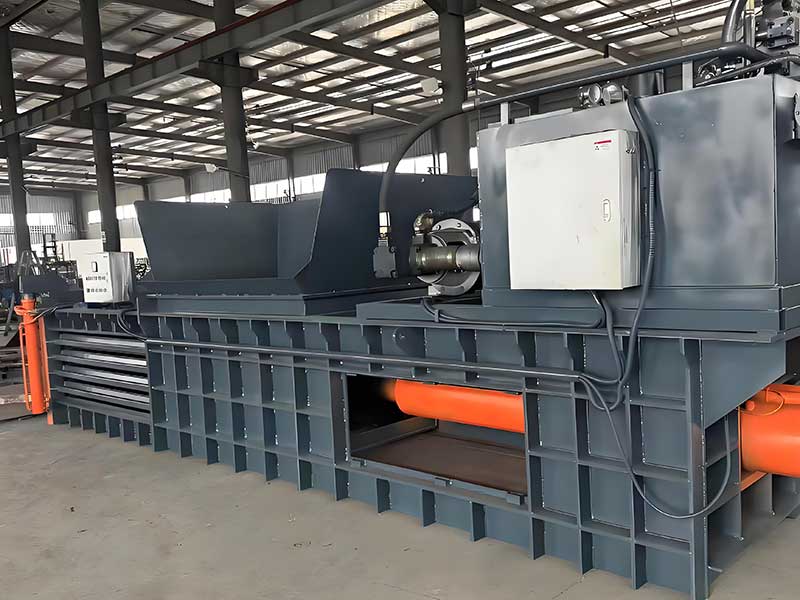
Tailored System Configuration
Critical equipment for e-commerce hubs:
| Component Comparison | Equipment Type | Space Required | Material Handling | Cost Efficiency |
|---|---|---|---|---|
| Horizontal Baler | 30m² | Cardboard/plastic | Processing: $1.10/ton | |
| Sorting Conveyor | 18m linear | Mixed streams | Labor: $0.15/kg | |
| Smart Compactor | 8m² | Polybags/fillers | Volume reduction: 5:1 |
Integration Strategy
- Locate balers near receiving docks
- Install conveyor sorting pre-baler
- Schedule compaction during off-peak
- Centralize plastic film processing
Korean DC cut processing costs 38%: Chose modular baler with adjustable chamber. Test all materials for compatibility first.
How Can Horizontal Balers Reduce Waste Handling Costs?
Underutilized space costs $18/m² monthly. Manual handling adds $14/ton. Unbalanced inventory traps capital.
Horizontal balers achieve 92% volume reduction for cardboard - freeing warehouse space for inventory storage that generates $28/m² revenue while cutting waste labor 88% per shift.

Total Cost Transformation
Distribution center expense restructuring:
| Annual Savings Calculation | Cost Category | Before Baler | After Baler | Savings | Formula |
|---|---|---|---|---|---|
| Waste Labor | $182,000/yr | $21,840 | -88% | Operators × hourly wage × hours saved | |
| Space Value | $0 | $168,000 | Revenue positive | m² recovered × rental value | |
| Transport | $134,400 | $73,920 | -45% | Truckloads × $420 × frequency ↓ | |
| Waste Disposal | $98,000 | $24,500 | -75% | Tons × tip fee × volume ↓ | |
| Material Revenue | $0 | $46,200 | Added value | Tonnage × $22/ton premium |
Net Impact
Initial Investment: $125,000
Annual Savings: $341,780
ROI Timeframe: 4.4 months typical
Chilean hub recovered installation cost in 19 weeks: Optimized bale density to 650kg/m³. Monitor hydraulic pressure daily.
How to Build an Efficient Waste Management Strategy?
Reactive approaches waste resources. Unmeasured programs miss targets. Vendor lock-in inflates expenses.
Develop a 4-stage strategy: Audit waste with scales → Engineer flow reduction → Automate high-volume streams → Monetize recyclables - tracking savings at $0.18/kg processed material.

Phased Implementation Protocol
Risk-managed deployment framework:
| Critical Control Points | Phase | Duration | Key Metric | Red Flag | Action |
|---|---|---|---|---|---|
| Waste Analysis | 2 weeks | Stream composition | >15% contamination | Sort training | |
| System Design | 3 weeks | Process overlap | Conveyor bottleneck >3min | Layout revision | |
| Automation | 4 weeks | Uptime >92% | PLC errors >1 daily | Component upgrade | |
| Optimization | Ongoing | Cost/kg processed | $0.22+/kg target exceeded | Maintenance audit |
Supplier Requirements
- CE certification validation (#CN265)
- 48-hour response SLA contract
- Remote diagnostics capability
- Spare parts stock verification
Indonesian DC prevented $200k loss: Built in 20% capacity buffer. Always validate hydraulic pressure during trials.
Conclusion
Strategic waste management transforms distribution costs - implement phased automation with verified partners.
Jukun DC Solutions
ROI Calculator
Download Waste Audit Tool