
Wrong choice wastes money. Space limits operations. Labor costs crush profits. Matching your needs prevents these losses.
Horizontal balers automate high-volume processing but require more space; vertical balers fit tight facilities for smaller operations - choose based on daily tonnage and workflow needs for maximum ROI.

Key differences broken down clearly.
What Are the Main Differences Between Vertical and Horizontal Scrap Metal Balers?
Vertical processing creates bottlenecks. Horizontal complexity scares buyers. Batch vs continuous operation confuses managers. Understanding design eliminates mistakes.
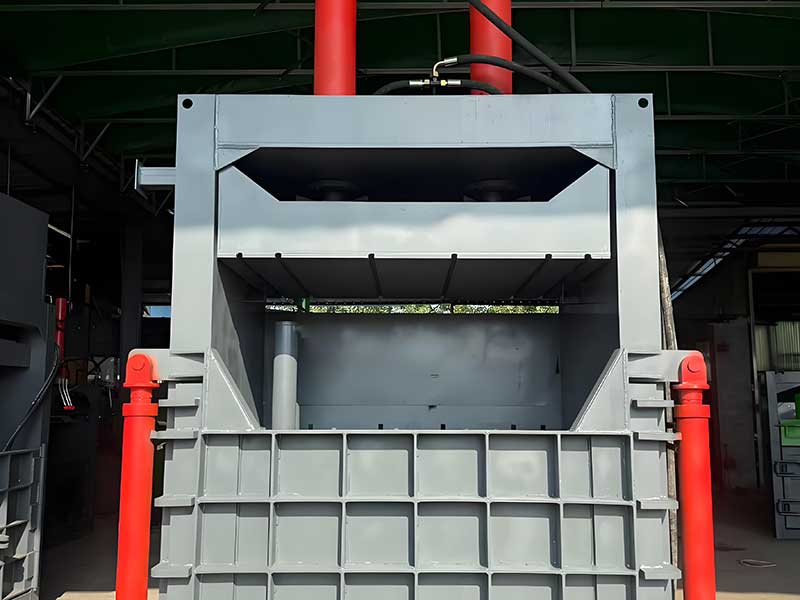
Vertical balers compress top-down manually, while horizontals squeeze materials sideways automatically - creating vastly different workflows for small shops vs large recycling plants.
Core contrasting features explained.
Design Comparison Table
| Feature | Vertical Balers | Horizontal Balers |
|---|---|---|
| Operation Mode | Batch processing | Continuous feed |
| Loading Method | Manual stacking | Conveyor/auto-feed |
| Typical Users | Small workshops, warehouses | Recycling centers, scrap yards |
| Operator Needed | 1-2 workers constantly | Occasional monitoring |
| Compression Direction | Top-down vertical ram | Sideways horizontal ram |
| Bale Ejection | Manual unloading | Automatic pushing system |
Ideal Application Matrix
| Business Size | Daily Volume | Best Fit | Reason |
|---|---|---|---|
| Startup/Workshop | <3 tons | Vertical | Minimal staff & space |
| Medium Recycling | 3-15 tons | Semi-auto Horizontal | Balanced automation |
| Large Scrap Yard | 15-50+ tons | Full-auto Horizontal | High throughput needed |
| Multi-Material Plant | Mixed | Custom Horizontal | Adaptable processing |
At Jukun:
- Free operation analysis
- Material testing services
- 3D layout simulations
- Throughput calculators
- Machine selector tool
Which Scrap Metal Baler Saves More Floor Space?
Machines block workflows. Awkward layouts waste steps. Space limits production. Strategic choice optimizes every meter.
Vertical balers use 40-60% less installation space but horizontal designs produce denser bales that save storage room long-term - balancing immediate vs ongoing space needs.
Floor utilization strategies.
Occupancy Metrics
| Metric | Vertical Baler | Horizontal Baler | Winner |
|---|---|---|---|
| Machine Footprint | 5×3 meters | 8×6 meters | Vertical |
| Operation Zone | 7×5 meters | 10×8 meters | Vertical |
| Bale Storage Density | 1.8 tons/m² | 3.5 tons/m² | Horizontal |
| Future Expansion | Requires replacement | Add-on modules | Horizontal |
Space-Saving Tactics
We recommend:
- Vertical when space <200m²
- Horizontal when volume >5 tons/day
- Modular add-ons for growing businesses
- Overhead conveyors to free floor space
- Multi-level compression systems
Implementation checklist:
- Measure operating zone dimensions
- Project bale storage requirements
- Map material flow paths
- Identify pinch points
- Simulate future layouts
How Do Productivity and Output Compare Between the Two Designs?
Slow systems miss deadlines. Labor shortages inflate costs. Unexpected downtime hurts profits. Right machines prevent these issues.
Horizontal balers process 3-5 times more material daily than vertical models thanks to automatic feeding - but require double the upfront investment initially.
Output analysis revealed.
Throughput Analysis
| Performance Measure | Vertical Baler | Horizontal Baler | Advantage |
|---|---|---|---|
| Typical Output | 2-5 tons/hour | 8-20 tons/hour | Horizontal |
| Operator Needs | Constant attention | Occasional checks | Horizontal |
| Bales Per Shift | 15-30 | 60-120 | Horizontal |
| Downtime Impact | Minor disruptions | Critical delays | Vertical |
| Automation Options | Basic | Advanced features | Horizontal |
Labor Efficiency Strategies
| Staff Size | Vertical Output | Horizontal Output | Cost/Ton Saved |
|---|---|---|---|
| 1 Worker | 3.2 tons/day | 24 tons/day | $18.50 saved |
| 2 Workers | 4.8 tons/day | 38 tons/day | $27.30 saved |
| 3 Workers | 5.1 tons/day | 45 tons/day | $33.80 saved |
Jukur performance solutions:
- Auto-cycle optimization
- Remote maintenance alerts
- Shift performance tracking
- Energy-recovery hydraulics
- Output calculator
Which Scrap Metal Baler Delivers Better Long-Term Value?
Cheap machines triple costs. Hidden inefficiencies eat profits. Wrong-sizing leads to reinvestment. Proper matching secures returns.
Vertical units deliver faster 6-12 month payback for small volumes, while horizontals provide lower per-ton costs over 5+ years - select based on your growth timeline and tonnage.

Cost timeline breakdown.
5-Year Cost Analysis
| Expense Type | Vertical Baler | Horizontal Baler | Best Value When |
|---|---|---|---|
| Initial Cost | $45K-$95K | $155K-$425K | Vertical for startups |
| Labor/Ton | $38.50 | $9.20 | Horizontal >5 tons/day |
| Maintenance | $6K/year | $14K/year | Vertical wins here |
| Resale Value | 25% original | 55% original | Horizontal holds value |
| Cost Per Ton | $42.30 | $18.70 | Horizontal long-term |
Purchase Verification Protocol
- Volume Validation: Track real daily volumes
- Growth Forecast: Project 3-5 year needs
- TCO Modeling: Calculate 5-year costs
- Supplier Audit: Check manufacturing quality
- Test Operation: Run sample materials
Jukun value guarantees:
- 5-year structural warranty
- Performance bonds
- Free efficiency audits
- Resale value protection
- Cost analysis template
Conclusion
Vertical balers save space for small operations; horizontal models boost productivity long-term - match design to your volume, budget, and growth plan.