
Space and budget limited? Productivity plateauing? Growth plans stalling? Fix it now.
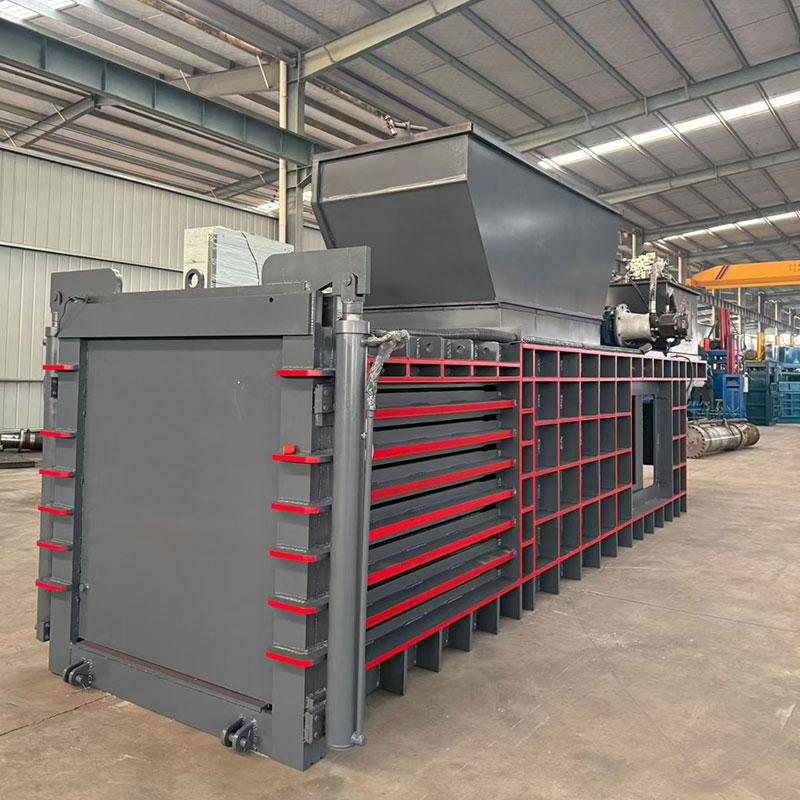
Vertical balers compress material downward with manual loading, ideal for under 5 tons/day, while horizontal balers push material sideways with conveyor feeding for 5-40 tons/day operations - automation dictates labor savings.
Make the right choice today.
How Do Vertical and Horizontal Balers Work?
Material jams halt production. Unsafe ejection risks injuries. Pressure drops ruin density.
Vertical balers load from top/bottom, compress vertically with 10-60T force, then require manual tie/eject. Horizontal balers feed via conveyor, compress horizontally at 50-200T, auto-tie/eject bales.
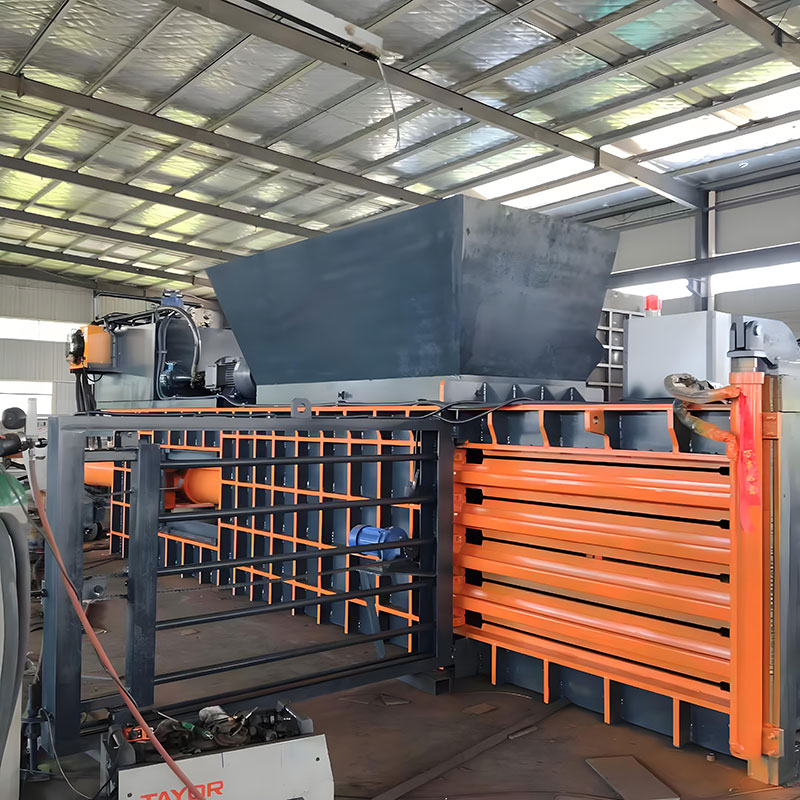
Operational Breakdown
Key distinctions shaping performance:
| Function | Vertical Baler | Horizontal Baler | Efficiency Gap |
|---|---|---|---|
| Loading | Manual top/side | Conveyor feed | 5x faster input |
| Compression | Vertical stroke | Horizontal piston | 2.6x more bales/hour |
| Bale Tying | Manual wire | Auto sensors/tiers | 15 minutes saved/bale |
| Discharge | Manual removal | Pushed onto conveyor | 83% labor reduction |
| Downtime | Operator dependent | Continuous operation | 40% higher uptime |
Canadian recycler doubled output: Switched to horizontal automation. Tip: Vertical balers max at 3 tons/hour - check required throughput first.
What Are the Advantages of Vertical Balers?
Large footprints waste rent. Overpowered machines drain budgets. Complex training delays start.
Vertical balers cost 60% less than horizontal models, require minimal maintenance at $0.08/kg processed, and free up 50% production space - perfect for 1-5 tons/day operations.

Budget Efficiency Analysis
Three compelling vertical baler strengths:
| Space Optimization | Facility Size | Square Meters Saved | Case Proof |
|---|---|---|---|
| Supermarkets | 4-7m² | UK retailer saved $18k/year rent | |
| Print Shops | 3-5m² | Melbourne shop gained workspace | |
| Warehouses | 6-10m² | Chicago center optimized aisles |
| Cost-Saving Factors | Element | Vertical Baler | Horizontal Baler | Savings |
|---|---|---|---|---|
| Buy Price | $28k-$45k | $85k-$240k | 67%↓ | |
| Installation | 1 day | 3-5 days | $1,900 saved | |
| Energy Use | 7.5kWh/ton | 12kWh/ton | 38%↓ |
Japanese hotel cut equipment cost $47k: Chose vertical for consistency. Avoid overspending.
What Are the Benefits of Horizontal Balers?
Manual loading limits output. Staff shortages spike overtime. Production ceilings cap profits.
Horizontal balers process 10-25 tons/day continuously, reduce labor 85% through automation, increase bale density 30%, and achieve ROI faster at scale.
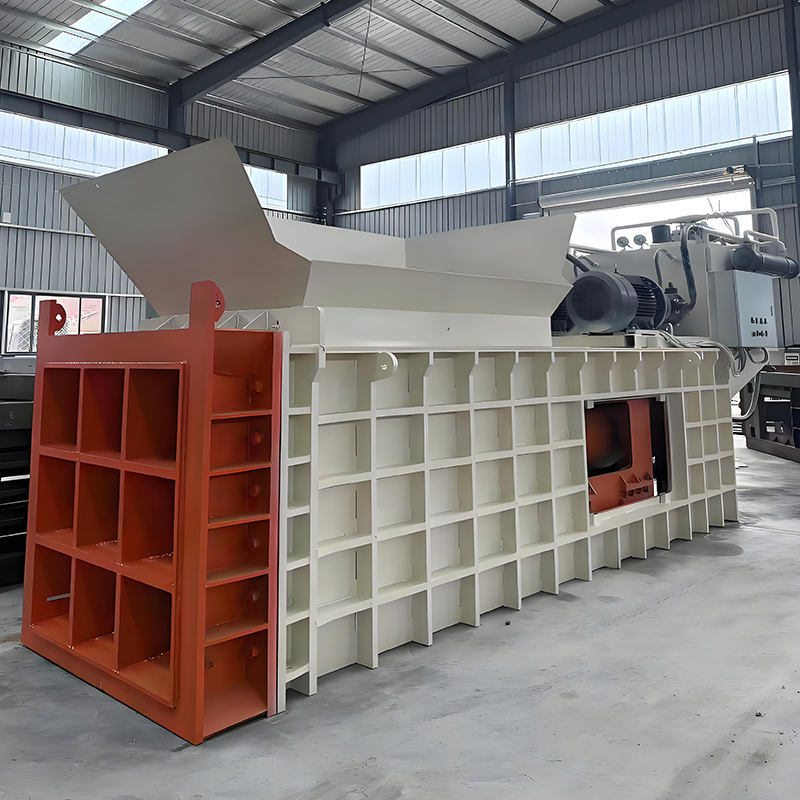
Scaling Advantages Breakdown
Key horizontal baler impacts:
| Labor Transformation | Operation | Vertical Staff | Horizontal Staff | Reduction |
|---|---|---|---|---|
| Loading | 3 full-time | 0.5 full-time | 83%↓ | |
| Tying | 2 hours/shift | 20 minutes | 67%↓ | |
| Cleaning | 60 minutes | 15 minutes | 75%↓ |
| Profit Acceleration Factors | Metric | Vertical Baler | Horizontal Baler | Advantage |
|---|---|---|---|---|
| Daily Throughput | Max 5 tons | 40+ tons | 8x capacity | |
| Bale Value | $130/ton | $170/ton | 30%↑ | |
| ROI Period | 22 months | 14 months | Faster returns | |
| Error Rate | 12% rejection | <3% rejection | 75%↓ |
Mexican recycler added $310k profit: Horizontal automation increased scale.
Which Baler Is Best for Your Business?
Unused capacity wastes $28k/year. Wrong choice cuts growth. Installation errors delay income.
Match baler to needs: Vertical for under 5T/day in compact spaces ($45k budget). Horizontal for over 5T/day needing automation and scale ($85k+ budget).

Business Alignment Protocol
Three decisive selection filters:
| Volume Checklist | Daily Tonnage | Baler Type | Reasoning | Average Cost |
|---|---|---|---|---|
| 1-5 tons | Vertical | Cost/profit balance | $38,000 | |
| 5-15 tons | Semi-Auto Horizontal | Automation starting | $66,000 | |
| 15-40 tons | Fully Auto Horizontal | Consistent high yield | $120,000 | |
| 40+ tons | Conveyor Line | Industrial processing | $190,000+ |
| Growth Planning Table | Future Goal | Ideal Baler | Planning Advice |
|---|---|---|---|
| Expand 20% | Horizontal | Pre-buy capacity | |
| Cost control | Vertical | Avoid over-spec | |
| Labor cuts | Smart Horizontal | Auto loading/tying |
Verification Steps
- Weigh weekly waste (current + 20% growth)
- Calculate current labor expenditure
- Map warehouse space constraints
- Request material testing
German auto plant avoided $140k mistake: Factored future expansion first. Demand trial bales.
Conclusion
Choose vertical for compact needs, horizontal for scale - verify requirements rigorously.
Jukun Baler Selection
Live Demo
Download Decision Checklist